
Reviewed · WORKSHOPS
Dublin: Forge a Silver Ring Workshop on Drury Street
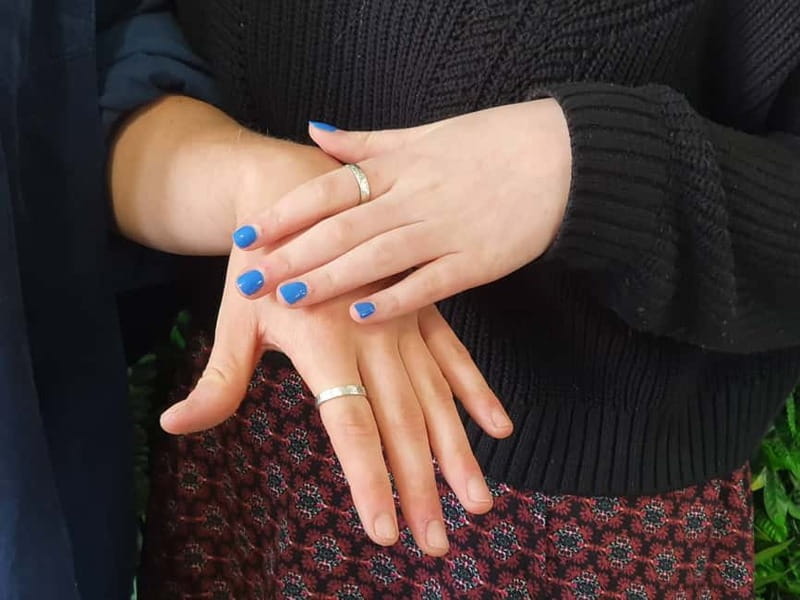
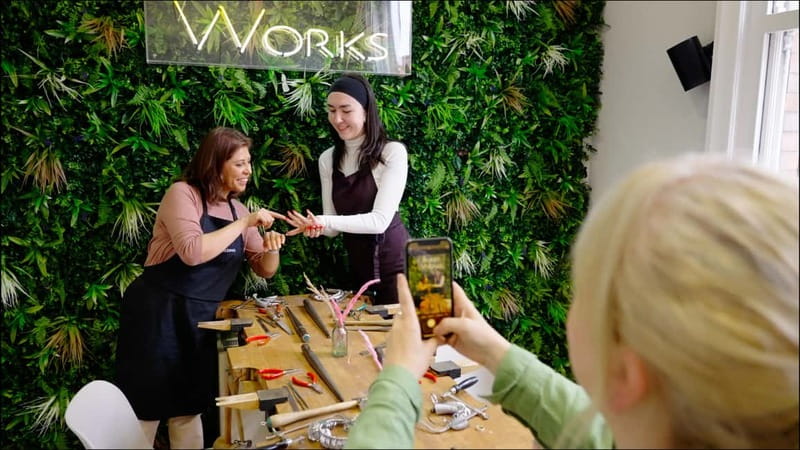
A Dublin workshop where you forge your own sterling silver ring is interesting because you start with raw metal and end with a wearable souvenir you made yourself. It is hands-on, creative, and very tactile, with the kind of coaching you can actually use. On Drury Street, tutors like Audrey and Sinead have helped people turn a simple strip of silver into something personal.
What I like most is the step-by-step forging process, from cutting your band to shaping it and finishing the surface. Second, you get a real sense of achievement because you leave with a finished ring that looks like it belongs in a jewelry box, not a craft bin. Tea, coffee, and snacks also help make it feel like a proper experience, not a rushed class.
One possible drawback to plan around is physical access: the studios have steep stairs and the workshop is not suitable for wheelchair users. If mobility is a concern, you’ll want to think about that before booking.
Key things to know before you book
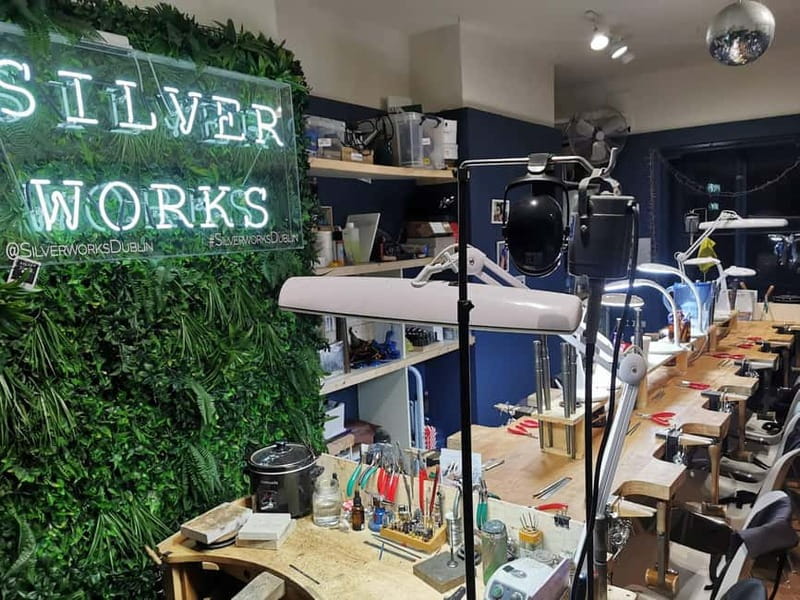
- Sterling silver ring from scratch: You cut, shape, solder, file, texture, and polish your own band.
- Personalize as you go: Pick the finger, choose the curve, then select from three texture options.
- Two-location setup near each other: Drury Street is the booking base, but some sessions shift to Georges Street.
- Finish choices matter: You’ll select your polish to get the look you want, often shiny or matte-style.
- Clear help during the hands-on steps: Expect close guidance through tools you may never have used before.
- Not built for wheelchair access: Steep stairs in both studios mean you need stairs-friendly mobility.
Forging a sterling silver ring on Drury Street, the Dublin souvenir that you actually make
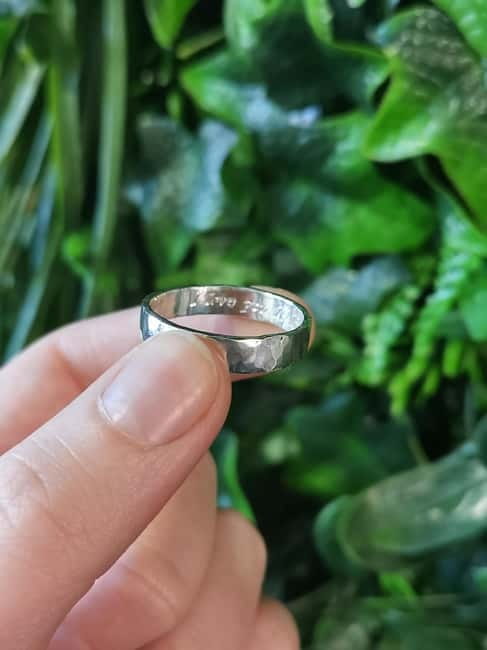
If you want a Dublin memory that is more than a photo, this ring-making workshop is a strong pick. You get 2 hours to work with metal using real techniques, guided by an expert tutor. The vibe is part craft studio, part “watch your idea become real,” and that is exactly why it feels special.
The workshop is built around one simple goal: create a personalized sterling silver ring you can take home. That means you choose key details, not just watch someone else do the work. I also like that it is practical. You are not learning vague history. You are learning how to mark, cut, shape, solder, file, texture, and polish, in the span of a short session.
Now, let’s talk about the real value. Yes, you pay for the experience, and yes, price is not tiny. But you are paying for the silver ring plus expert instruction plus a guided use of tools and techniques you normally would not try on your own. In other words, the cost maps to a tangible outcome. You leave with something you can wear, show, and use, not just a certificate.
More hands-on workshops in Dublin:
- Dublin: Irish Music and Dance Show with Dance Lesson
★ 4.7 · 567 reviews - Dublin: Jameson Distillery Whiskey Blending Class
★ 4.8 · 113 reviews - Irish Craic & Cuisine: Cooking Class & Dinner in Central Dublin
★ 5.0 · 80 reviews
The 2-hour flow: what you do from first minute to the finished ring
The class is designed to move steadily, with each step setting up the next. Your tutor guides the whole chain so you are not guessing what to do when metal gets warm, edges get sharp, or your ring starts to take shape.
Here’s the flow you should expect, in plain English:
1) Choose how your ring will fit your hand
You start by marking your silver to the length you require. The workshop has you choose which finger you want it on. That choice matters because ring sizing is not just a number, it is the feel and proportions of the band for your hand.
2) Cut the silver to size
Once your silver is marked, you use a handsaw to cut it to length. This is one of those steps that feels surprisingly doable, as long as you follow the tutor’s guidance and go slow.
3) Shape it on a ring mandrel
Next comes forming the band into a ring using a mallet to shape it into the ring mandrel. This is where you go from flat strip to a real hoop. If you like hands-on making, this part is the payoff.
4) Solder with expert guidance
Your tutor shows you how the ring is soldered. Soldering is often the scariest word in metalwork, but in a guided workshop it becomes a controlled step, not a mystery.
5) File, refine, and decide the curve
After soldering, you learn to file the ring using different hand files. Filing is where the ring stops looking rough and starts looking clean. You also personalize the ring shape by deciding what curve you want. That curve choice can change the way the finished ring sits and looks.
6) Pick your texture with a planishing hammer
Then you choose from three very different textures. You use a planishing hammer to get the texture you want. This step is where your ring stops looking like a generic band and starts looking like your design.
7) Finish with your polish choice
Finally, you select your polish to finish off the ring. That last decision is what controls the final look. If you want it crisp and reflective, choose a shiny finish. If you prefer softer contrast, go for a matte-style look where available.
By the end of the 2 hours, you are not just taking home a metal object. You are taking home a story, because you can point to each stage you worked through.
From choosing your finger to cutting the band: the step that makes everything easier
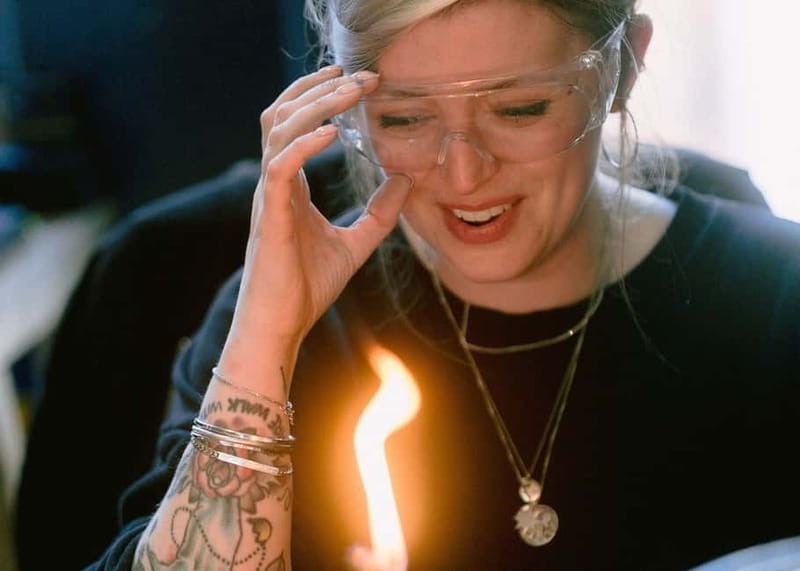
Most souvenirs in Dublin are one-and-done. You buy it and move on. This one is different because it starts with sizing choices you make immediately.
When you mark the silver to the length you require, the tutor has you tie the measurement to the finger you want the ring on. That reduces guesswork later. It is also a small mental trick: once you pick your finger, your brain stops thinking about a “class ring” and starts thinking about your actual ring.
Then you cut the silver with the handsaw. It sounds simple, but it is a real skill moment. Cutting straight matters, and your tutor’s role is to keep you from wobbling into a shape that takes extra filing time.
A practical tip: if you are unsure about ring sizing, bring a ring you already wear on that hand (if you have one). The workshop data does not promise sizing checks like a jeweler would, but comparing to what you wear can help you choose confidently at the start.
Shaping and soldering: where your ring goes from flat metal to a real band
The workshop’s middle steps are where the experience becomes dramatic, in the best way. Shaping on the ring mandrel with a mallet is the moment you see your band become circular. That physical transformation is motivating, and it makes the class feel like you are building something, not just completing tasks.
Then comes soldering. The tutor does this with you and guides the process. You are not left to wing it with guesswork. In a well-run workshop, soldering is all about timing and technique, not bravery. If you have never worked with metal before, this is exactly the kind of step you want to do with an expert beside you.
What I like here is how the class demystifies the process. You learn that the techniques have logic: shape first, join carefully, then refine. That makes the whole thing feel less like a craft fear and more like a sequence you can follow.
Same city, a different sort of day out:
- Dublin to Cliffs of Moher, including Wild Atlantic Way and Galway
★ 5.0 · 23,331 reviews - From Dublin: Cliffs of Moher, Burren & Galway City Day Tour
★ 4.8 · 18,888 reviews - Dublin: Guinness Storehouse Entry Ticket
★ 4.6 · 16,863 reviews - Dublin to Cliffs of Moher, Burren, Wild Atlantic Way, Galway Tour
★ 5.0 · 12,924 reviews
Filing, curves, and getting the ring to feel right
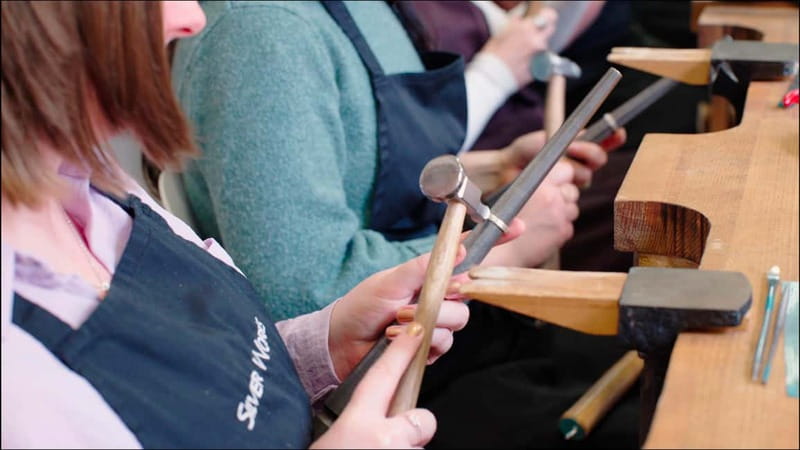
After soldering, the ring probably needs refinement. That is where filing comes in. You learn to file it using different hand files, which is useful because not all filing is the same. Different files do different jobs, so your ring surface becomes smooth and even step by step.
Then you personalize the feel with the curve you choose. This might sound like a small aesthetic decision, but it affects comfort and appearance. A subtle curve changes how the ring catches light and how it sits against your finger.
This is also a good time to slow down mentally. Filing can be meditative when you focus on consistency. If you rush, the ring might show uneven spots. So treat this stage like quality control, not just finishing work.
Textures and polish: turning your ring into a design, not a copy
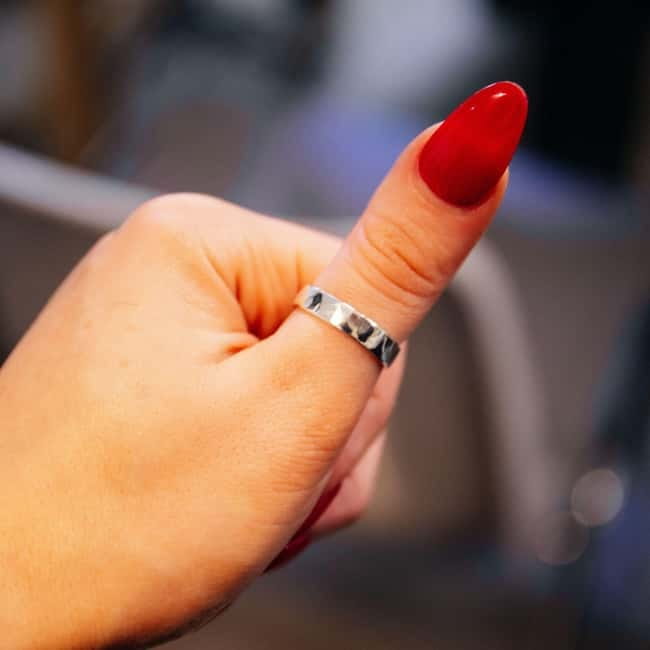
Here is where you get creative in a structured way. You choose from three different textures and then use the planishing hammer to build that surface pattern. Because the texture options are distinctly different, you can end up with a ring that looks intentionally designed even if you feel new to metalwork.
After textures, you finish by selecting your polish. The polish choice controls the final vibe. Many people like shiny for maximum sparkle, while a matte-style finish can look more modern and understated. Either choice works, and both make your ring feel like a real piece of jewelry, not a handmade prototype.
If you want an extra personal touch, ask your tutor about options like engraving. In similar classes, participants have added personal details such as names or dates. The workshop data does not list engraving as a guaranteed step, but your tutor can usually tell you what’s feasible once you see where your ring stands in the finishing stage.
Drury Street versus Georges Street: how to not get flustered
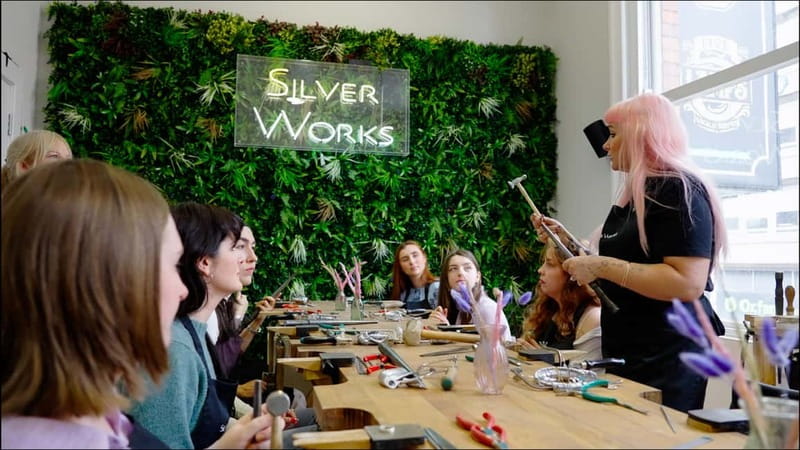
Location is part of the charm here, but it also means you should plan for a small logistical curve.
Your booking is for the Drury Street location, but not all workshops are held there. Sometimes the class is moved to a second studio just a 2-minute walk away on Georges Street, at 4 South Great Georges Street, D02NR59.
You should expect a message the day before your workshop telling you which location your session uses. That’s the key action item: check your message and map it to your walking route the day before.
Timing matters too. You should leave plenty of time to arrive 10 minutes before your class start time. The workshop cannot accept late attendees beyond 10 minutes after the class has started. So if you are coming from the airport, give yourself extra buffer because the workshop does not include transfers.
The good news: since the two locations are close, you are not dealing with a whole commute change. You are dealing with a short walk adjustment.
Price and value at about $98: what you are really paying for
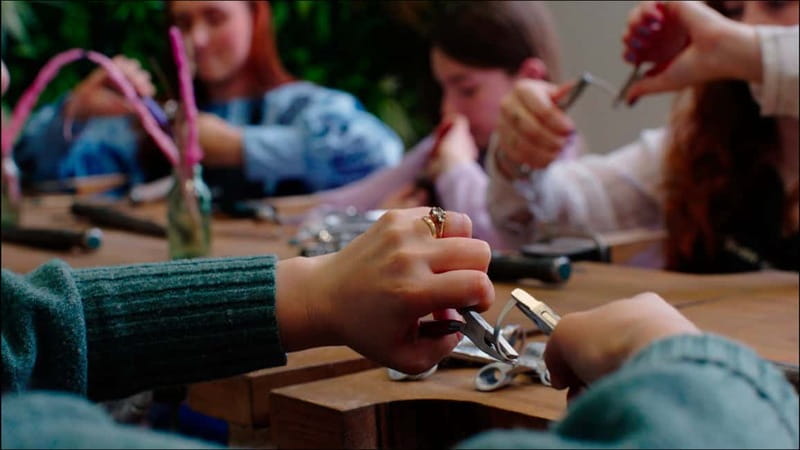
At $98 per person for a 2-hour session, the natural question is: is it worth it?
Here is how I see the value. You get:
- A sterling silver ring that you personally make
- An expert tutor guiding each metalworking step
- Hands-on instruction across multiple techniques (cutting, shaping, soldering, filing, texturing, polishing)
- Tea or coffee plus snacks
So you are not just paying for a skill lesson. You are paying for materials, guided tool use, and your finished piece. If you’ve priced jewelry-making classes elsewhere, you’ll notice a common pattern: the craft time is often cheaper than buying a finished ring, but the quality and materials can vary. Here, the product outcome is very clear: you take home an individual ring.
Also, this is the kind of activity that is hard to recreate later. In other words, even if you bought a souvenir ring, you would not get the same story or the satisfaction of making something functional and wearable.
If you are traveling with someone, it becomes even more compelling for couples. Many people book it as a matching rings activity for anniversaries and engagements, since you can craft two pieces with your own texture and finish choices.
Who this ring forging workshop fits best in your Dublin plan
This experience is a great match if you like:
- Hands-on work where you can see progress quickly
- Making your own souvenir, not just buying one
- Small-group energy and personal guidance, especially if it is your first time working with metal
It is also a smart choice for couples who want a shared project. Your ring can become a wearable memory instead of a separate shopping task.
The workshop is suitable for children over 10 years old, and anyone under 16 must be accompanied by a paying guardian. So it can work for families where teenagers want something active and creative.
Two other practical filters:
- The workshop requires a good level of English for the class instructions.
- It is not suitable for wheelchair users, and both studios have steep stairs.
If you tick the boxes and you want something different from standard Dublin sightseeing, this workshop is a high-impact use of time. It is also easy to drop into your day because it is only 2 hours, and it ends back at the meeting point.
Should you book the Dublin silver ring forging workshop?
I think you should book it if you want a souvenir that is genuinely personal. The class gives you a finished sterling silver ring you craft through real steps, with guided support and multiple customization points like finger sizing, curve, textures, and polish.
You might skip it if:
- Stairs are a problem for you, since both studios have steep stairs and it is not wheelchair accessible.
- You need a super laid-back activity with zero structured timing, because arriving late beyond the allowed window can mean you cannot join.
- English instructions are a challenge for you, since a good level of English is required.
If those do not apply, this is one of those Dublin experiences where the hours feel short because you are busy making something. And when you walk out, you get the rare travel win: a keepsake you can wear the next day, not just show on a phone.
FAQ
How long is the Dublin silver ring workshop?
The workshop lasts 2 hours.
What is included in the price?
The price includes the forging workshop, an expert tutor, your individual ring, tea or coffee, and snacks.
Where is the meeting point if my class is not on Drury Street?
Your session is booked for Drury Street, but some workshops are moved to Georges Street. You will receive a message the day before with the correct location. The second location is 4 South Great Georges Street, D02NR59.
Do I need English to take part?
Yes, a good level of English is required for all workshops.
Is it suitable for kids?
It is suitable for children over 10 years old. Anyone under 16 must be accompanied by a paying guardian.
Is hotel pickup included, and is it wheelchair accessible?
Hotel pickup and drop-off are not included. The workshop is not suitable for wheelchair users, and the studios have steep stairs.
Fresh options around Dublin
- Wicklow: Private Day Tour from Dublin★ 5.0 · 5 reviews
- Wicklow Mountains Private Day Tour including Glendalough★ 5.0 · 7 reviews
- Women Of Ireland: Trailblazers & Pioneers★ 5.0 · 4 reviews
- Wicklow Mountains & Glendalough Luxury Private Day Tour★ 5.0 · 23 reviews
- Wicklow tour of Glendalough★ 4.5 · 8 reviews
- Dublin To Kilkenny Castle Waterford Crystal Private Car – Day Tour★ 5.0 · 8 reviews
- Waterford Crystal and Kilkenny Full-Day Rail Tour from Dublin★ 5.0 · 3 reviews
- Full Day Private Wicklow Tour★ 5.0 · 12 reviews
Workshops, compared.


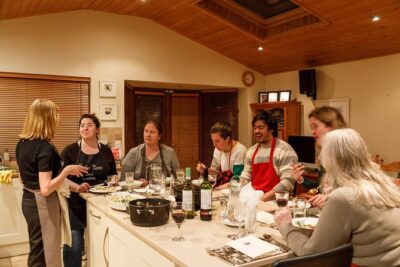
Irish Craic & Cuisine: Cooking Class & Dinner in Central Dublin
Read our review →
Irish Baking Class: Granny’s Apple Cake, Traditional Scones
Read our review →
Jameson Distillery Whiskey Cocktail-Making Class
Read our review →
Private Cooking Class in a Modern Home with Sea Views in Skerries, Dublin
Read our review →Browse the lists this tour appears in