
Reviewed · DUBLIN
Dublin Explorer Pass: Save up to 50% on 3 to 7 Attractions
This pass is interesting because it turns Dublin’s ticket chaos into one plan you can adjust on the fly. You pick 3, 4, 5, or 7 attractions from an over-40 list, then you redeem them with a phone QR code as you go.
I love the flexibility built into the choices, especially if you want big-name stops like Guinness Storehouse, Christ Church Cathedral, or the Dublin Castle area without committing to a strict itinerary. I also love the value pitch, since the pass claims up to 50% savings versus buying tickets separately.
One consideration: several top options marked with an (R) need advanced reservations, so you should check the Go City app early and reserve what you want before the best time slots vanish.
Key Things to Know Before You Use the Dublin Explorer Pass
- Digital entry made simple: you show your pass QR code at each attraction gate or ticket office for scanning
- Pick your count, not a fixed route: choose 3, 4, 5, or 7 attractions from a menu of over 40 options
- Plenty of time, but the clock matters: your pass activates on your first attraction visit, then you get 30 days to use the remaining attractions
- Some bookings are required: attractions marked (R) require advanced reservations, and popular activities can sell out
- Your smartphone is the key tool: sync your pass in the Go City app, and keep it charged
Digital Pass in Your Pocket: Using the QR Code for Dublin Entry
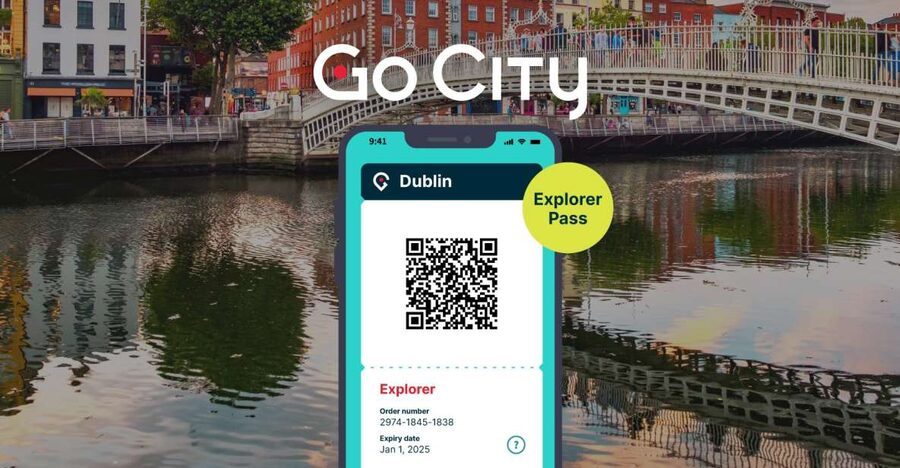
The basic idea is refreshingly low effort. You buy the Go City Explorer Pass, then you use your smartphone at the gate. At each stop, you go straight to the attraction, show your pass QR code, and the ticket office or gate scans it for admission. The end result is fewer paper tickets to manage and less time spent figuring out what ticket goes where.
To get the smoothest experience, follow the instructions on your booking confirmation to sync your pass with the Go City app. If you like redundancy, you can save the pass to your phone or tablet, or print a copy. That matters because even if you are comfortable with phones, Dublin weather can be rude, and batteries are not.
You’ll also want to bring a charged smartphone and a passport or ID card, since those are listed as what to have with you. And remember, meeting points are basically each attraction entrance. This is not a guided bus tour with a single starting location where you wait for a group.
More of Dublin worth an open tab:
- Dublin to Cliffs of Moher, including Wild Atlantic Way and Galway
★ 5.0 · 23,331 reviews - From Dublin: Cliffs of Moher, Burren & Galway City Day Tour
★ 4.8 · 18,888 reviews - Dublin: Guinness Storehouse Entry Ticket
★ 4.6 · 16,863 reviews
The 1-Year Validity, Plus Your 30-Day Sprint After First Use
This pass has two different time windows, and understanding them can save you from accidental stress.
First, the pass is valid for 1 year from the purchase date. But it only truly starts when you visit your first attraction. That first scan activates the pass. After activation, you then have 30 days to use the remaining number of attractions you purchased.
That structure is great if your trip has flexibility. For example, you might do a day of big sights early, then take day trips or mix in other plans, and still have a full month to finish your remaining attractions. It also explains why a 7-attraction pass can feel powerful if you are not trying to sprint through Dublin every single day.
One practical tip: before you commit to any dates, open the Go City app and check the most current access instructions and opening times. Hours can change, and the pass line-up in the app is the best source for what is working on your travel dates.
How Choosing 3, 4, 5, or 7 Attractions Really Works
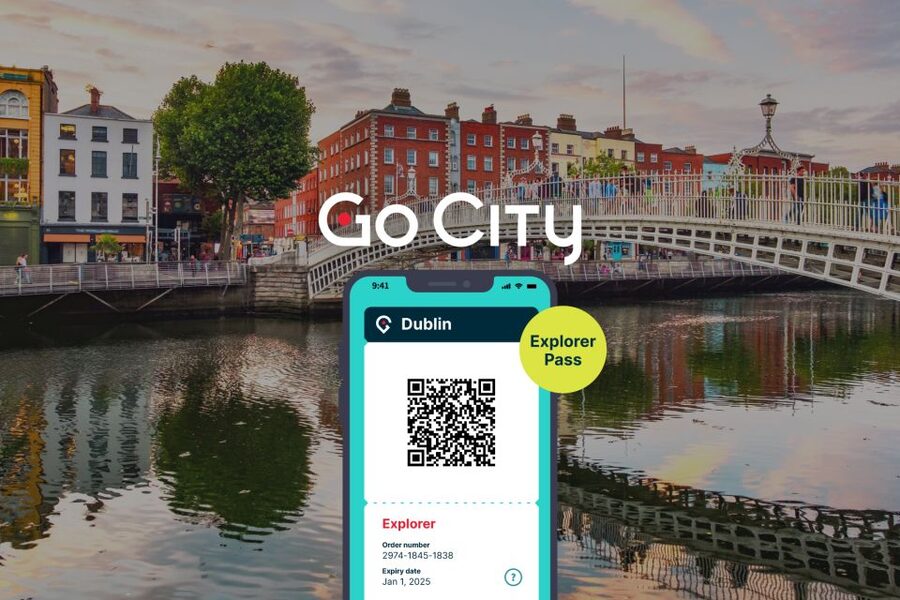
With Go City, you are buying a bundle of admissions. The pass is digital and includes a digital guide with information about the attractions. What it is not is a set itinerary. You decide what to use, and when.
So the real question becomes: which attractions match your energy?
If you choose 3 attractions, I see it as a way to lock in a few must-dos without overplanning. A 4 or 5 attraction choice usually fits people who want a mix of sightseeing and at least one activity that needs more time. The 7 attraction option is best when you want to spread visits across multiple days without feeling pressured to do everything back to back.
From the available choices, here are some common themes you can mix and match:
- Big indoor highlights (Guinness Storehouse, EPIC – The Irish Emigration Museum)
- Cathedral and historic sites (Christ Church Cathedral, Saint Patrick’s Cathedral, Dublin Castle)
- Museums for niche interests (The Little Museum of Dublin, National Wax Museum, Dublinia)
- Tours and experiences with scheduled entry (Jameson Distillery Bow Street Tour, Teeling Whiskey Distillery Tour)
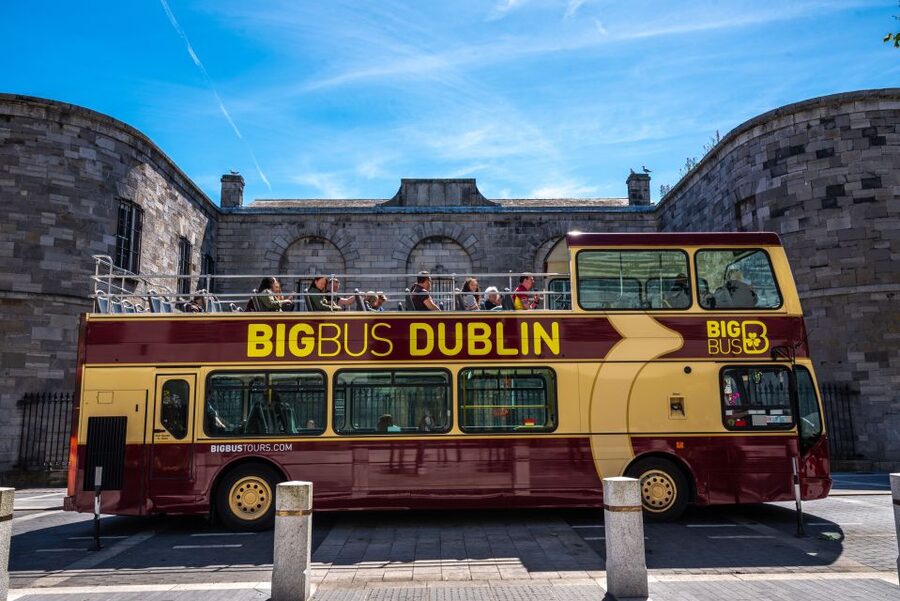
- Transport-friendly sightseeing (Big Bus Dublin Hop-on Hop-off Bus Tour)
Because entries are scanned one at a time, your best strategy is to pick a few anchors, then fill in the gaps with museums, tours, and optional extras based on the weather.
Guinness Storehouse and Christ Church Cathedral as Your Two Big Anchors

If you only pick a handful of stops, start with anchors that feel like Dublin in one visit.
Guinness Storehouse is one of the headline options, and the pass description specifically calls out tasting a world-famous Irish drink. That kind of “you only need one stop” value is why it works well as a top priority when you have a limited attraction count.
Pair it with a historic religious landmark like Christ Church Cathedral. The description notes it is Dublin’s oldest building and gives a very specific hook: it dates to about 1,000 years old. That makes it an easy match for people who want at least one deep-feeling, older Dublin stop alongside a modern, visitor-friendly attraction.
A good way to structure these two is to avoid stacking them at the exact same time. Choose one as a morning or early afternoon focus, then keep the other for a later slot. That reduces the chance you lose your day if one part takes longer than you expected.
Also keep in mind that some attractions in the list require reservations. Before you lock your plan around these anchors, check the (R) markers in the Go City app for whichever specific slots you want.
Same city, a different sort of day out:
- Dublin to Cliffs of Moher, Burren, Wild Atlantic Way, Galway Tour
★ 5.0 · 12,924 reviews - Dublin: Giants Causeway, Dark Hedges, Dunluce & Belfast Tour
★ 4.8 · 8,843 reviews - Dublin to Belfast Black Cab, Dunluce Castle and Giant’s Causeway
★ 5.0 · 7,954 reviews - Kilkenny, Wicklow Mountains & Glendalough Day Tour from Dublin
★ 5.0 · 7,897 reviews
Big Bus Dublin, Food on Foot, and Other Choose-When Options

Not every Dublin day needs a museum ticket. One reason people like this kind of pass is you can add flexible activities that fit your mood.
Big Bus Dublin Hop-on Hop-off Bus Tour is a classic example. Since it’s hop-on, hop-off, it lets you cover more ground without constantly figuring out transport. It’s a smart way to orient yourself, especially if you plan to walk between sights after.
If you want something social and local-flavored, Walking Food Tours – Food on Foot is another option on the list. Food tours can be a great “break from monuments” plan. Also, this is one of the activities where you might actually get food or drink as part of the experience, since food and drinks are not included with the pass unless they are part of the chosen activity.
This is where the pass can shine for independent travelers. Instead of treating every day like a checklist, you can pick one activity that needs attention and then let the rest of your schedule be lighter.
Just don’t assume any tour is instantly walk-up friendly. If something is marked (R), it needs advanced reservations, so you will want to set those plans first.
Distilleries, Dublin Castle, and Museums for Different Types of Curiosity

Dublin has more than one kind of “culture day.” The attraction list gives you enough variety that you can match your choices to what you actually like.
For drink-and-craft interests, consider:
- Jameson Distillery Bow Street Tour (listed as requiring reservations with (R))
- Teeling Whiskey Distillery Tour (on the list)
These are structured experiences, and tours usually have set times. That’s exactly why reservations matter. If distillery tours are on your must-do list, treat them like your top priority and book early in the Go City app.
For history and power structures, there’s a cluster around Dublin’s civic and historic landmarks:
- Dublin Castle
- Dublinia
Even if you are not a deep history person, these tend to give context for what you see in the streets. They are also good “pairing” candidates with cathedral visits, because your brain is already in the right gear for older buildings.
If you prefer a more modern identity story, EPIC – The Irish Emigration Museum is in the mix. And if you like smaller, personal-perspective exhibits, The Little Museum of Dublin is a useful option.
For fun, offbeat museum choices, the list includes:
- National Wax Museum
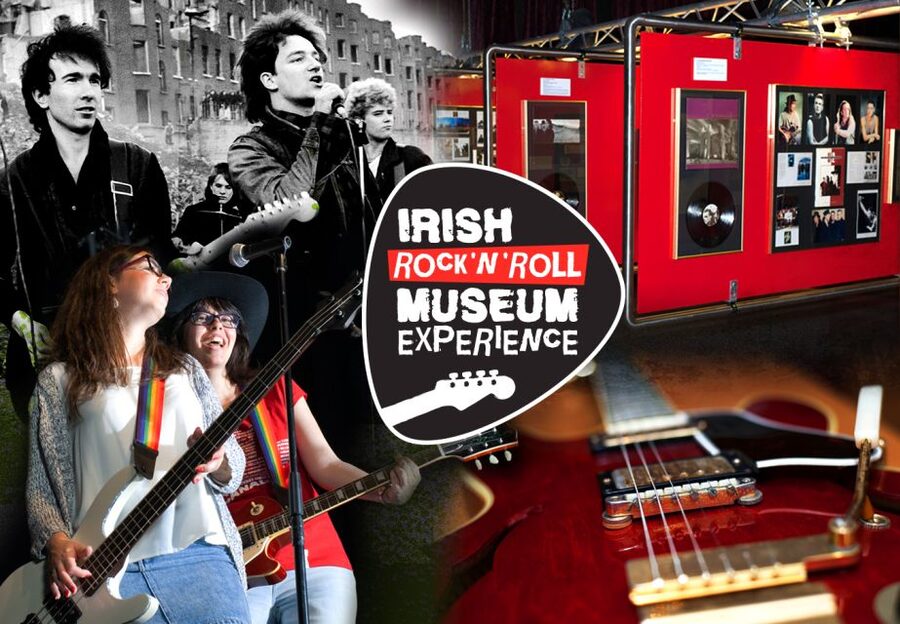
- The Irish Rock n Roll Museum Experience
- Game of Thrones Studio Tour
- Dublin Zoo
- Dublinia (already mentioned, but it’s worth repeating because it often becomes a key anchor for people who like interactive history)
- The Irish Emigration option (EPIC) for larger-scale storytelling
One caution: because you are choosing only a limited number of attractions, it helps to decide which “type” you want most. If your goal is classic sightseeing, load up on cathedral and castle style stops. If your goal is structured experiences and tours, prioritize distilleries and studio visits.
Reservations Marked (R): The Planning Step That Makes or Breaks the Day

Here’s the truth: a pass can feel super convenient, until you try to use it at the wrong time for a reservation-required attraction.
Any attraction marked with an (R) requires advanced reservations. In your list, examples include Guinness Storehouse (R), Jameson Distillery Bow Street Tour (R), and Walking Food Tours – Food on Foot (R). That means you should check what you want to book right away, not after you arrive.
The other part that helps: popular activities need reservations, and the guidance is clear that you should reserve well in advance. So if you are visiting during a busier season, make your reservation decisions early in your trip planning, even before you finalize the exact day you will use each ticket.
When reservations go wrong, it’s usually not the pass causing the problem. It’s timing. So treat the pass as your entry method, and treat reservations as your schedule for the day.
Transportation and Food: What the Pass Covers, and What It Does Not

This pass is about attraction entry, not getting you around town like a private driver.
Transportation to and from attractions is not included unless it is part of the chosen activity. Big Bus is one of the choices that is set up like a sightseeing transport option, but outside of that, assume you are handling your own walking, buses, or taxis.
Food and drinks follow the same rule. They are not included unless they are part of the chosen activity. That’s important for planning. You could pick a museum day and end up hungry, or you could pick a food tour and have your meal built in. So build meals around your chosen attractions.
A simple way I like to plan days is: pick one attraction that is a “time anchor” (cathedral, museum, studio tour, distillery), then treat the rest of the day as flexible walking and optional stops.
Price and Value: Is $78 Actually a Deal?

The price listed is $78 per person, and the headline promise is savings up to 50% compared to buying separate tickets. The pass also notes that savings are based on sample itineraries.
So how should you judge value without guessing? Think in terms of this:
- If you plan to use most of your chosen attractions, the pass is doing its job.
- If you hesitate or skip, you lose value fast because you cannot magically add unused attractions back later.
- If your picks include reservation-required big names, the pass can be especially efficient because you would otherwise be juggling multiple separate tickets.
The reason this works for many people is mental convenience. You manage one QR code. You spend less time pricing individual admissions. And you can adjust your order as your trip changes.
Based on the rating of 4.2 out of 5, the most positive pattern is that the pass is easy to use and can save time. A practical detail from real-world use is that the QR code approach tends to work well even for people who are not phone-focused, especially when you follow the app syncing instructions or keep a printed backup.
Who Should Book the Dublin Explorer Pass, and Who Might Skip It
This pass is a good fit if you:
- Like freedom, not strict tour schedules
- Want to compare many attractions and then commit only to the ones you care about most
- Plan to use more than one major sight during your time in Dublin
- Appreciate digital entry, but still want the option to save a copy offline
It may be less ideal if you:
- Want everything to be walk-up and spontaneous with no planning step
- Are set on attractions that are not on the list
- Plan a trip with very limited attraction use, since the “bundle” logic depends on actually redeeming your chosen count
If you are traveling with mixed interests, it’s also helpful. One person can focus on distilleries, another on museums, and both can be handled through the same pass choices.
Should You Book the Dublin Explorer Pass?
I’d book it if your Dublin plan includes multiple named stops from the list, especially the top anchors like Guinness Storehouse, Christ Church Cathedral, Dublin Castle, or EPIC, plus at least one tour-style experience. The digital QR entry is straightforward, and the 30-day window after your first scan gives you room to breathe.
I’d think twice if you are only aiming for one or two attractions, or if you hate booking reservations in advance. For the pass to pay off, you need to pick your 3 to 7 attractions thoughtfully and reserve the ones marked (R) early.
If that sounds like you, this is one of the cleaner ways to handle Dublin sights without turning your trip into a ticket spreadsheet.
FAQ
How many attractions can I choose with the Dublin Explorer Pass?
You can buy a pass for 3, 4, 5, or 7 attractions and then select that number from the list of over 40 options.
Where do I go to enter each attraction?
Start by going straight to the attraction or tour. Show your pass QR code to the ticket office or gate for admission scan.
How long is the pass valid?
The pass is valid for 1 year from purchase date, but it activates with your first attraction visit. After activation, you have 30 days to use the remaining number of attractions you purchased.
Do I need advanced reservations for every attraction?
No, but some do. Attractions marked with an (R) require advanced reservations, and the most popular activities typically need reservations too.
What do I need to bring with me?
Bring a passport or ID card and a charged smartphone.
Is transportation or food included?
Transportation to and from attractions is not included unless part of the chosen activity. Food and drinks are not included unless part of the chosen activity.
Can I cancel after I book?
Yes. There is free cancellation up to 24 hours in advance for a full refund.
Fresh options around Dublin
- Wicklow: Private Day Tour from Dublin★ 5.0 · 5 reviews
- Wicklow Mountains Private Day Tour including Glendalough★ 5.0 · 7 reviews
- Women Of Ireland: Trailblazers & Pioneers★ 5.0 · 4 reviews
- Wicklow Mountains & Glendalough Luxury Private Day Tour★ 5.0 · 23 reviews
- Wicklow tour of Glendalough★ 4.5 · 8 reviews
- Dublin To Kilkenny Castle Waterford Crystal Private Car – Day Tour★ 5.0 · 8 reviews
- Waterford Crystal and Kilkenny Full-Day Rail Tour from Dublin★ 5.0 · 3 reviews
- Full Day Private Wicklow Tour★ 5.0 · 12 reviews