

Reviewed · MUSEUMS
Dublin: Irish Famine Exhibition Entry Ticket
The Irish Potato Famine exhibition in Dublin is interesting because it turns a huge, painful historical event into something you can follow room by room, step by step. I love how concise it is, with a clear storyline that fits into about an hour, and I love the original artifacts that keep the facts from feeling abstract. One drawback to consider is the subject matter is grim, so it is not the kind of stop you make casually while you are in a bright, carefree mood.
You will explore an exhibition set on the upper level of Stephens Green Shopping Centre, with storyboards, rare 19th century photos, and objects from the time period. It is a self-paced visit, so you can slow down where you want, then take a seat for a short film. Just note that you do need to plan for your visit time, since the ticket validity is long, but opening hours are limited to the afternoon window.
Key Highlights You’ll Notice Right Away
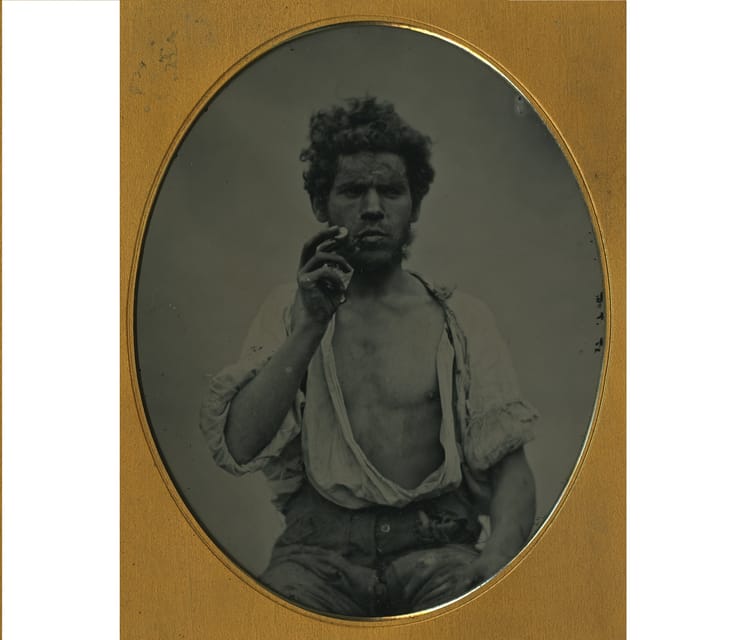
- Self-paced, about an hour of clear story flow, with benches in each room
- Rare 19th century photographs that put faces and places to the era
- Original documents and letters, including a tenant to landlord letter and a father to son letter
- Real-life famine details, including workhouses, evictions, coffin ships, and disease
- A 15-minute overview film with built-in seating so you can reset your brain
- Translation manual included in French, German, and Italian (helpful if English is not your strength)
Irish Famine in Dublin, in One Hour: What This Exhibition Covers
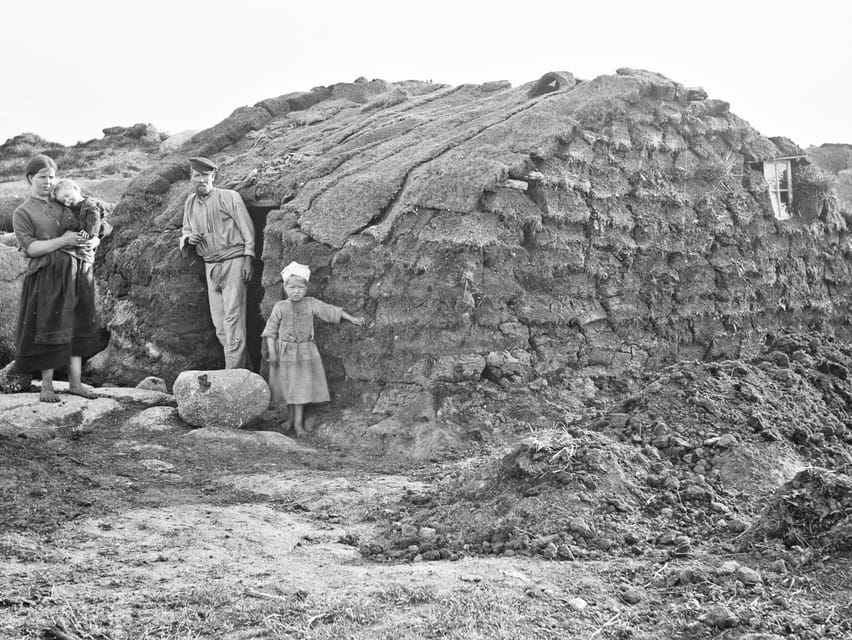
If you want to understand the Irish Potato Famine in a way that actually sticks, this exhibition is a smart use of time. It is not trying to overwhelm you with big abstract concepts. Instead, you follow a sequence that builds the cause, the worsening conditions, and the brutal consequences. And because you move at your own pace, you can pause when something hits hard.
I also appreciate that the exhibition does not treat the subject like a distant tragedy with a polite distance. You are confronted with the realities, like workhouses, evictions, coffin ships, and disease. That is the part that makes it educational in the best way: you learn the mechanisms, not just the slogans.
One more thing I respect is the way the exhibition frames the word famine as controversial. At the time, Ireland was part of the British Empire, and the exhibition points out there was sufficient food in the country during the famine years. Then it forces the big question: how could over a million people die from starvation and disease, and how could millions flee? That tension is not just academic. It is the heart of understanding what happened.
More museums and galleries in Dublin:
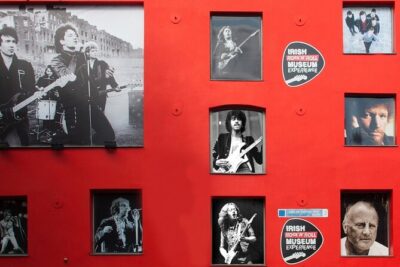
- Irish Rock ‘N’ Roll Museum Experience Dublin
★ 5.0 · 6,112 reviews - The Little Museum of Dublin Famous Guided Tour
★ 5.0 · 2,948 reviews - Dublin EPIC Museum Admission Ticket
★ 4.5 · 1,729 reviews
Getting There at Stephens Green Shopping Centre, Unit 200B
This is a straightforward stop, especially if you are already walking around central Dublin. The exhibition is inside Stephens Green Shopping Centre, and the directions are clear enough that you will not be guessing once you are there.
Here is how I would plan it:
- Enter the shopping centre from the main entrance off Grafton Street.
- Find the elevator on the right, about 20 meters in.
- Go up to the 2nd floor, then go left.
- Follow signs to unit 200b.
If you enter from the car park side, the exhibition is on the opposite end of the centre. The good news is that Stephens Green is a busy, well-marked area, so you can usually reorient quickly if you take a wrong turn.
Opening hours are every day from 12:00 pm to 6:00 pm, which makes it easy to pair with a late-morning stroll or an early dinner plan. Plan on at least one hour inside, and if you stop often to read and look closely at photos, you may run closer to 75 or 90 minutes.
Your Self-Paced Walkthrough, From Storyboards to Room-By-Room Storytelling
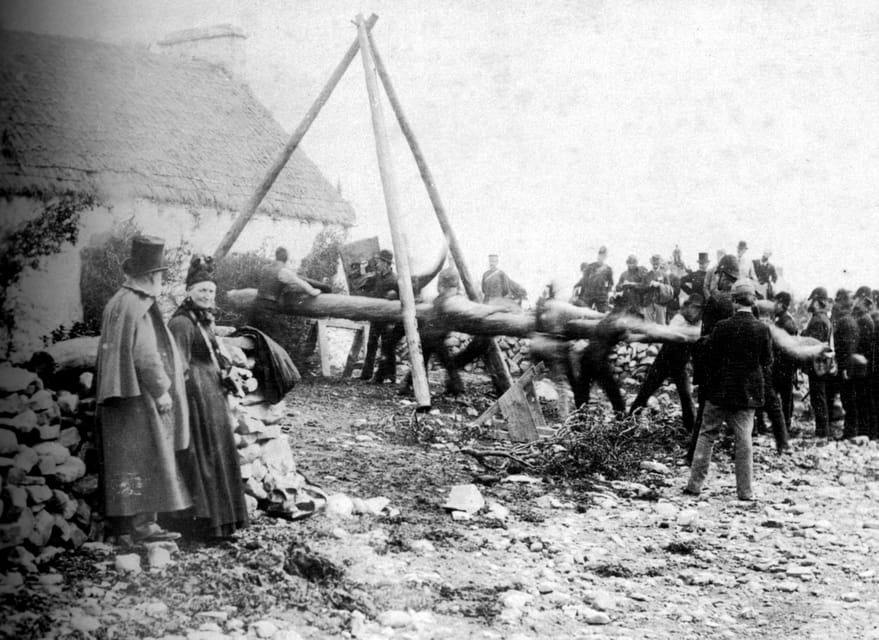
This exhibition works because it feels like you are walking through a guided explanation, without needing a group schedule. The layout is built around multiple rooms, each with storyboards that reveal the story step by step. You can move at your own speed, but the structure keeps you from getting lost in details.
In each room, there is seating and benches, which matters more than you might expect. When you are reading about disaster, your brain needs breaks. Those spots let you recover without feeling like you are delaying anyone else.
What I like most about the room design is that it uses a mix of “learning modes”:
- You read storyboard text that provides a clear line through the timeline.
- You look at period images to get a sense of what the places looked like.
- You see physical objects and documents that ground what you read.
That combination helps you avoid the common museum problem where everything blurs together. Here, the exhibition keeps moving, but you still get time to absorb.
Original Artifacts That Make the Story Feel Real: Letters, Newspapers, Soup Pot
A big part of why this ticket feels worth the price is that you are not only looking at general information. You are seeing originals from the time period, displayed in an accessible way.
Here are the standout pieces you should look for:
- Two original newspaper articles describing the catastrophe
- Two personal letters, one from a tenant to his landlord and another from a father to his son
- An original cast iron soup pot
These items change the way you experience the event. A storyboard explains events. A newspaper shows how the crisis was discussed at the time. A letter shows what people feared and hoped for in personal terms. And a soup pot reminds you that hunger was not an abstract phrase. It was daily, practical, and relentless.
If you are the type of traveler who reads slowly, plan extra time in these rooms. If you are the type who likes to skim, still stop here and spend a few minutes. The letters and newspapers are the places where you will likely feel the strongest emotional impact, because they are specific. The tragedy stops being a statistics lesson and becomes a human one.
A few more Dublin days worth comparing
- Dublin: Guinness Storehouse Entry Ticket
★ 4.6 · 16,863 reviews - Dublin: Fast-Track Book of Kells Ticket & Dublin Castle Tour
★ 4.5 · 1,661 reviews - Dublin: The Dublin Pass with Tickets to 40+ Attractions
★ 4.3 · 1,639 reviews - From Dublin: Giant’s Causeway & Belfast Titanic with Ticket
★ 4.8 · 1,440 reviews
Rare Photographs and the Hard Topics: Workhouses, Evictions, Coffin Ships, Disease
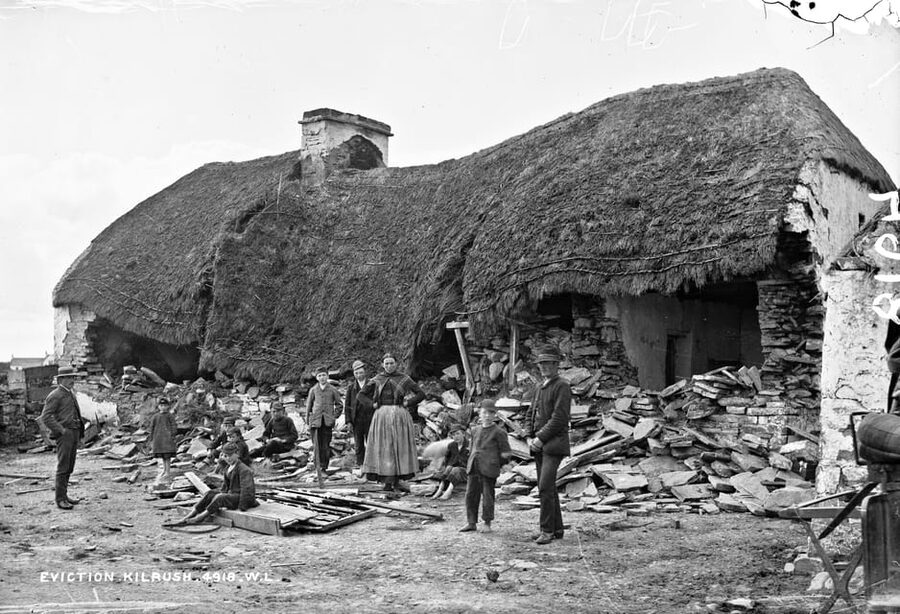
The exhibition includes rare 19th century photographs of Ireland, and I recommend you treat them like evidence, not decorations. Look at what is shown and what is implied. Photos from that era can be visually striking, but in this context they also help you understand scale and conditions.
Then the story turns toward the hardest topics, explained in a straightforward way:
- Workhouses
- Evictions
- Coffin ships
- Disease
These categories matter because they show how disaster spreads through systems. It is not only crop failure and hunger. It is also how people were processed, separated, removed, and how illness moved through communities under strain. The exhibition connects those dots so you can see the full chain.
One practical tip: if you feel overwhelmed, do not force yourself to “power through.” Use the benches. Watch the film when you need a reset. Coming back to a room after a short break often makes the information stick better than trying to absorb everything in one exhausted sprint.
The 15-Minute Overview Film: How to Time Your Seating Break
At various points, the exhibition offers a 15-minute overview film, with seating available for that viewing. I like that it is not a long documentary that drags you through every detail. It is a short format, which makes it easier to use strategically.
Here is how you can use it well:
- If you feel like the story is getting heavy while you are reading, take the film soon after you learn the early context.
- If you read first and then want reinforcement, watch the film after the main storyboard rooms.
- If you are a skimmer, watching the film can help you catch the storyline without missing the key points.
Because seating is built into the layout, you are not hunting for a quiet corner. You can stay inside the flow of the exhibition and keep your momentum.
Also, if you ever pick up the optional USB version later, the film format content is part of what makes the storyline easy to revisit. On the USB, the storyboards are broken up and shown in film format set to suitable mood music, and the 15-minute overview film is also included.
Price, Hours, and Value: Is This Dublin Ticket Worth Your $16?
At $16 per person, this is the kind of ticket that can be good value if you want more than surface-level learning. You are paying for:
- Entry to the Irish Famine Exhibition
- A translation manual in French, German, and Italian
- Access to the storyboards, artifacts, photographs, and the overview film seating experience
What helps the value feel real is that the exhibition is designed for a self-paced visit. You do not have to coordinate with a group. If you arrive and choose to spend 45 minutes, that is still a visit. If you spend closer to an hour and focus on the artifacts and letters, you get more out of it without adding more cost.
It also helps that the exhibition runs daily from 12:00 pm to 6:00 pm. You are not stuck planning around narrow time slots. And the ticket validity is 180 days, so you can choose a day when your schedule is actually calm enough to absorb the material.
The only reason to hesitate on value is if you only want light, upbeat cultural stops. This is heavy history. It is important, and it is learning focused. If that is not your travel style today, save it for a day when you can give it your full attention.
A Note on the Word Famine and the Big Question the Exhibition Leaves You With
The exhibition makes a point that the use of the word famine here is controversial. It notes that Ireland was part of the richest Empire in the world at the time, the British Empire. It also notes that there was sufficient food in the country through the famine years.
Then it forces the question that many visitors struggle to explain after reading headline-level versions of history:
- Why did over a million people die from starvation and disease?
- Why did millions flee?
That framing is valuable for travelers because it avoids a simplistic story. Instead, it pushes you toward understanding systems, decisions, and pressures that shape outcomes. Even if you already know some facts, this exhibition’s approach can sharpen your thinking and make the event feel less like a single-note disaster and more like a chain of causes.
Quick Practical Tips Before You Go
Here are the practical details that will help you have an easier visit:
- Give it an hour. The exhibition is structured to work in about that time, and rushing will make you miss the letters and photos.
- Start soon after 12:00 pm if you want more comfortable reading time, since the afternoon is peak for shopping centre traffic.
- Plan for reading. The storyboards are meant to be read step by step, so bring your attention, not just your curiosity.
- Use the seating. Benches are in each room, and there is seating for the 15-minute film.
- Use the translation manual if needed. It is included, so you can read in French, German, or Italian.
If you want a takeaway you can revisit later, there is a reception desk where you can purchase a book and a USB stick version. The USB version includes storyboards broken into film format with mood music, plus the 15-minute overview film.
Should You Book the Dublin Irish Famine Exhibition?
I think you should book this ticket if you want a clear, human-scale understanding of the Irish Potato Famine, without needing a guided tour. It is especially worth it if you like museums that use original documents, photos, and real objects to connect the story to actual lives.
You might skip it if you are looking for a light cultural diversion today. This is not gentle. It is an important education, and the exhibition does not shy away from the brutal parts. But if you are ready for that, the format is strong: self-paced, about an hour, with built-in breaks and a short film to tie it all together.
FAQ
How long is the Irish Famine Exhibition visit?
Allow at least one hour for your visit. The exhibition visit is self-paced, and there is also a 15-minute overview film with seating available.
What are the opening hours in Dublin?
The exhibition is open every day from 12:00 pm to 6:00 pm.
Where is the exhibition located inside Stephens Green Shopping Centre?
It is in unit 200b in Stephens Green Shopping Centre. From the main entrance off Grafton Street, take the elevator on the right about 20 meters in, go to the 2nd floor, then go left.
What is included with the $16 ticket?
The ticket includes entry to the Irish Famine Exhibition and a translation manual in French, German, and Italian. The overview film is part of the exhibition experience.
Are the book and USB stick included?
No. The book and USB stick are not included. You can purchase them separately at the reception desk.
What languages are available for the translation manual?
The translation manual is available in French, German, and Italian.
Is the exhibition wheelchair accessible?
Yes, it is wheelchair accessible.
What if I need to change plans?
The activity includes free cancellation up to 24 hours in advance for a full refund, and you can reserve now and pay later. The ticket is valid for 180 days, with starting times shown based on availability.
Fresh options around Dublin
- Wicklow: Private Day Tour from Dublin★ 5.0 · 5 reviews
- Wicklow Mountains Private Day Tour including Glendalough★ 5.0 · 7 reviews
- Women Of Ireland: Trailblazers & Pioneers★ 5.0 · 4 reviews
- Wicklow Mountains & Glendalough Luxury Private Day Tour★ 5.0 · 23 reviews
- Wicklow tour of Glendalough★ 4.5 · 8 reviews
- Full Day Private Wicklow Tour★ 5.0 · 12 reviews
- Dublin To Kilkenny Castle Waterford Crystal Private Car – Day Tour★ 5.0 · 8 reviews
- Waterford Crystal and Kilkenny Full-Day Rail Tour from Dublin★ 5.0 · 3 reviews
Museums, compared.
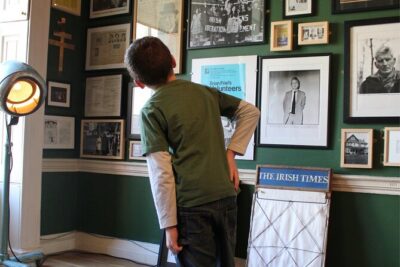
The Little Museum of Dublin Famous Guided Tour
Read our review →

Giant’s Causeway with the Titanic Exhibition and the best of Northern Ireland
Read our review →

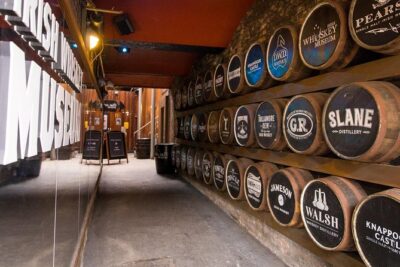
Irish Whiskey Museum: Whiskey Blending Experience
Read our review →
Irish Whiskey Museum Blending Tour with Tastings
Read our review →Browse the lists this tour appears in