
Reviewed · SELF-GUIDED TOURS
St Patrick’s Cathedral: Self-Guided Cathedral Admission
Saint Patrick’s Cathedral is interesting because it is both a working place of worship and a major Dublin landmark tied to Irish identity for centuries. You get to choose your own pace, but the cathedral still pulls you along with big names, big symbols, and serious architecture.
I especially love the way the visit connects literature, faith, and history in one stop, including the burial of Jonathan Swift, dean of the cathedral from 1713 to 1745 and author of Gulliver’s Travels. I also really like the stained glass and storytelling inside, including a window that shows the life of Saint Patrick in 39 images.
One thing to keep in mind is that the cathedral can get busy, particularly around midday. If you’re hoping for total quiet, go earlier in the day, and plan your detours so you can enjoy the solemn parts without feeling rushed.
Key highlights you should plan around

- Swift’s burial and the cathedral artifacts tied to Gulliver’s Travels
- Door of Reconciliation, linked to the phrase to chance your arm
- Interactive Discovery Space with iPads, touch screens, and brass rubbing
- Gothic architecture and stained glass, including Saint Patrick in 39 images
- Audio guides in multiple languages, with helpful, station-based explanations
- Optional short guided moments when you want a human voice for a few minutes
Entering St Patrick’s Cathedral the Dublin way
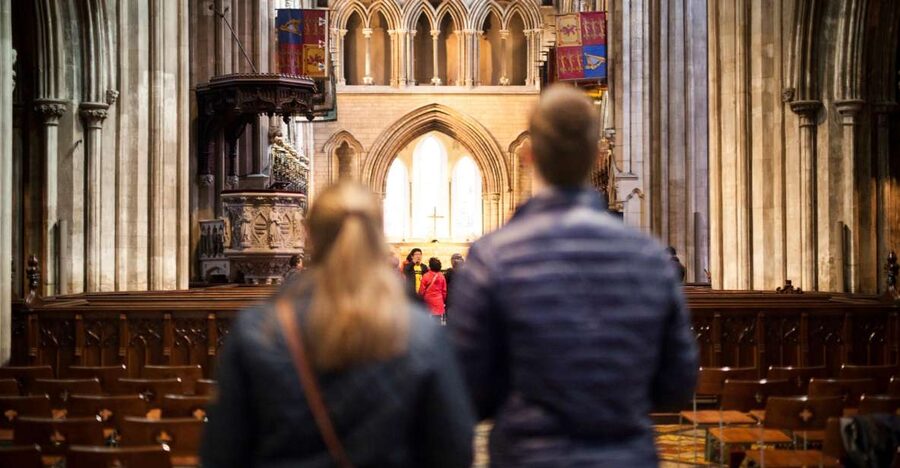
Start at Saint Patrick’s Cathedral and treat it like a living landmark, not a museum you zip through. The building sits right next to the famous well where tradition says Saint Patrick baptized converts during his Dublin visit, so the cathedral’s story is wrapped around the physical spot.
Before you commit to a route, take 2 minutes to orient yourself. The main interior gives you visual cues fast, and the audio guide is designed so you can move naturally from feature to feature.
Crowd flow is generally managed well, and the space is laid out so you can slow down without feeling like you are blocking others. You may even spot small moments happening around the grounds, like a choir performing or filming activity in the park, which can make the whole area feel less staged and more like everyday Dublin.
A few more Dublin days worth comparing
- Christ Church Cathedral Entrance Ticket & Self-Guided Tour
★ 4.6 · 773 reviews - Dublin Ghost Hunt Exploration Game and Tour
★ 4.0 · 34 reviews - Private Dublin Treasure Hunt Self Guided Tour
★ 4.5 · 14 reviews
Swift’s tomb and the author-dean connection
The biggest “wow, I didn’t expect that” element is the connection to Jonathan Swift. You can visit where Swift is buried, and that alone makes the cathedral feel more personal if you read Gulliver’s Travels or enjoy Dublin’s literary fingerprints.
On top of that burial, the cathedral displays a selection of artifacts related to Swift’s time as dean. That matters because it turns a famous name into a place you can stand inside. You’re not just learning dates from a screen, you are seeing how the cathedral gathered people, influence, and ideas across the 1700s.
If you want to go a step further, look for how the cathedral frames Swift within its broader spiritual and cultural role. The audio guide helps you connect the dots, so the stop does not feel like a one-note detour.
The Door of Reconciliation and the phrase to chance your arm
One of the cathedral’s best-known features for word nerds and phrase lovers is the Door of Reconciliation. The meaning is more than symbolic trivia, because it ties a religious ritual to the way Irish people express themselves in everyday language.
The cathedral highlights that the door gave rise to the expression to chance your arm. It is a small detail on the page, but it lands well in person because you can stand at the doorway and think about what forgiveness and reconciliation would have meant in real lives.
This is also where I like slowing down. A doorway is simple, but it is loaded. Let the audio guide explain the concept, then look at the door area and surrounding design as if it is part of a message meant to be read by ordinary people, not just tourists.
Saint Patrick’s setting, the well, and what you are actually looking at
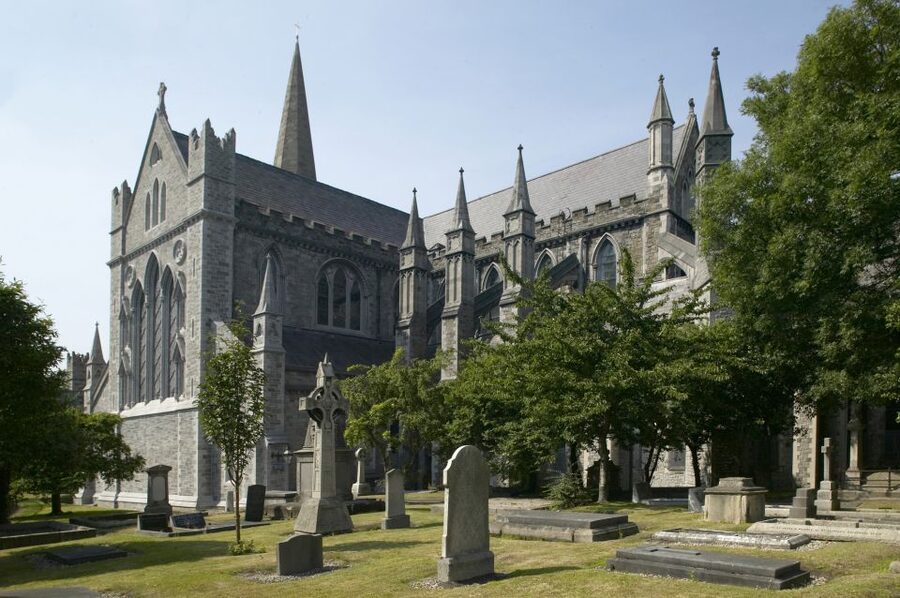
Saint Patrick’s Cathedral was built in honor of Ireland’s patron saint, and it sits beside the well associated with his work in Dublin. Even if you treat the tradition as a story, the point is that the cathedral grew around belief, not around abstract theory.
The adjacency matters because it explains why this building has stayed at the heart of Dublin and Ireland’s history and culture for over 800 years. You are not walking past an isolated church. You are stepping into a cluster of meaning: worship, memory, pilgrimage, and community all in one area.
As you walk through, keep an eye out for how the cathedral’s layout guides you. It naturally points you toward the big focal points first, then offers space to absorb smaller details once you are settled.
Same city, a different sort of day out:
- Dublin to Cliffs of Moher, including Wild Atlantic Way and Galway
★ 5.0 · 23,331 reviews - From Dublin: Cliffs of Moher, Burren & Galway City Day Tour
★ 4.8 · 18,888 reviews - Dublin: Guinness Storehouse Entry Ticket
★ 4.6 · 16,863 reviews - Dublin to Cliffs of Moher, Burren, Wild Atlantic Way, Galway Tour
★ 5.0 · 12,924 reviews
Gothic architecture and stained glass in 39 images
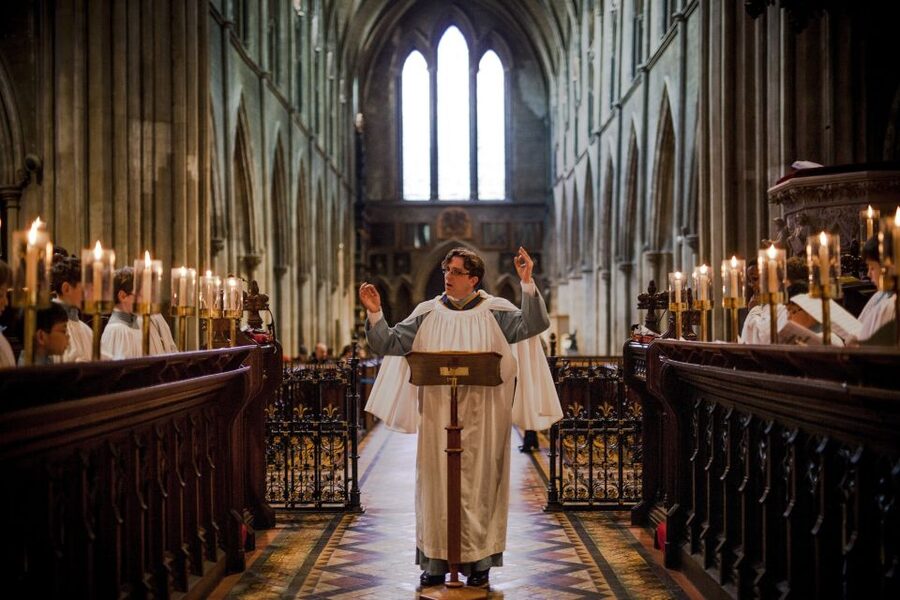
Inside, you’ll notice the cathedral’s Gothic identity right away. The stonework, height, and rhythm of the interior all make the space feel intentionally designed to hold both silence and celebration.
The stained glass is a major reason to linger. One standout shows the life of Saint Patrick in 39 images. That is not just a clever concept, it is a way of teaching a story in pictures across a sequence, like a visual timeline you can read from a distance and then return to up close.
Plan to look more than once. On the first pass, you catch the general design and mood. On the second pass, the audio guide and your own attention let you pick out the specific scenes and how they connect.
If you like tactile experiences, check out the brass rubbing option in the Discovery Space area. It is the kind of activity that turns “looking at art” into “handling history” in a way that actually makes the visit stick.
Discovery Space: iPads, touch screens, and how to use them without losing time
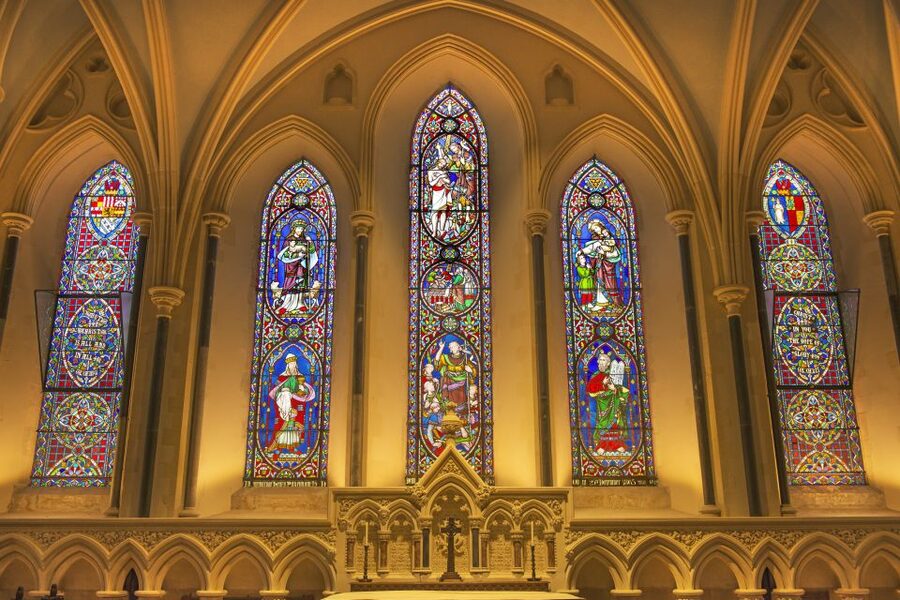
The cathedral’s Discovery Space is built for people who want context without a full guided tour. It uses iPads and touch screen technology to illuminate the cathedral’s long history, including short samples of the choir and interactive explanations that help you understand what you are seeing.
This is a smart add-on because stained glass and architecture can feel like “pretty and old” unless you know what to look for. The Discovery Space gives you a quick framework, then you can go back into the main cathedral with better instincts.
A practical tip: do not cram it all at once. Spend enough time to learn what matters, then return to the cathedral interior so the visuals connect to the info you just picked up. That mix is where the whole experience gets stronger.
Handheld audio guides in 6 languages, and the headphone trick

The included audio guide is one of the best value parts of this visit. You get English, French, German, Italian, Spanish, and Irish, and the device is designed to explain details around the cathedral with station-based prompts.
I like that it supports a real self-guided style. You can follow the suggested order, but you are not locked into it. If you walk past a feature and later realize you want context, you can circle back and keep listening.
You’ll get the best sound quality if you use your own headphones. One easy upgrade is to connect your phone to the audio setup, especially if you prefer your familiar earbuds. Either way, keep the volume at a comfortable level, because the cathedral is also a space where the atmosphere matters.
The audio guide experience tends to be smooth, and it helps you get past the “where do I look” problem that big churches can create.
Optional guided tours every so often, plus chances to ask questions
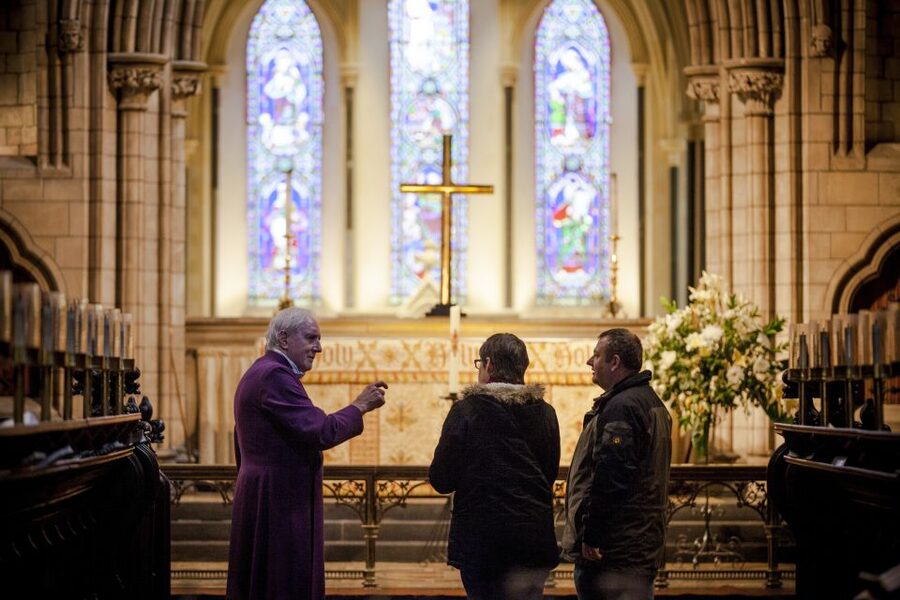
Even though this is self-guided admission, you may also see guided tours offered on site at set times. People report sessions about every 15 minutes, which is useful if you want a human explanation for a short burst and then your own pace afterward.
If you catch a guide like David or Anna, that can make the experience feel even more personal. The best moments are usually the ones where they point out specific architectural details or answer the questions you did not know you had.
My advice is simple: if you feel a bit lost, join one short guided session. After that, go back to self-guided mode and let the audio guide carry you at your speed.
How long you should plan, and a sensible pace inside
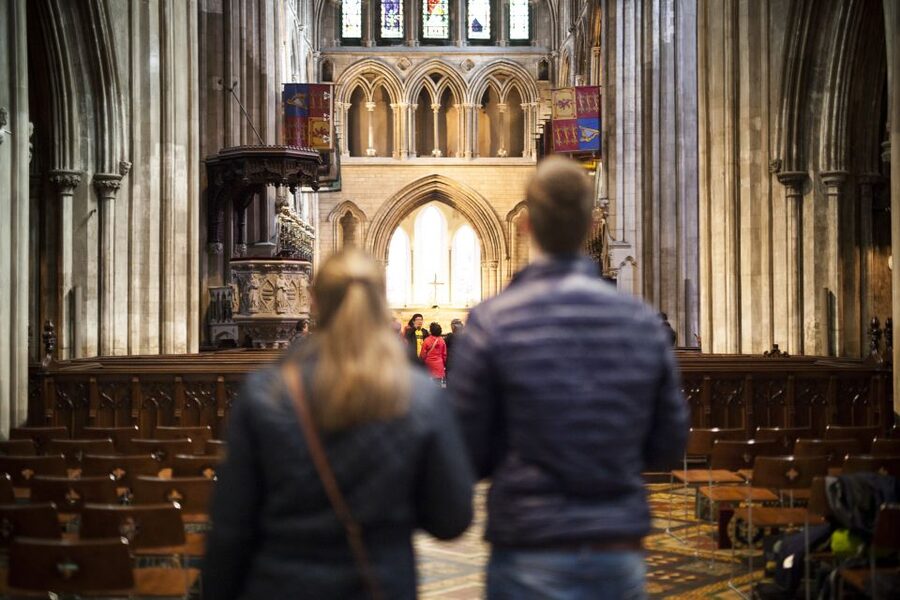
Because the admission is valid for 1 day, you can pick a time window that matches your energy. But for the experience itself, I recommend planning for a relaxed, unhurried visit rather than a sprint.
Give yourself time for:
- A first walk-through to take in the Gothic interior
- A second pass focused on stained glass and the key memorial points
- A Discovery Space stop for the iPads, touch screens, and brass rubbing
- Enough audio listening to connect stories to what you are seeing
In practical terms, plan on something like 1.5 to 2 hours if you want both the main cathedral features and the interactive bits. If you are into photography, add a bit more time so you can wait for clear sight lines without stressing.
Price and value: why $12 works here
At $12 per person, this admission feels like a fair deal because you are not just paying for entry. You are paying for a structured way to understand what you are standing in front of.
What you get for the price includes:
- Self-guided admission
- Audio guides in multiple languages
- Skip-the-ticket-line entry
- Interactive Discovery Space elements such as iPads, touch screens, and brass rubbing
That mix matters. Churches can be hit-or-miss for value if the ticket only covers “walk around and hope.” Here, the audio and Discovery Space give you a reason to spend time, not just pass through.
Also, the cathedral hosts sung services twice daily Sunday through Friday. Even if you are not planning around a service, it is good to know the building is active, which makes the atmosphere feel different from a purely historical site.
Who this fits best, and who may want to adjust expectations
This is a great fit if you:
- Want major Dublin history tied to real names like Jonathan Swift
- Like stained glass and architecture you can actually interpret with an audio guide
- Prefer a self-guided format but still want interactive tools and optional guided sessions
- Travel with children who can handle a structured, audio-supported visit (and you are booking with a parent or guardian when needed)
It is also wheelchair accessible, so you can plan a route with that in mind. If you have specific mobility needs, you’ll want to allow extra time to navigate at your pace and to take breaks as the cathedral’s interior encourages slower movement.
If you are ultra-sensitive to crowds, pick a quieter time and treat the visit like a morning or late-afternoon stop. Midday is when you may feel the press of other people moving through the same highlights.
Should you book St Patrick’s Cathedral self-guided admission?
Yes, I think you should book if you want an efficient, meaningful stop that does not lock you into a group schedule. The audio guides and Discovery Space make the cathedral more than a pretty building, and the Swift connection plus the Door of Reconciliation give you story hooks that are easy to remember later.
Book it with the right mindset. This is not about rushing to tick boxes. It is about taking a steady look, using the audio to understand what you see, and letting the big moments like Swift’s burial and the stained glass narrative land on you.
FAQ
Is this admission self-guided?
Yes. You get self-guided admission with included audio guides, and the activity ends back at the meeting point at Saint Patrick’s Cathedral.
How much does St Patrick’s Cathedral admission cost?
The price is $12 per person.
How long is the ticket valid?
The admission is valid for 1 day. You should check availability to see starting times.
What languages are included in the audio guide?
Audio guides are included in English, French, German, Italian, Spanish, and Irish.
Can I skip the ticket line?
Yes, the activity includes skip-the-ticket-line entry.
Is it wheelchair accessible?
Yes, the activity is listed as wheelchair accessible.
Are there any rules for kids or cancellations?
Under 18s must be accompanied by a parent or guardian. You also get free cancellation up to 24 hours in advance for a full refund.
Fresh options around Dublin
- Wicklow: Private Day Tour from Dublin★ 5.0 · 5 reviews
- Wicklow Mountains Private Day Tour including Glendalough★ 5.0 · 7 reviews
- Women Of Ireland: Trailblazers & Pioneers★ 5.0 · 4 reviews
- Wicklow tour of Glendalough★ 4.5 · 8 reviews
- Wicklow Mountains & Glendalough Luxury Private Day Tour★ 5.0 · 23 reviews
- Dublin To Kilkenny Castle Waterford Crystal Private Car – Day Tour★ 5.0 · 8 reviews
- Waterford Crystal and Kilkenny Full-Day Rail Tour from Dublin★ 5.0 · 3 reviews
- Full Day Private Wicklow Tour★ 5.0 · 12 reviews
Self-Guided Tours, compared.

Christ Church Cathedral Entrance Ticket & Self-Guided Tour
Read our review →

Dublin Self-Guided Murder Mystery Tour by Temple Bar
Read our review →
Dublin Old Town: Famous Pubs Exploration Game and Tour
Read our review →
A Self-Guided Stroll Along Dún Laoghaire’s East Pier
Read our review →
Browse the lists this tour appears in