
Reviewed · WORKSHOPS
Irish Baking Class: Granny’s Apple Cake, Traditional Scones
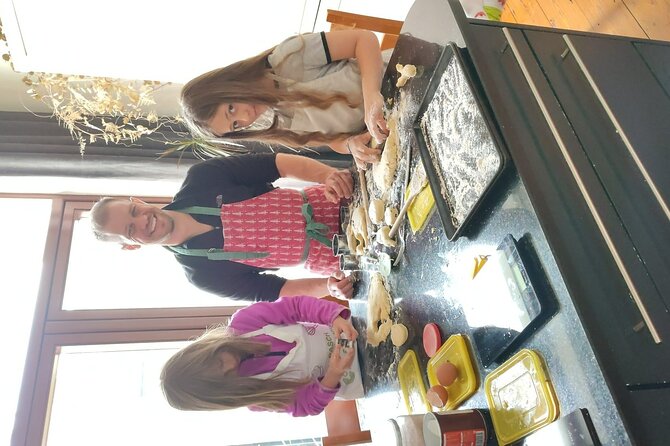
The most interesting part of this Dublin experience is that you learn real Irish baking in a real home kitchen, not a demo stage. In Emily Lavelle’s Victorian home on Morehampton Road, you bake either traditional Irish scones or Granny’s Apple Cake, then you get a relaxed sit-down with what you made. I love the small-group feel and the hands-on teaching, but the main trade-off is you typically bake one main recipe during the class, so you might wish you could book both options.
This is the kind of morning that works for families and solo travelers because it moves at a human pace. You start with tea or coffee, you bake for about 1 hour 30 minutes, and you leave with extra baking plus recipes. It’s also friendly for beginners, and yes, it’s suitable for ages 8 and up.
Key highlights to look forward to
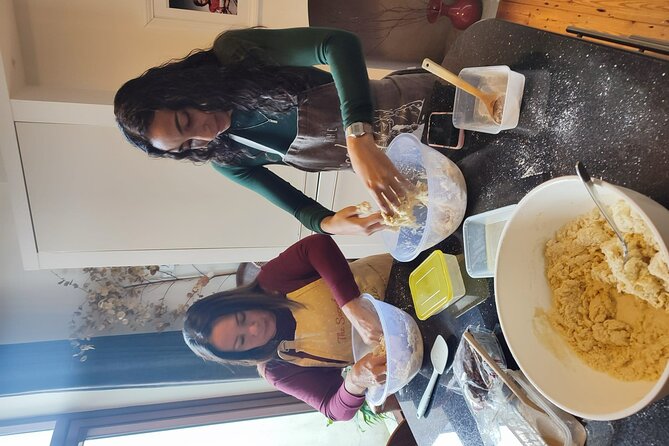
- Small group, max 6 so you get actual attention while you mix and shape
- Tea or coffee to start, which makes the kitchen part feel calm, not rushed
- Choose your bake: Irish scones with butter, jam, and fresh cream, or Granny’s Apple Cake with spice and apples
- Culture while you bake with stories about Irish food and daily life from Emily Lavelle
- Diet and wellness coaching angles, including practical cooking tips as you work
- Take-home baking and recipes so your kitchen back home doesn’t stay quiet
A Dublin baking class that feels like a real morning at home
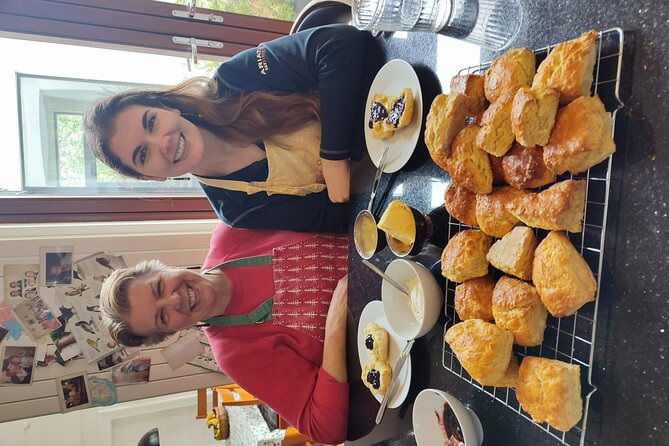
If you only do the big-ticket sights in Dublin, you miss one of the easiest ways to understand the place. Food is one of the fastest routes to Irish life, and this class leans into that idea in a simple way. You’re not studying menus. You’re making something that actually comes out of the oven, warm, smelling like butter or spiced apples.
The setting matters too. Emily Lavelle hosts in a Victorian Dublin home on Morehampton Road, in the Donnybrook area. That alone changes the tone. Instead of commuting to a studio, you’re stepping into a lived-in house, with a relaxed “we’re baking together” vibe.
And the best part is how the class balances skills with atmosphere. You get a structured baking process, but you also get the human side, the tea-first welcome and the conversation that turns recipes into something you can picture at home.
More cooking classes in Dublin:
- Irish Craic & Cuisine: Cooking Class & Dinner in Central Dublin
★ 5.0 · 80 reviews - Private Cooking Class in a Modern Home with Sea Views in Skerries, Dublin
★ 5.0 · 12 reviews - Private Market Tour and Irish Cooking Class in a Modern Skerries Home
★ 5.0 · 7 reviews
Where to meet and how the 10:30am kitchen rhythm works
The class starts at 10:30am and runs about 1 hour 30 minutes. You meet at Morehampton Road, Dublin, and the experience ends back at the same meeting point.
Why this matters for your trip: Dublin days can fill up fast. A 1.5-hour block is the right size for a morning activity, especially if you’ve got lunch plans or you want time for a museum, walk, or pub later. Also, because the group is small (maximum 6), it’s easier to coordinate than bigger tours.
You’ll also get a mobile ticket in English, and the meeting area is near public transportation. If you’re staying in central Dublin, you can plan on a quick hop out and back without committing to a long transfer.
Tea first, then your hands-on Irish baking starts
Most Irish cooking experiences start with rules. This one starts with comfort.
You begin with tea or coffee before you bake. That tiny pacing choice helps you settle in, even if you’re traveling solo. It also gives you a moment to meet the host and anyone in your group before flour turns everything into work mode.
Then you get into the baking itself. Depending on what you choose, you either make:
- Irish scones using a traditional recipe, or
- Granny’s Apple Cake the authentic Irish way
During the baking, Emily shares her passion for Irish food and culture. You’ll also hear cooking tips from her diet and wellness coaching lens, which tends to make the process feel practical, not just culinary theater. One thing I like about that approach is you leave with ideas you can actually use, like how to think about ingredients and texture while you cook.
In at least one class account, the morning also began with warm homemade soda bread. Even if your specific start varies, it signals the same idea: this isn’t just a “recipe walk-through.” It’s a proper home-kitchen welcome.
Choosing between scones and Granny’s Apple Cake
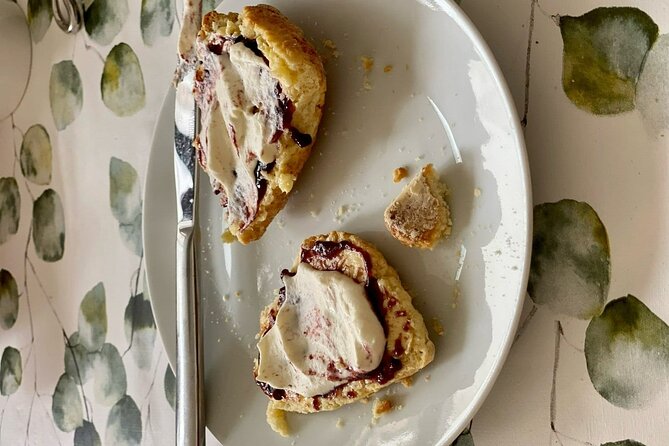
You’ll pick one main bake for the class: Irish scones or Granny’s Apple Cake.
More hands-on workshops in Dublin:
- Dublin: Forge a Silver Ring Workshop on Drury Street
★ 4.9 · 1,065 reviews - Dublin: Irish Music and Dance Show with Dance Lesson
★ 4.7 · 567 reviews - Dublin: Jameson Distillery Whiskey Blending Class
★ 4.8 · 113 reviews - Dublin: Forge a Silver Ring Workshop on George’s Street
★ 5.0 · 56 reviews
If you choose Irish scones
The scones are golden and buttery, and the class is set up so you can taste your results. When your scones are ready, the serving style is classic and satisfying: Irish butter, Irish jam, and fresh cream.
This matters for your expectations. Scones can be one of those foods people either love or think are dry and crumbly. Here, the focus is on getting the texture right, so the eating part matches the work part.
If you choose Granny’s Apple Cake
Granny’s Apple Cake is a wholesome dessert with chunks of apple and sugar and spice in the right balance. The spiced flavor profile is a big part of why people keep coming back to this style of cake.
When it’s finished, you enjoy it warm with a dollop of fresh cream. It’s the kind of pairing that turns a cake slice into a proper comfort-food moment, without needing anything fancy.
How the class actually teaches baking, even if you are not a baker
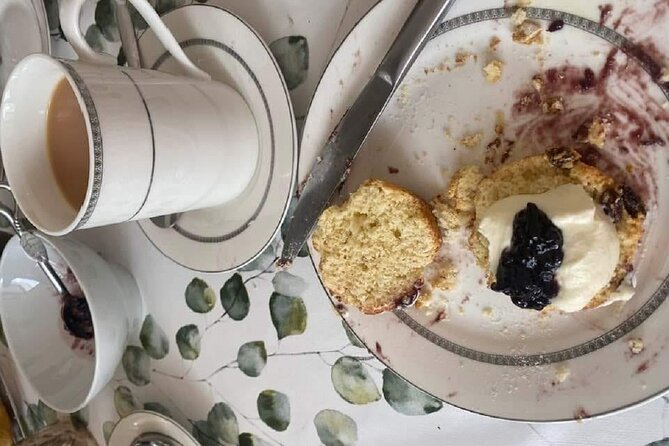
The most common fear with cooking classes is this: I’ll mess it up, slow everyone down, or feel lost.
This class is designed to avoid that feeling. Because the group stays small, you get hands-on guidance while you mix, shape, and watch the baking. And because the focus is traditional recipes, the steps feel grounded rather than experimental.
What you’ll learn in the kitchen
You can expect a real technique focus, not just ingredient lists. Think texture, timing, and how the dough should look and feel as you move through the recipe. That’s a big deal for scones, where small changes can affect whether you end up with tender layers or a tough bite.
Also, the class includes “why” in plain language. Emily’s approach is explained through Irish food context, family recipe tradition, and practical baking reasoning. It keeps the session from turning into silent stress.
A helpful detail for first-timers
The experience is described as suitable for ages 8+, which tells you the instruction style is approachable. You’re not expected to be a pastry expert, and the pace is built to keep non bakers comfortable.
Turning out perfect scones: why the butter, jam, and cream matter
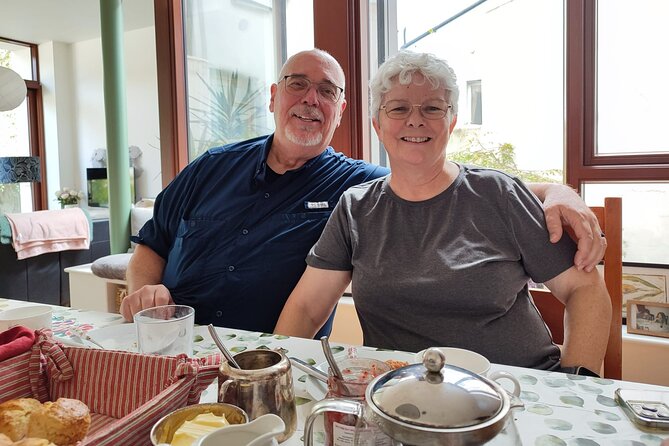
Irish scones are more than a snack. They’re a full event.
The scones in this class are meant to be light and fluffy, and the serving method reflects that. When you get them hot, then add Irish butter, Irish jam, and fresh cream, the flavors lock in fast. Butter gives the richness. Jam brings brightness. Cream softens any sharpness and makes everything feel rounded.
Here’s the practical takeaway for your home kitchen: you’ll learn that scones are not only about the oven. They are about the final texture and fat balance you serve with. If you bake a scone that’s almost right but skip the proper topping combination, it won’t taste like the Irish version you tried.
Granny’s Apple Cake: spice, apples, and the comfort-food payoff
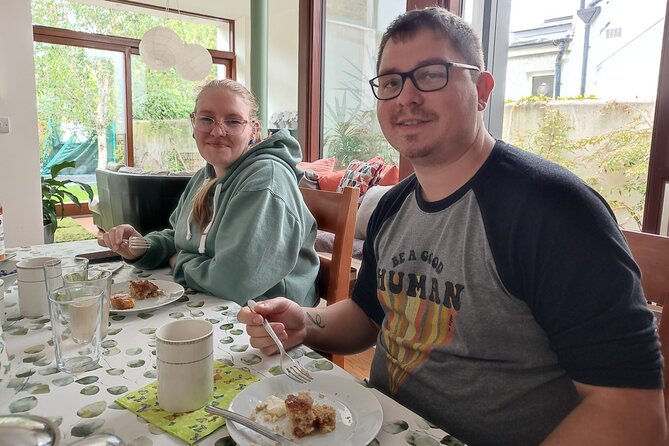
If you want something that feels like an Irish grandmother handed you a recipe with love, Granny’s Apple Cake is that option.
The cake’s profile is built around apple chunks, sugar and spice, and a wholesome feel. You’re not dealing with delicate flavors that vanish. You get warmth from spice and actual fruit pieces that keep the cake from tasting flat.
Then, the finishing touch is fresh cream. The cream works like a temperature and sweetness balancer. Warm cake plus cool cream equals a better mouthfeel, and it turns this dessert into something you can serve for guests without extra fuss.
The best part is that this cake is easy to imagine making again at home. Many people walk out wanting to bake it soon, because the ingredients and flavor logic are straightforward.
The cultural side: Irish food and everyday life, shared while you bake
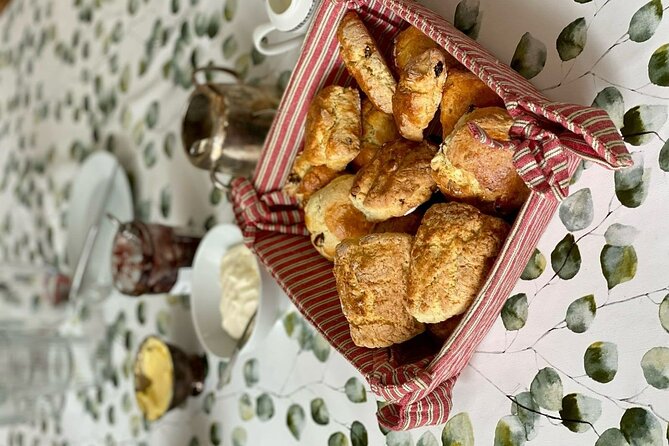
What makes this experience more than food is how it pairs cooking with stories. Emily shares insights into Irish food and culture while the baking is happening.
From the class accounts, the cultural piece shows up in a few ways:
- family recipe context, meaning why a tradition matters
- everyday life in Dublin and how food fits into routines
- an Irish heritage thread that makes the recipes feel personal, not generic
There’s also a humor factor. Multiple class accounts describe the session as relaxed and fun, and that matters because it keeps the kitchen atmosphere from feeling stiff.
I love experiences where the host treats the kitchen like a place for conversation. That’s what turns a recipe into something you carry home in your head, not just a sheet of paper.
What you take home: extra baking and recipes for your next attempt
The class doesn’t end when you walk out the door.
You can take home extra baking, which is a practical win if you’re traveling. It means you might not need to hunt down dessert later, and you can share what you made with someone back at your accommodation.
You’ll also receive the recipes. That’s one of the most important pieces for value, because a cake or scone you make once can feel like luck. Recipes help you repeat the success.
And since you’ll see the process up close, your second attempt at home is usually faster and more confident. Even if you’re not a regular baker, you’ll know what to aim for in texture and bake readiness.
Price and value: is $102.41 per person fair for Dublin?
At $102.41 per person, this isn’t the cheapest activity in Dublin. But it also isn’t “just a snack with a guide.”
Here’s what you’re paying for, in real terms:
- A hands-on class in a private home kitchen
- Small group size up to 6, which increases individual attention
- A tea or coffee start
- A made-for-you tasting of what you bake
- Take-home extra baking
- Recipes provided so you can recreate it
You’re essentially buying an experience that combines teaching, ingredients, hospitality, and a finished product. In cities like Dublin, that package often ends up costing more when the class is staged in larger commercial spaces.
Also, the class runs about 1 hour 30 minutes, so you’re getting a full morning experience without spending half a day commuting and waiting. For many people, that timing alone makes the value feel better.
Who this Dublin baking class fits best
This class works for a lot of travel styles.
Families and kids
It’s suitable for ages 8+, so kids can participate in the shaping and mixing parts. It’s the kind of activity that’s active, not passive, and it ends with something delicious that everyone can eat.
Solo travelers
If you’re traveling alone, a small group cooking class can be a relief. You get conversation time with the host and other participants, and it’s not awkward like some group tours can be.
Non bakers who still want results
One of the most reassuring signals in the class accounts is that the experience is enjoyable even for people who do not consider themselves bakers. The teaching style is practical, and the structure keeps you from feeling lost.
People who want local culture without a lecture
If you’re tired of museum-only days, this offers Irish culture through food. You’ll learn more by tasting and baking than by reading a plaque.
Practical tips so you enjoy it more
A few things will help your morning go smoothly.
- Wear something comfortable. You’ll be mixing and shaping, and kitchens are busy places.
- Come with an appetite. The session includes tea or coffee and a sit-down tasting of what you made.
- If you have dietary needs, tell the host in advance. Dietary requirements can be catered for if you let them know.
- Decide what you want most. If you love warm desserts, pick the apple cake. If you want something best for slicing and serving with toppings, pick the scones.
Should you book this Dublin Irish Baking Class?
Book it if you want a morning that is hands-on, friendly, and genuinely Irish in feel. I’d especially recommend it if you like the idea of learning through doing, and if you want to leave with both food and recipes, not just photos.
Skip it if you’re only looking for a quick walking tour, or if you hate the idea of choosing between scones or apple cake in one session. But if you’re open to baking, this is the kind of Dublin experience that makes the city taste like something real.
FAQ
What time does the Irish baking class start?
The class starts at 10:30am.
How long does the experience last?
It lasts about 1 hour 30 minutes.
What is the meeting point in Dublin?
You meet at Morehampton Road, Dublin, Ireland. The experience ends back at the meeting point.
Do I bake scones and apple cake, or do I choose one?
You choose between baking Irish scones or making Granny’s Apple Cake.
What happens during the class?
You start with tea or coffee, then you bake your chosen recipe with guidance, and you sit down to enjoy your warm homemade treat.
Is this class suitable for children?
Yes, it’s suitable for ages 8+.
Can you accommodate dietary requirements?
Dietary requirements can be catered for if you let the provider know in advance.
How big is the group?
The experience has a maximum of 6 travelers.
Is there free cancellation?
Yes. You can cancel up to 24 hours in advance for a full refund.
Fresh options around Dublin
- Wicklow: Private Day Tour from Dublin★ 5.0 · 5 reviews
- Wicklow Mountains Private Day Tour including Glendalough★ 5.0 · 7 reviews
- Women Of Ireland: Trailblazers & Pioneers★ 5.0 · 4 reviews
- Wicklow Mountains & Glendalough Luxury Private Day Tour★ 5.0 · 23 reviews
- Wicklow tour of Glendalough★ 4.5 · 8 reviews
- Dublin To Kilkenny Castle Waterford Crystal Private Car – Day Tour★ 5.0 · 8 reviews
- Waterford Crystal and Kilkenny Full-Day Rail Tour from Dublin★ 5.0 · 3 reviews
- Full Day Private Wicklow Tour★ 5.0 · 12 reviews
Workshops, compared.
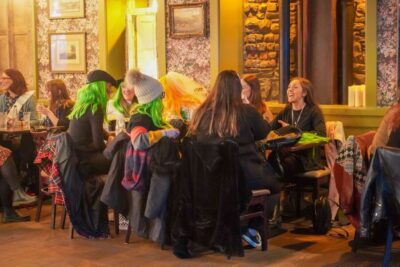

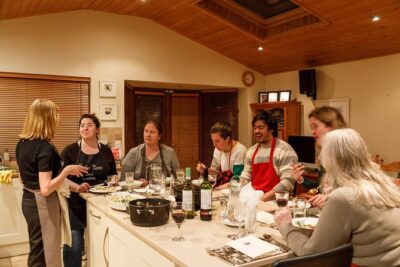
Irish Craic & Cuisine: Cooking Class & Dinner in Central Dublin
Read our review →

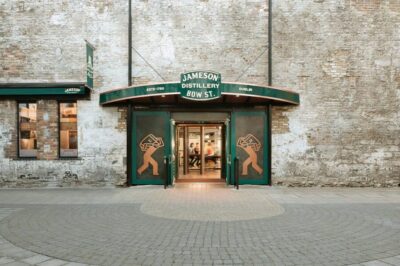
Jameson Distillery Whiskey Cocktail-Making Class
Read our review →
Private Cooking Class in a Modern Home with Sea Views in Skerries, Dublin
Read our review →Browse the lists this tour appears in