
Reviewed · MUSEUMS
Irish Famine Museum / Exhibition Dublin
This experience is interesting because it brings the Irish Potato Famine story into a compact setting right by St. Stephen’s Green. You move at your own pace through a short exhibition, then watch a brief documentary that puts the human stakes front and center.
I especially like the advance mobile ticket angle. It’s built for a quick, low-stress visit, and you are not stuck waiting at the door. I also like the way the display mixes real 19th-century material with photos, plus that 15-minute film.
One possible drawback is that it is not a long, climate-controlled, guided experience. Expect a self-guided walk with plenty of reading posters, and the film is the only major video component.
Key things to know before you go
- Advance mobile ticket helps you skip the entrance line and get straight into the exhibit
- Self-guided layout means you can go fast or slow in your own rhythm
- Rare aerial views of St. Stephen’s Green park add a surprising Dublin connection
- 15-minute documentary is included, giving you a quick visual anchor
- Pop-up format runs only during a seasonal window, ending in late September
- Translation guide availability in French, German, Italian, and Spanish can help you follow the story
Irish Potato Famine, Told Up Close Inside St Stephen’s Green

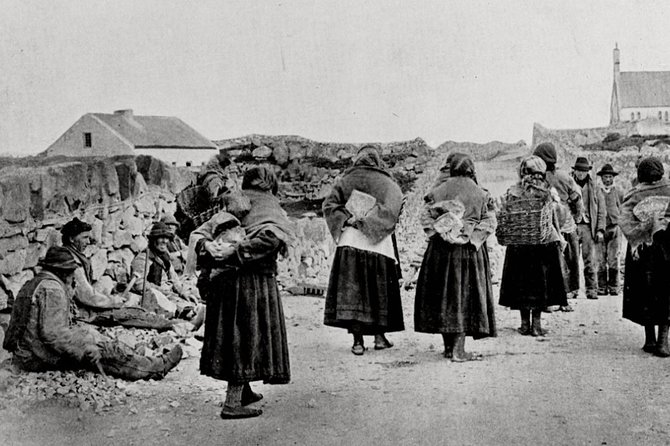
If you care about Ireland beyond pub stories, this exhibition gives you the cause-and-effect behind one of the most devastating events in Irish history. The Irish Potato Famine, often called the Great Hunger, is presented as a sequence of decisions, delays, and consequences, not just a list of dates.
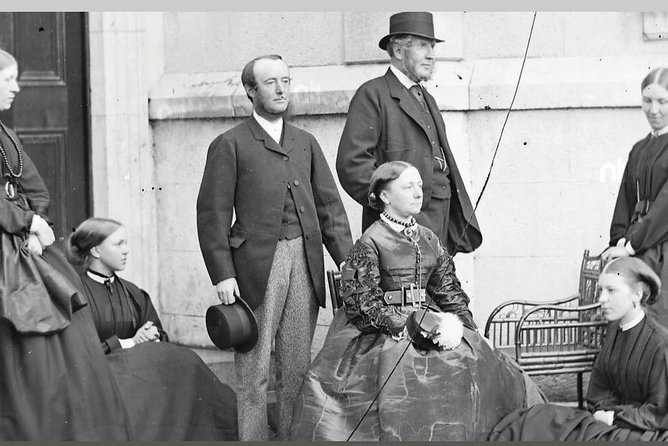
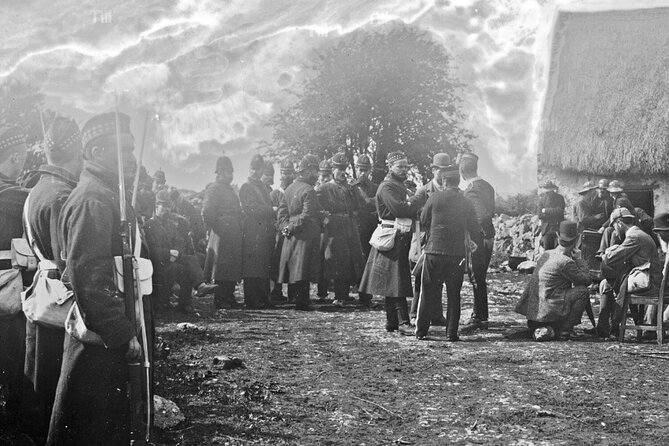
What makes it feel real is the mix of formats. You get objects from the period, photos, and newspapers, plus a short film to slow your pace for a moment. And because it sits at St. Stephen’s Green, you can pair it with a walk before or after, without burning half a day.
The tone is direct. You will learn the essentials fast, and you will still leave with questions about how governments and landowners handled a growing crisis.
More museums and galleries in Dublin:
- Irish Rock ‘N’ Roll Museum Experience Dublin
★ 5.0 · 6,112 reviews - The Little Museum of Dublin Famous Guided Tour
★ 5.0 · 2,948 reviews - Dublin EPIC Museum Admission Ticket
★ 4.5 · 1,729 reviews
Getting There and Timing Your 1 Hour Visit in Dublin

This is a short visit at about 1 hour, so it works well as a practical stop in the middle of a sightseeing day. You will start at Stephen’s Green Shopping Centre, St Stephen’s Green, Dublin, D02 HX65, Ireland, and the experience ends back at the meeting point.
Hours run daily from 12:00 PM to 6:00 PM during the seasonal window listed for 2026 (from 04/01/2026 to 09/30/2026). Since it is a pop-up, I suggest checking your travel dates early. If you are visiting in early autumn, plan so you can still catch it before it closes.
One more smart move is to book ahead. The experience is typically booked around 35 days in advance, and the point is not just convenience. It is also about keeping your day flexible, because you can arrive ready instead of figuring out tickets on the fly.
What You See at St Stephen’s Green Shopping Centre
The heart of the experience is an indoor exhibition focused on the Irish Potato Famine. You will walk through the displays, which include museum artefacts, many 19th-century photos, and period newspapers. There is also an original soup pot featured in the exhibit, which is the kind of detail that makes a historical topic feel physical.
The exhibit is not designed like a long museum gallery. It is more like a compact, room-by-room experience with posters and images that you can read at your own speed. That is part of the value if you want focus without committing to a full museum day.
As you go, you also pick up a distinct Dublin link through rare aerial views of St. Stephen’s Green park. It is a clever reminder that this story is not floating in the past. It connects a public space you can still see today with the Ireland that formed around those historic pressures.
How the Self-Guided Format Works (and Who It Suits)
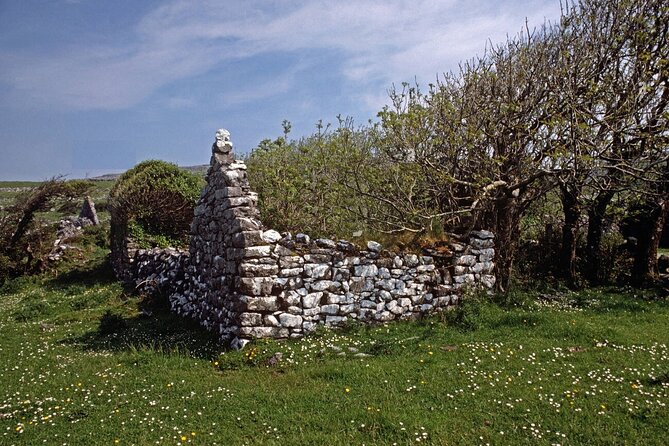
This is self-guided, so there is no need to coordinate with a group tour schedule. You control your pace, and you can spend extra time on the parts that click for you, like the images, the original items, or the newspaper clippings.
That said, you should know what you are walking into. One review described it as a pop-up museum upstairs in a mall, where most of your time is spent reading posters around a room. If your ideal museum day is audio-first, artifact-heavy, and low on reading, you might find this format a bit more text-based than you expected.
If you enjoy learning at your own tempo, this works nicely. You can read what you want, skip what you do not, and then watch the short film without feeling rushed.
For families, the rules are straightforward: children must be accompanied by an adult. Service animals are allowed too, which is helpful if you travel with an animal companion.
Same city, a different sort of day out:
- Dublin to Cliffs of Moher, including Wild Atlantic Way and Galway
★ 5.0 · 23,331 reviews - From Dublin: Cliffs of Moher, Burren & Galway City Day Tour
★ 4.8 · 18,888 reviews - Dublin: Guinness Storehouse Entry Ticket
★ 4.6 · 16,863 reviews - Dublin to Cliffs of Moher, Burren, Wild Atlantic Way, Galway Tour
★ 5.0 · 12,924 reviews
Short Film, Real Impact: The 15 Minute Documentary
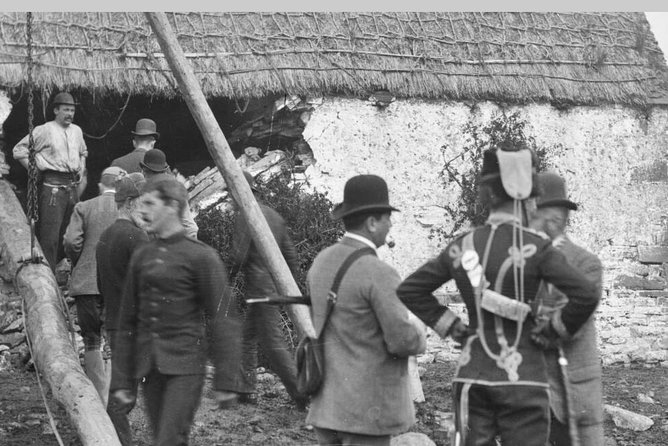
A key part of the experience is a 15-minute documentary film included with admission. It is short, but it is meant to give you a reset after you have been reading and scanning images.
If you are the type who learns better with a mix of storytelling and visuals, this film helps. It also keeps the experience from becoming entirely poster-based. For many people, the film is the moment where the famine story feels more immediate and less like a textbook topic.
Keep in mind the practical note raised by at least one visitor: the area for the film may not be climate controlled, so it can feel warm. If you are sensitive to heat, dress in layers so you can handle the indoor conditions comfortably.
Translations and Practical Comfort Notes for This Pop-Up
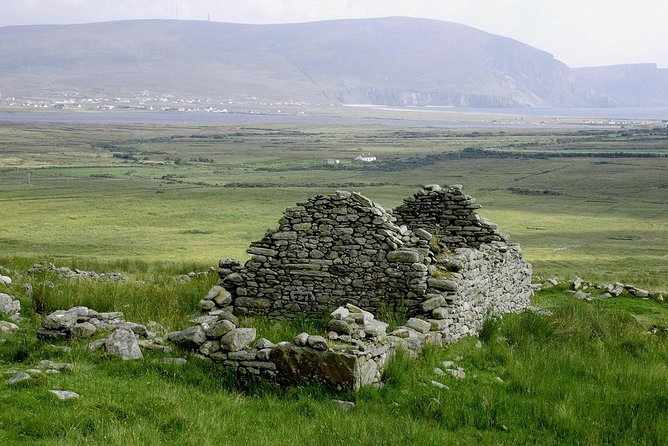
You can get help with language. A translation guide is available in French, German, Italian, and Spanish, which means you are not stuck only with English if that would make the story harder to follow.
Also, because it is a pop-up running only during a set period, the physical feel matters. Think compact and temporary rather than grand and permanent. One of the most common strengths people point to is that the exhibit limits extra fluff. You get the essentials, and you get them in a straightforward layout.
On the comfort side, plan for typical mall-like indoor conditions. There is no claim of specialty climate control here, and at least one visitor flagged warmth in the film area. If you are coming in hot weather, a light layer helps.
Rare Aerial Views of St Stephen’s Green: Why This Dublin Detail Matters
The aerial views of St. Stephen’s Green park might sound like a side note, but it is not. It is a way of anchoring the famine story in a Dublin you can orient to.
When you see aerial perspectives of a place you can stand in later, it helps your brain stop treating the Great Hunger like a distant tragedy. You start thinking about how Ireland changed, how communities got reshaped, and why migration followed.
This detail also makes the experience more rewarding if you plan to walk around the park afterward. You can connect your day in modern Dublin to the story you just learned, without forcing the connection.
Price Value: Is $18.15 Worth It?
At $18.15 per person, this is a relatively accessible price for a focused historical exhibit. The value comes from several things working together:
- The visit is about 1 hour, so you are buying time, not half a day.
- The admission includes the documentary film, which adds a different learning mode.
- You get an advance mobile ticket option, which helps you avoid wasted time at the door.
It is not a premium museum experience with a long guided narration. It is a practical, information-forward exhibit that prioritizes learning over spectacle. If your goal is to understand the famine clearly and quickly, the price makes sense.
If your goal is a long, guided deep-dive with lots of multimedia, you may want to compare with other museum options. But for a standalone educational stop that fits into a typical Dublin day, it is strong value.
What the Famine Story Focuses On, and Why You Might Leave Thinking
The exhibition does more than describe potato failure. It frames the disaster as a chain of human choices and institutional response. In plain terms, it pushes you to ask why a crisis became a catastrophe, and how slow response can magnify suffering.
You also learn why emigration followed at enormous scale. One review specifically mentioned the shock of understanding how millions of Irish people were forced to leave. That kind of takeaway is hard to get from short travel conversations, and it is one reason this exhibit earns such a high recommendation rate.
And it does not stay trapped in the 1800s. At least one visitor said it made them think about more recent food insecurity issues, connecting the logic of how societies respond to hardship. That does not mean the museum tries to predict the future. It means the lesson has present-day emotional weight.
The overall effect is serious. People describe feeling affected, emotional, and even angry, especially when they see how government and landowner actions influenced outcomes.
Should You Book This Irish Famine Museum Exhibition?
Book it if you want a high-impact, short stop that explains the Irish Potato Famine in a simple, direct way. It is a good choice when you prefer self-guided learning, appreciate historical photos and period artefacts, and do not mind reading posters in a compact room.
I would skip it, or at least adjust expectations, if you are hoping for a long guided tour or a museum experience built heavily around audio and video. The main video piece is the 15-minute documentary, and the rest is mostly you walking and reading. Also, if you hate warm indoor spaces, plan for that film area comfort factor.
If you fit the middle ground, this one is easy to recommend. With a strong rating and 93% recommending it, it tends to land well for people who want clarity, not clutter, and who like learning from real objects and old newspapers.
FAQ
How long is the Irish Famine Museum exhibition experience?
It is about 1 hour (approx.).
Where does the experience start?
It starts at Stephen’s Green Shopping Centre, St Stephen’s Green, Dublin, D02 HX65, Ireland.
Is this a guided tour?
No. It is self-guided, so you explore at your own pace.
What is included with admission?
Admission includes a short documentary film of about 15 minutes.
Do I need to buy a paper ticket?
No. You receive a mobile ticket.
Is there any translation support?
Yes. A translation guide is available in French, German, Italian, and Spanish.
Are children allowed?
Children must be accompanied by an adult.
Are service animals allowed?
Yes, service animals are allowed.
What are the opening hours during the 2026 season?
From 12:00 PM to 6:00 PM, Monday through Sunday, during the listed period from 04/01/2026 to 09/30/2026.
What is the cancellation policy?
You can cancel for a full refund if you cancel up to 24 hours in advance of the experience start time.
Fresh options around Dublin
- Wicklow Mountains Private Day Tour including Glendalough★ 5.0 · 7 reviews
- Wicklow: Private Day Tour from Dublin★ 5.0 · 5 reviews
- Women Of Ireland: Trailblazers & Pioneers★ 5.0 · 4 reviews
- Wicklow Mountains & Glendalough Luxury Private Day Tour★ 5.0 · 23 reviews
- Wicklow tour of Glendalough★ 4.5 · 8 reviews
- Dublin To Kilkenny Castle Waterford Crystal Private Car – Day Tour★ 5.0 · 8 reviews
- Waterford Crystal and Kilkenny Full-Day Rail Tour from Dublin★ 5.0 · 3 reviews
- Full Day Private Wicklow Tour★ 5.0 · 12 reviews
Museums, compared.
The Little Museum of Dublin Famous Guided Tour
Read our review →

Giant’s Causeway with the Titanic Exhibition and the best of Northern Ireland
Read our review →

Irish Whiskey Museum: Whiskey Blending Experience
Read our review →
Irish Whiskey Museum Blending Tour with Tastings
Read our review →Browse the lists this tour appears in