
Reviewed · HISTORICAL TOURS
Dublin: Jeanie Johnston Tall Ship Irish Famine History Tour
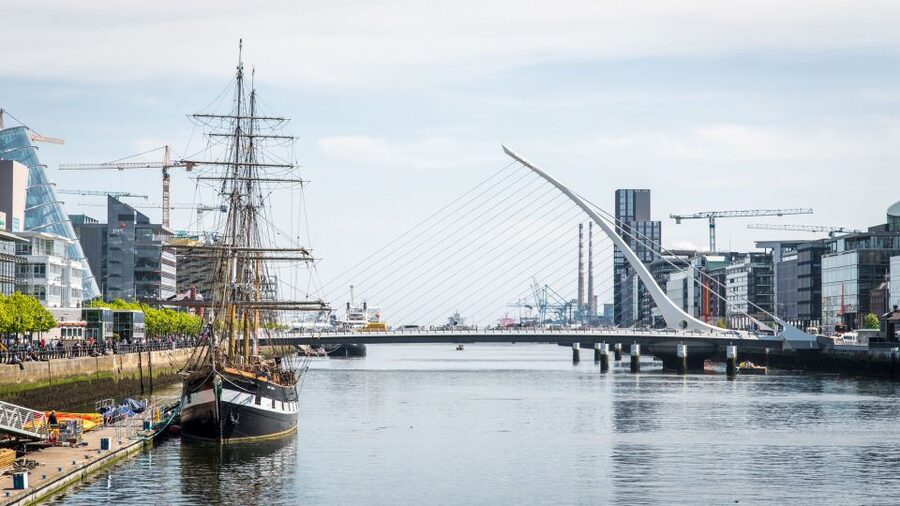
The Jeanie Johnston Tall Ship Irish Famine History Tour is interesting because it turns Dublin’s Docklands into a direct line to the Irish famine story of emigration. You do not just read about what happened, you hear it tied to the ship itself, from deck to deck, with the cramped, real-feeling details doing the heavy lifting.
I love the upper-deck walk that mixes sailing ship history with Dublin sights, plus the simple pleasure of being out on the dock air and taking photos at one of the area’s best-known sights. I also love the below-deck section, where the tour gives you a clear sense of how crowded, uncomfortable, and frightening the voyage could be for passengers.
One consideration: this is not an easy-going, fully accessible experience. It is not recommended for people with limited mobility, and it is not suitable for wheelchair users, since you climb aboard and move through tight spaces.
Key highlights you should clock before you go
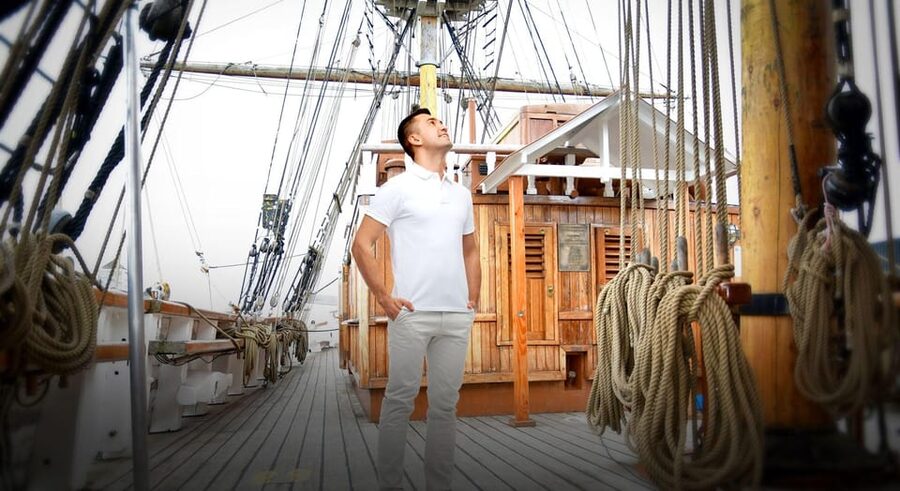
- A tall ship in Dublin that teaches with storytelling, not just signage
- Upper-deck views of the Docklands, plus the ship’s timber-to-people career change
- Below-deck living quarters with the “only half an hour of fresh air” reality check
- Stories of passengers and crew, including how crossings were paid for and what people ate
- Humor and seriousness from top guides, with many visitors praising guides like Steve, Claire, and Eoin
- A 50-minute format that covers a lot without dragging on
The Jeanie Johnston in Dublin Docklands: Why this ship matters
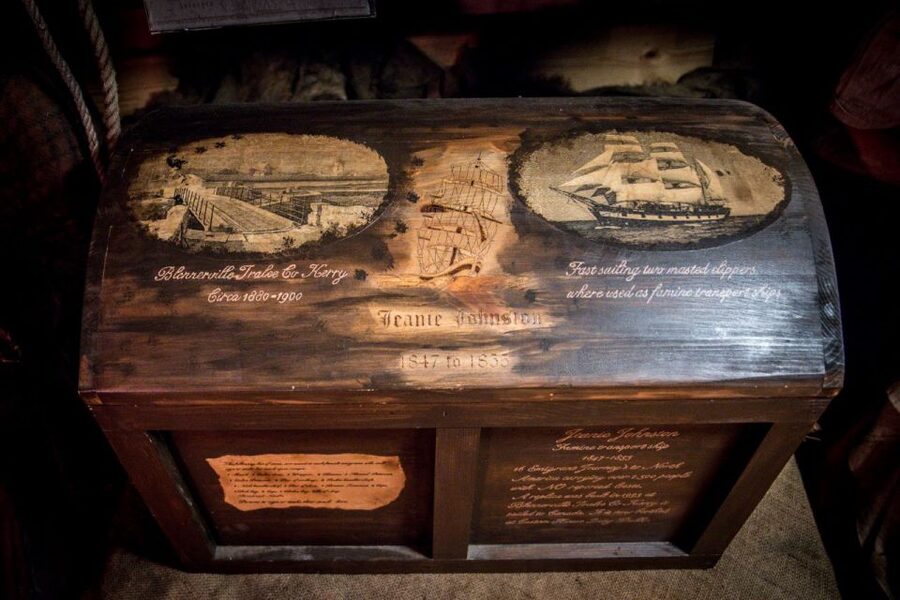
This tour is built around one striking idea: the Irish famine story is easier to understand when you can picture it inside the space where people lived. The Jeanie Johnston was a working tall ship, and the tour uses that physical setting to bring the emigrant experience closer to you.
You start in Dublin’s North Dock area, at the City Moorings on Custom House Quay (Dublin 1). From there, the guide frames the big picture first, including the scale of Irish emigration during the famine years, and then narrows in on this specific ship story. In the famine-era migration, about one million Irish people fled, and the tour highlights that 2,500 of them took the gruelling voyage on the Jeanie Johnston.
If you care about history, I think you’ll appreciate that this does not stay abstract. It keeps pointing back to daily life on board, which is where the emotional weight lands. The guide’s job is to help you connect events to bodies, routines, food, and fear, not just dates.
More history tours in Dublin:
- Dublin Historical Centre Food Tour with 8 Food Tastings & Drinks
★ 5.0 · 1,718 reviews - 2-Hour Historical Walking Tour from Dublin
★ 5.0 · 875 reviews - Historical 2-Hour Guided Walking Tour of Dublin
★ 4.7 · 865 reviews
Getting to Jeanie Johnston: meeting point and the 50-minute pacing
The tour meets at Jeanie Johnston Tallship, City Moorings, Custom House Quay, Dublin 1. It ends back at the same meeting point, so you are not stuck figuring out how to finish your day once you’re done.
Duration is 50 minutes. That timing matters more than you might think. It is long enough to cover both upper-deck and below-deck areas, but short enough that you can still enjoy the rest of Dublin Docklands afterward. If you are balancing a tight sightseeing schedule, this is a big plus.
Also, there is no hotel pickup or drop-off included. Plan to get yourself to the ship on your own, wearing comfortable shoes. The tour is not recommended for people with limited mobility, and it is not suitable for wheelchair users, so if you have any walking or stairs challenges, you’ll want to think ahead.
On the upper deck: masts, ship history, and Docklands views
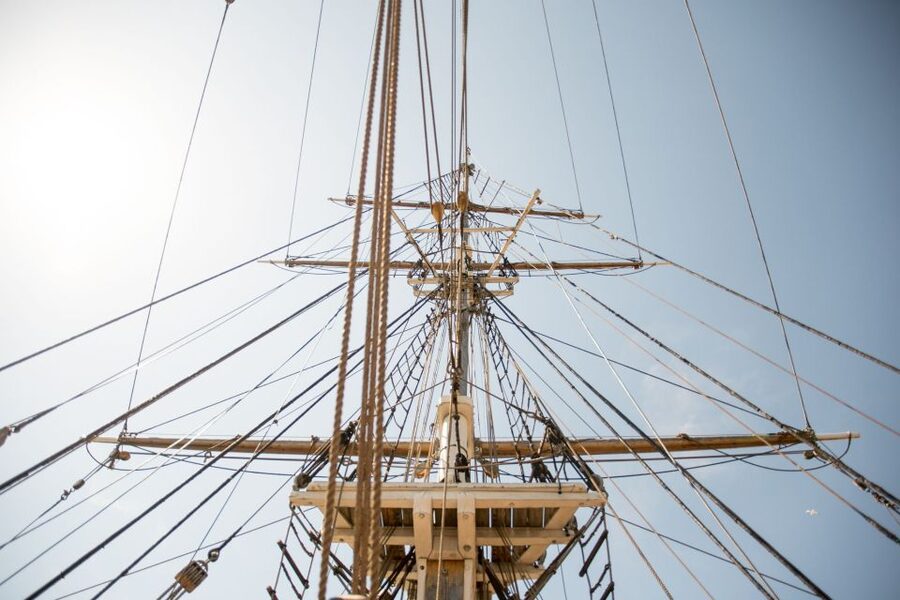
The tour begins above deck with a walk around the upper area. This is where the Jeanie Johnston becomes a ship, not a museum object. You get a look at the majestic masts and the craftsmanship, and you also learn why the original ship changed its career.
One of the most interesting points the guide covers is the ship’s transition from transporting timber to transporting people. That shift turns the Jeanie Johnston from a simple tall ship story into a migration story, because the same practical shipping trade that moved goods also made long ocean crossings possible for emigrants.
While you’re up there, you also get the Dublin payoff: views and atmosphere from the Docklands perspective. You’ll feel the wind in your hair and take in that salty sea air, with gulls calling overhead. It is a small sensory touch, but it helps your brain “place” the voyage in the real world.
You should also plan for photos. The tour includes time to get a snap of yourself on one of the area’s most photographed attractions. If you have ever walked past the ship and thought it looked neat, this is the moment to stop and actually use the vantage point.
The guide also brings in the bigger tall ship and shipping trade context from the 19th century, and then ties it back to the Jeanie Johnston story, including details on the original ship and the building of the replica. Even if you only remember one thing from the first half, I recommend you leave remembering the “why” behind the ship’s design and how it supported ocean travel.
Below deck living quarters: cramped life, food, and the voyage risks
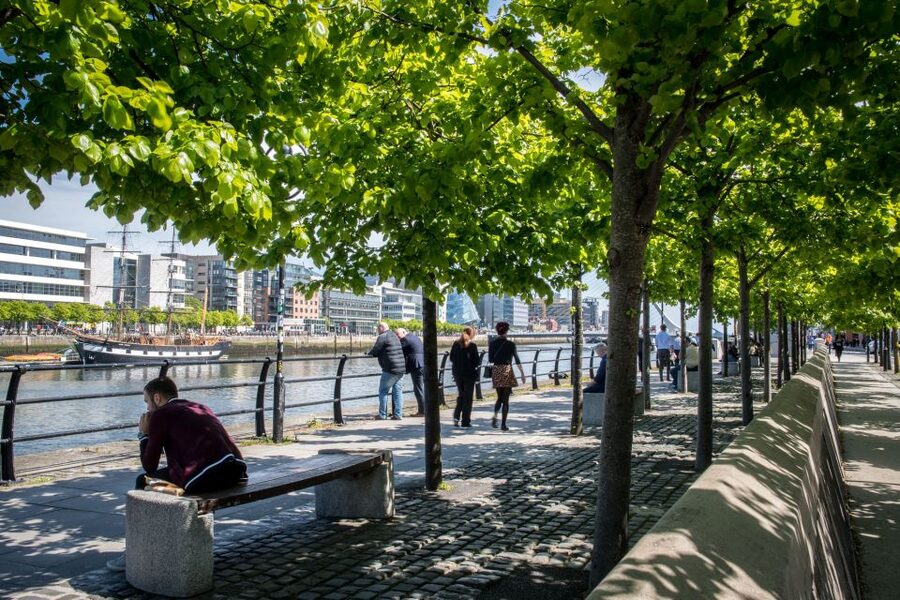
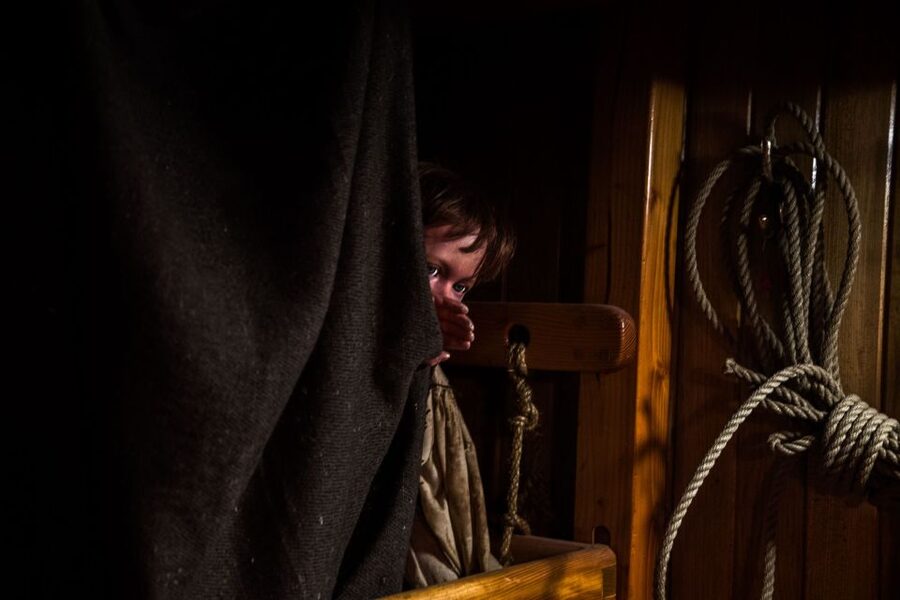
Then you go below deck, and the tone shifts. This is the heart of the tour, because it gives you a sense of how little personal space emigrants had.
Inside, the tour focuses on the cramped living quarters where up to 250 passengers spent most of their time. The guide highlights that people only emerged for about half an hour of fresh air each day. That single detail helps you understand that the voyage was not just long, it was physically punishing.
You also meet passengers and crew through the guided storytelling experience. Expect personal stories, plus practical details such as how emigrants paid for their crossing. You’ll also hear about what people ate during the long ocean trip, which turns the history lesson into something you can imagine in your own body.
The guide doesn’t shy away from the grim parts. You learn about the risks passengers faced, including disease, starvation, and disaster. This is where you start to feel why emigration could be described as desperation, not opportunity. The ship space is limited, the conditions are harsh, and the journey is unpredictable.
A careful note here: one review mentions hearing the detail that the Jeanie Johnston completed 16 voyages to America without deaths. You may hear that type of standout detail during your visit, but even if the exact number is not what you remember afterward, the tour’s goal is clear. It wants you to grasp how dangerous the circumstances were, even within the ship’s survival story.
Finally, the guide brings in what people did to pass the time and what fates awaited them on the other side. That ending helps the tour feel like more than a ship tour. It becomes a bridge between Ireland’s famine years and the new reality emigrants faced.
Same city, a different sort of day out:
- Dublin to Cliffs of Moher, including Wild Atlantic Way and Galway
★ 5.0 · 23,331 reviews - From Dublin: Cliffs of Moher, Burren & Galway City Day Tour
★ 4.8 · 18,888 reviews - Dublin: Guinness Storehouse Entry Ticket
★ 4.6 · 16,863 reviews - Dublin to Cliffs of Moher, Burren, Wild Atlantic Way, Galway Tour
★ 5.0 · 12,924 reviews
Guides make the difference: what you can expect from the storytelling
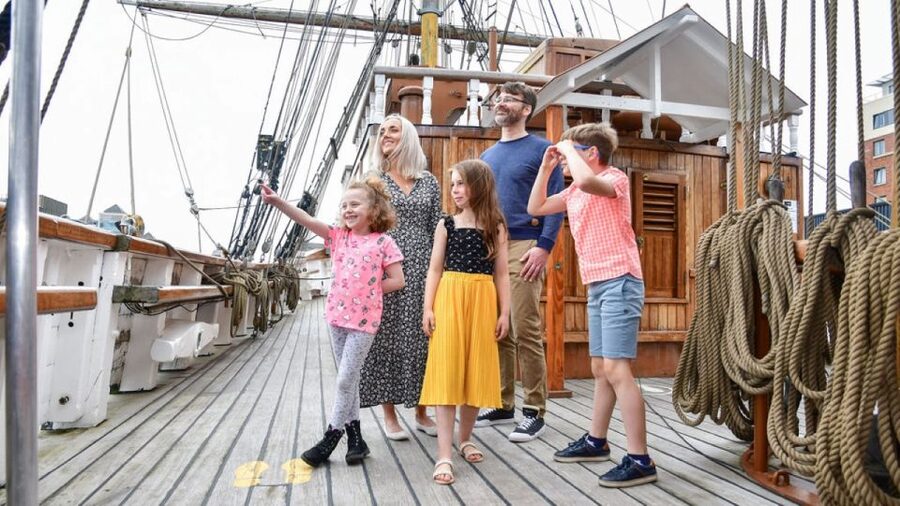
What people consistently praise is not just the ship, it’s the guide. In the reviews, names like Josh, Steve, Claire, Eoin, Owen, Ronan, Gearoid, Rolland, and Katrina come up again and again, and the common theme is clear: guides do a strong job of explaining without turning the story into a lecture.
You’ll often hear about how guides tell stories well, explain clearly, and answer questions. Several guides are described as blending humor with seriousness, which matters because this subject is heavy. You want enough human warmth to stay engaged, but you also want the facts to land.
Examples from the review details you were given include:
- Steve praised for being friendly, informative, and clear, including answers to questions
- Claire praised for humor and knowledge, making the experience engaging
- Eoin described as bringing seriousness with humor
- Josh praised for story telling that made the emigration feel real
- Owen praised for being well informed and answering questions
- Katrina praised for getting visitors involved, even asking where people came from
If you’re choosing between history tours in Dublin, guide quality is a genuine deciding factor. Here, it seems like the guides treat this as both education and human story, and that is exactly what you want for a famine history experience.
Price and value: what $16 gets you for 50 minutes
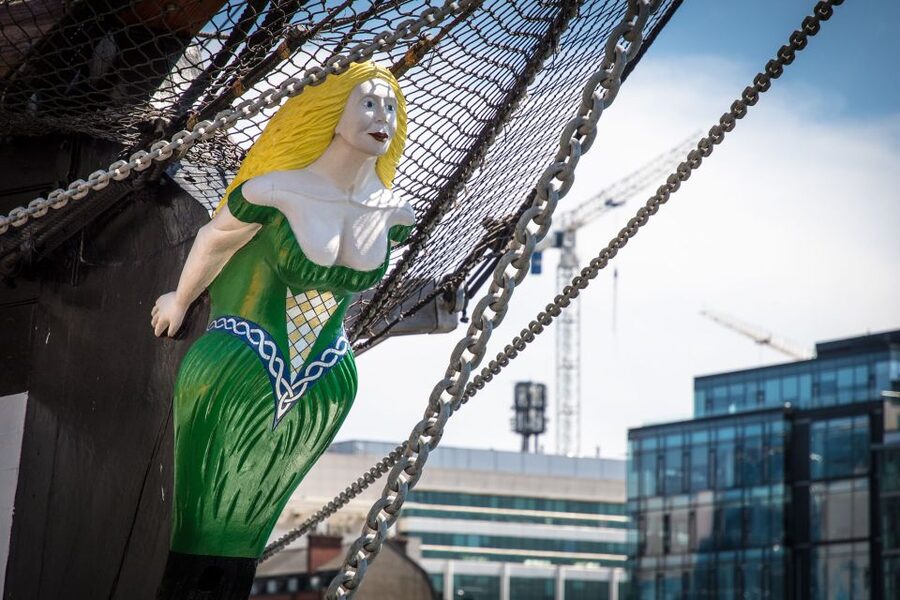
At $16 per person, this is priced like a practical attraction you can fit into a day, not a big multi-hour museum commitment. For me, the value comes from two things you cannot fake with a cheap ticket: access to the ship and guided explanation inside the ship.
You are not paying only for a view from the dock. You are paying for a structured tour that takes you above deck and below deck, covering both the ship’s mechanics and the human experience of the crossing. The below-deck portion is especially where the value shows up, because it is easy to walk past ships and think, I see the shape, but I don’t understand the life inside.
Also, the tour is rated 4.8 with 431 reviews in the provided information. That kind of rating matters here because the experience depends on the guide, and consistency is a good sign.
Would I call it “worth it” for everyone? Not automatically. If you want a light, casual activity, the famine history content will feel intense. If you want a fast, focused history experience that uses the ship setting to make the story tangible, the pricing feels like a fair trade.
Who should book this Jeanie Johnston famine history tour
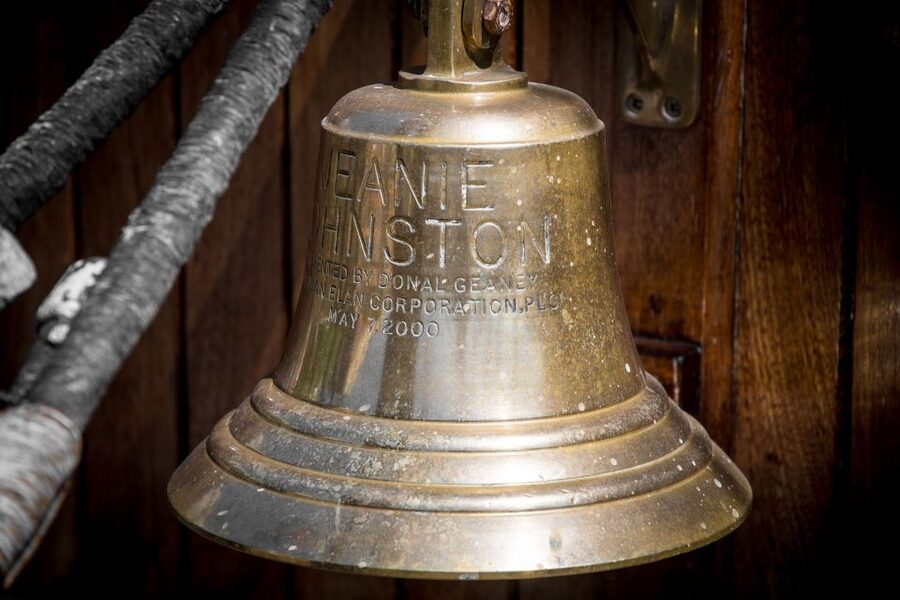
This tour is a strong fit if you:
- want a short, structured history experience with a clear beginning and end
- like hands-on, place-based learning, where the ship shape and space affect your understanding
- care about Irish history and the emigration story during the famine years
- enjoy photo-worthy sights, but want the photo to come with context
It is also a good pick for families who can handle serious topics. One review notes it kept a 10-year-old and another says it engaged kids aged 7 to 15, with the guide tailoring the feel through humor and clarity. That doesn’t mean every child will love it, but it suggests the guides can handle mixed ages.
This is not a good fit if you:
- need wheelchair access
- have limited mobility that makes climbing aboard and moving through tight spaces difficult
If you fall into that group, you might still want to visit the ship area from outside, but you should not count on this specific guided experience being workable indoors.
Should you book? My practical verdict for your Dublin day
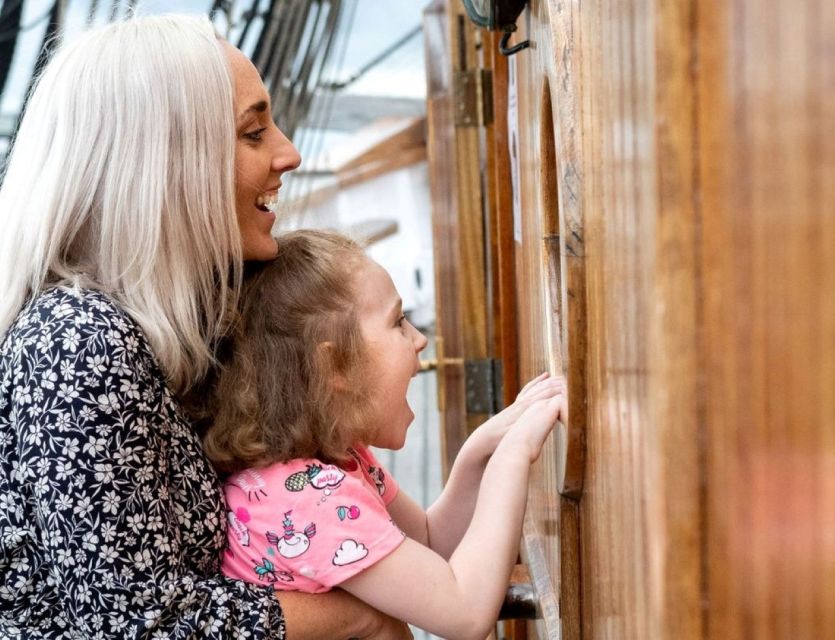
Book it if you want a guided, ship-based famine history experience that uses the Jeanie Johnston’s physical spaces to make the story clear. The 50-minute pacing is ideal when you want depth without eating your whole afternoon, and the strong guide reputation, with praised names like Steve, Claire, and Eoin, is a good sign that you’ll leave with the story stitched together instead of scattered.
Skip it if you dislike emotionally heavy content or if accessibility limits make below-deck, crowded areas a non-starter. Also skip it if you’re looking for a casual wander. This tour has a plan, and it moves deck to deck with purpose.
If you’re the type of traveler who likes meaningful stops that feel real, this one belongs on your Docklands route.
FAQ
How long is the Jeanie Johnston Tall Ship Irish Famine History Tour?
The tour lasts 50 minutes.
Where does the tour start and end?
It starts at Jeanie Johnston Tallship, City Moorings, Custom House Quay, Dublin 1, and ends back at the same meeting point.
What is included with my ticket?
Your ticket includes entrance and access to the guided tour of the Jeanie Johnston Tallship.
Is hotel pickup or drop-off included?
No, hotel pickup and drop-off are not included.
What language is the live guide speaking?
The live tour guide speaks English.
What should I bring or wear?
Wear comfortable shoes.
Is the tour suitable for wheelchair users?
No. It is not suitable for wheelchair users, and it is not recommended for people with limited mobility.
Is there free cancellation?
Yes. Free cancellation is available up to 24 hours in advance for a full refund.
Can I reserve now and pay later?
Yes. The option to reserve now and pay later is available, meaning you can book your spot and pay nothing today.
Fresh options around Dublin
- Wicklow: Private Day Tour from Dublin★ 5.0 · 5 reviews
- Wicklow Mountains Private Day Tour including Glendalough★ 5.0 · 7 reviews
- Women Of Ireland: Trailblazers & Pioneers★ 5.0 · 4 reviews
- Wicklow Mountains & Glendalough Luxury Private Day Tour★ 5.0 · 23 reviews
- Wicklow tour of Glendalough★ 4.5 · 8 reviews
- Dublin To Kilkenny Castle Waterford Crystal Private Car – Day Tour★ 5.0 · 8 reviews
- Waterford Crystal and Kilkenny Full-Day Rail Tour from Dublin★ 5.0 · 3 reviews
- Full Day Private Wicklow Tour★ 5.0 · 12 reviews
Historical Tours, compared.
Dublin Historical Centre Food Tour with 8 Food Tastings & Drinks
Read our review →
Historical 2-Hour Guided Walking Tour of Dublin
Read our review →
Dublin to Cork, Blarney Castle & Cóbh Heritage Centre by train
Read our review →
Deliciously Dublin: The Artisan Donut Walking & History Tour
Read our review →
Hidden Dublin: Haunted History Walking Tour v2.0 2026
Read our review →
Dublin Private Highlights & History of 1916 Easter Rising Tour
Read our review →Browse the lists this tour appears in