

Reviewed · HISTORICAL TOURS
Dublin, in a day, on foot. History, culture & architecture!
This is a great way to see Dublin in one day because you get a private guide and a route built for quick orientation. You’re not stuck with a fixed circuit either, so if you care more about literature, architecture, or big landmarks, you can steer the day to match.
I particularly like the way the tour connects names and stories to real places, starting in the Georgian quarter around Merrion Square and moving into major civic sites. And I love the mix of big sights and detail stops, like the Nobel medal for literature and the WB Yeats passport, plus the chance to swing by historic spots tied to James Joyce and Oscar Wilde. One drawback to consider: admissions are not included, so plan extra time and money for places like Dublin Castle and St Patrick’s Cathedral, and it is still an 8 hour walking day, rain or shine.
Key highlights worth planning around
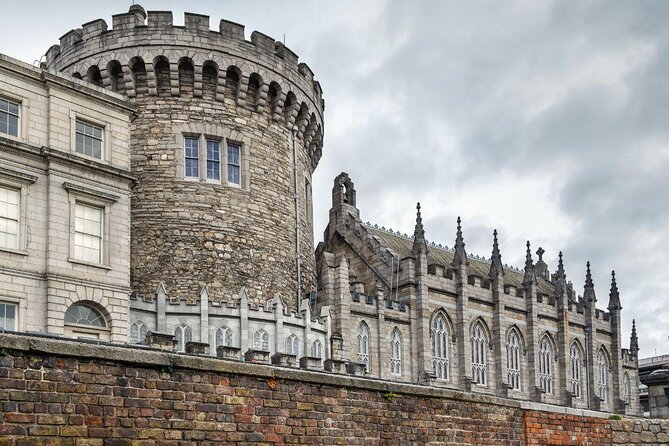
- Merrion Square literary focus, with Nobel medal for literature, the WB Yeats passport, and stops tied to Joyce and Oscar Wilde
- A more interesting route to the Castle via central Dublin streets with Georgian ceilings and a pub break that fits the day
- Dublin Castle’s State Apartments and St Patrick’s Hall, plus the Revenue Museum for a unique angle
- St Patrick’s Cathedral (dating from 1195) with tombs, monuments, and Johnathan Swift’s burial connection
- Marsh’s Library, where the old book-loan setup feels straight out of a Harry Potter movie
- Flexible pacing at the end, with the option to return where you started or choose another destination
A Dublin day on foot that doesn’t feel like a checklist
Dublin can be overwhelming fast. Streets repeat, neighborhoods blend, and you end up walking more than you’re actually learning. This private walking format fixes that problem. Your guide sets the tempo, explains what you’re seeing, and helps you get the meaning behind the architecture and landmarks, not just their names.
The route is also designed for real first-time visitors. You start in the Georgian quarter, work through central Dublin, hit Dublin Castle, then close with St Patrick’s Cathedral and St Stephen’s Green. In about 8 hours, you get the backbone of the city, plus enough story to make the rest of your trip make sense.
The big advantage is customization. Since it’s private, you can say what you’re into and the guide can build the day around you. If you’re a literature person, you’ll feel that from the first stop. If you’re more into political history and civic power, the Castle portion does that job. And if you just want a good day of walking with smart context, you’ll get it too.
More history tours in Dublin:
- Dublin Historical Centre Food Tour with 8 Food Tastings & Drinks
★ 5.0 · 1,718 reviews - 2-Hour Historical Walking Tour from Dublin
★ 5.0 · 875 reviews - Historical 2-Hour Guided Walking Tour of Dublin
★ 4.7 · 865 reviews
Price and what the cost really buys you

This tour costs $520.57 per group for up to 10 people, and it’s typically booked about 117 days in advance. That group pricing is the key detail. If you have four people, it can feel like a premium, but it often becomes very fair if you’re splitting between a small group of friends or family.
Here’s how I’d think about value: you’re paying for (1) a dedicated guide, (2) a route that runs from neighborhood to neighborhood without you getting lost, and (3) flexibility so you can spend time where you actually care. Admissions are not included, so don’t treat this like an all-in ticket, but the guide time covers a lot.
Also, a private guide is not just about convenience. It’s about context. When you stand in front of Dublin Castle and someone explains what the throne room and St Patrick’s Hall meant for generations, you feel it in a way you usually don’t on your own. When you’re in Marsh’s Library and hear why the old system worked the way it did, the place turns from photo-worthy to memorable.
Starting and finishing at Grafton Street, and how to time your day
The tour meets at Grafton Street in Dublin and ends back at Grafton Street. That’s practical because it’s easy to arrive by foot and nearby public transport helps if you’re connecting from another plan.
The day is built with a few anchor blocks:
- A longer first section around Merrion Square (about 3 hours)
- A middle push toward Dublin Castle (about 1 hour, with a break)
- Dublin Castle itself (about 2 hours)
- St Patrick’s Cathedral plus the walk through the park (about 1 hour)
- A final hour with Marsh’s Library and then the closing return
Because it is about 8 hours, I’d treat it as a main event. If you’re on a layover, you want enough time to avoid rushing, rain delays, or long museum lines. Bring comfortable walking shoes. Dublin weather can change quickly, and you still want your body to feel good while your brain is busy learning.
Merrion Square to Oscar Wilde, with Yeats, Nobel, and Sweny’s on the table
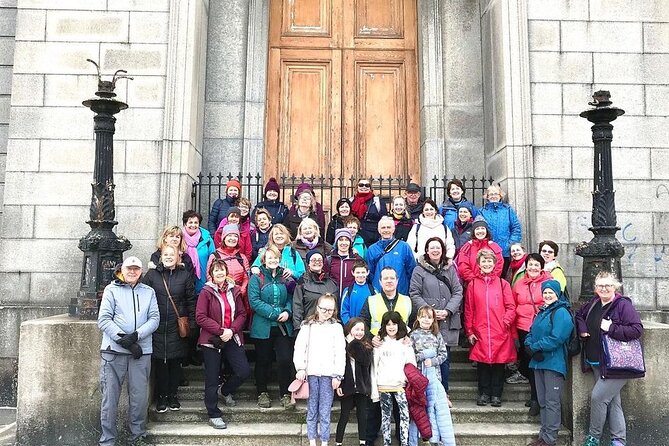
Your day begins in the Merrion Square area, in that elegant Georgian pocket where Dublin feels like it’s been carefully arranged. The guide’s first goal is to get you grounded in what makes this city tick: art, literature, and the layers of public life.
You’ll do a quick tour of highlights with an emphasis on cultural stops, including:
- Art and literature connections tied to major Irish figures
- Treasures linked to the archaeological museum
- Specific literary artifacts, including the Nobel medal for literature and the WB Yeats passport
Then the route becomes personal. If James Joyce is your interest, you’ll have the chance to call into Sweny’s, a chemist shop that opened in 1847 and has changed little over time. It’s known for being featured in a scene from Joyce’s masterpiece, and it now operates as a Joyce Centre run by volunteers. Occasionally, you may even hear a song in that setting, which is the kind of detail you won’t stumble into by accident.
Oscar Wilde also factors into this first stretch. The guide uses the area to tie his name to what you can actually see on the street, which makes the day feel less like a lecture and more like walking through a living bookshelf.
What I like here: this start gives you momentum. You learn how to read Dublin’s identity before you hit the big government buildings.
What to watch: if you’re not into literature, this portion might feel more story-heavy than museum-heavy. Still, the architecture and civic context are worth it even without the literary angle.
Same city, a different sort of day out:
- Dublin to Cliffs of Moher, including Wild Atlantic Way and Galway
★ 5.0 · 23,331 reviews - From Dublin: Cliffs of Moher, Burren & Galway City Day Tour
★ 4.8 · 18,888 reviews - Dublin: Guinness Storehouse Entry Ticket
★ 4.6 · 16,863 reviews - Dublin to Cliffs of Moher, Burren, Wild Atlantic Way, Galway Tour
★ 5.0 · 12,924 reviews
Grafton Street’s central pull, Georgian ceilings, and a smart break
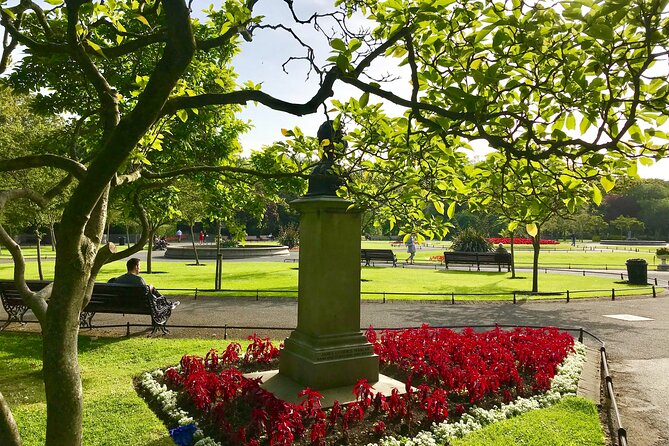
After Merrion Square, you head toward Dublin Castle with a route that’s intentionally more interesting than the fastest straight line. You’ll walk across central Dublin with a mix of shops, pubs, restaurants, and heritage buildings, including a focus on Georgian ceilings.
This is also usually when you’ll take a break in an old pub that does food well. The guide has plenty of suggestions, so you’re not left guessing which place is worth your time. Food and a short rest matter here because the next stop involves real time in and around Dublin Castle.
If you’re thinking, I want the day to feel like a tour, not a slog, this mid-route design helps. You get variety in the walking, then you get a breathing point before the biggest landmarks.
Dublin Castle: State Apartments, St Patrick’s Hall, and a history you can walk through
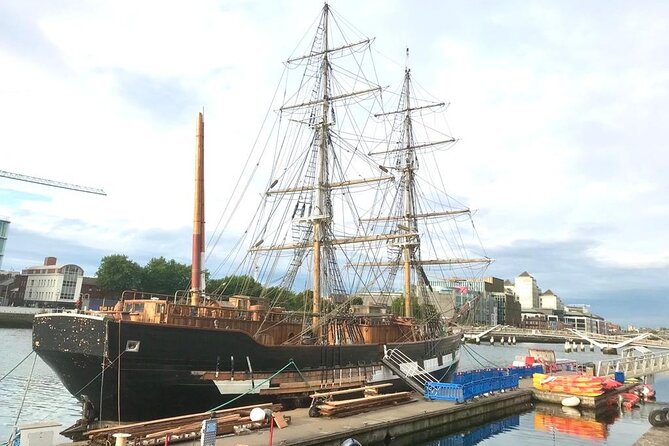
Dublin Castle is the kind of place that sounds important, but it’s the details that make it memorable. The guide frames it as the seat of British rule for over 700 years, then you move through a complex of buildings where the purpose of different rooms becomes clearer as you go.
You can expect focus on:
- The State Apartments
- The former throne room
- St Patrick’s Hall, where Presidents are inaugurated
- The Revenue Museum, which adds a tax and administration angle that’s a nice change from only court and monarchy stories
Don’t skip the gardens feel either. The rear gardens are a welcome pause from the heavy history. And if your timing works out, there’s a nearby restaurant at the Chester Beatty Museum area that the guide points out as a popular option.
Admissions for Dublin Castle are not included, so budget for that. The practical benefit of going with a guide is time efficiency. You’ll know what to look at, what matters most, and how different spaces connect to the story the guide is telling.
The real value here: Dublin Castle is both political history and modern public life. St Patrick’s Hall bridging presidential inaugurations is the kind of link that makes you understand Dublin as something that kept changing, not just something frozen in the past.
St Patrick’s Cathedral and the Swift connection you actually remember
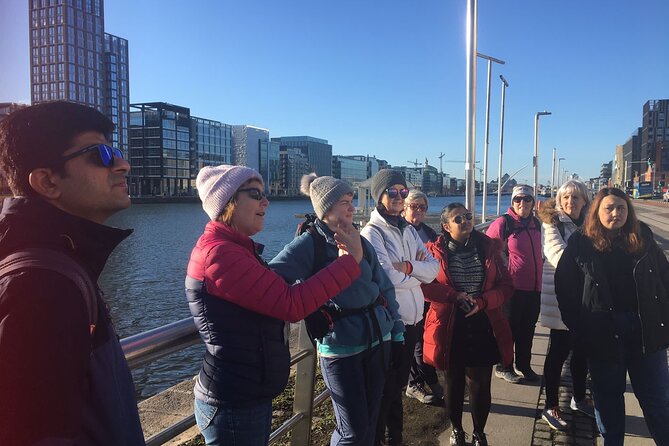
Next comes St Patrick’s Cathedral, described as the largest cathedral in Ireland and dating from 1195. It’s not just grand. It’s emotionally loaded in the way major national sites often are, with tombs and monuments and a mix of happy and sad history.
Before you even enter the main cathedral area, you get a few quick city looks:
- Dublin City Hall if it is open
- Burdocks, the famous fish and chip shop, with a list of notable people who have enjoyed it
Then you walk across St Patrick’s Park to reach the cathedral. Inside, the guide focuses on what you can’t easily pick up from signage alone, including a key literary connection: Johnathan Swift, author of Gulliver’s Travels, was Dean here and is buried in the cathedral.
Admissions are not included, so add that cost to your day plan. Also note the time block is about an hour, so it’s best to be ready to walk in, look, and absorb, rather than treat this stop like a half-day museum visit.
Why this stop works for a day itinerary: it gives you a deep sense of identity and continuity, and Swift’s burial connection makes the site click if you’re even casually familiar with his writing.
Marsh’s Library and the closing loop back toward St Stephen’s Green
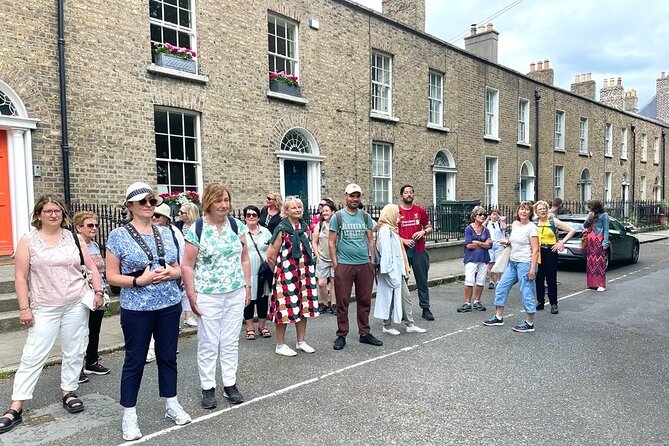
The final act moves you back toward the central area via Marsh’s Library. This is the oldest public library in Ireland, founded by Archbishop Narcissus Marsh, and it has that magical quality people associate with old book places. The guide points out the cages you might have been locked into if you wanted to borrow books, which sounds oddly specific until you see the setup and suddenly understand the system.
Marsh’s Library is a great last stop because it rewards attention. You don’t just look at objects. You learn how the place functioned. The guide’s goal here is to make you feel the human side of access to knowledge, not just admire the building.
Then you get a little flexibility for the end of the walk. The plan is to return to the same place you met at Grafton Street, but the guide is open to other destinations if you prefer. That means if something along the route sparks your interest, you don’t have to cut it off because of a rigid finish line.
St Stephen’s Green is the thematic anchor for this closing loop. Even if the day feels packed, ending with a park-adjacent vibe helps your brain cool down after big interiors and heavy history.
How to customize this day without getting lost in choices
Since this is private, customization is the superpower. But customization can also become chaos if you don’t steer it.
Here’s how I’d do it:
- Pick one theme for your top priority: literature, political history, or architecture and monuments.
- Tell the guide your must-see items early, especially at Merrion Square, since that’s where the literary stops are strongest.
- If your feet or weather need a reset, ask to shift time toward indoor or sheltered spots. The day is built to adapt, not punish you for a rainy afternoon.
If you have specific interests like the Book of Kells, it’s worth asking about fitting it in during the day. The tour format is designed to match what you want to see, rather than forcing you into a fixed list of stops that might not hit your personal targets.
Who should book this Dublin walking tour, and who might not
This tour is ideal if:
- You want a first-time Dublin orientation that still feels personal
- You care about architecture plus the stories behind the buildings
- You like asking questions as you walk, not after you’ve already left
- You have a small group (up to 10) and want the value of sharing guide time
You might want to consider another option if:
- You hate walking for long stretches, since this is still an 8 hour day on foot
- You prefer fully self-guided travel and don’t want a guide to shape your route
- You don’t want to pay additional admission fees, since major stops have admissions not included
Should you book this tour or go it alone?
If you want to understand Dublin fast, and you like your sightseeing paired with real context, I think this is a strong booking. The itinerary is built around high-impact landmarks, then backed up with detail stops that connect names like Yeats and Swift to specific places you can actually see. The private guide approach also means you’re not stuck if you get a crush on one street or you realize you care more about a certain era than you expected.
Book it if your goal is one great day that makes the rest of Dublin easier to explore. I’d skip it only if you’re set on self-guided wandering, you have very limited walking tolerance, or you know you’d rather spend your budget on admissions than on guide time.
FAQ
Is this a private tour?
Yes. It is a private tour/activity, and only your group participates.
How long is the tour?
The duration is about 8 hours.
How much does it cost?
It costs $520.57 per group, for up to 10 people.
Where does the tour start and end?
It starts and ends at Grafton Street, Dublin, Ireland.
Are admissions included?
No. Admissions are not included where applicable. The tour guide is included, but you’ll likely pay entrance fees for stops like Dublin Castle and Saint Patrick’s Cathedral.
Do I get a ticket on my phone?
Yes. The tour uses a mobile ticket.
What days and times does it run?
The listed operating hours are Tuesday to Friday, 9:00 AM to 5:30 PM (based on the date range shown).
Can I cancel and get a refund?
Yes. Free cancellation is available up to 24 hours in advance for a full refund.
Fresh options around Dublin
- Wicklow: Private Day Tour from Dublin★ 5.0 · 5 reviews
- Wicklow Mountains Private Day Tour including Glendalough★ 5.0 · 7 reviews
- Women Of Ireland: Trailblazers & Pioneers★ 5.0 · 4 reviews
- Wicklow Mountains & Glendalough Luxury Private Day Tour★ 5.0 · 23 reviews
- Wicklow tour of Glendalough★ 4.5 · 8 reviews
- Waterford Crystal and Kilkenny Full-Day Rail Tour from Dublin★ 5.0 · 3 reviews
- Full Day Private Wicklow Tour★ 5.0 · 12 reviews
- Dublin To Kilkenny Castle Waterford Crystal Private Car – Day Tour★ 5.0 · 8 reviews
Historical Tours, compared.

Dublin Historical Centre Food Tour with 8 Food Tastings & Drinks
Read our review →

Historical 2-Hour Guided Walking Tour of Dublin
Read our review →
Dublin to Cork, Blarney Castle & Cóbh Heritage Centre by train
Read our review →
Jeanie Johnston Tall Ship Irish Famine History Tour
Read our review →

Deliciously Dublin: The Artisan Donut Walking & History Tour
Read our review →
Hidden Dublin: Haunted History Walking Tour v2.0 2026
Read our review →Browse the lists this tour appears in