
Reviewed · WALKING TOURS
Dublin (Dun Laoghaire) Top-Rated Coastal Walking Tour
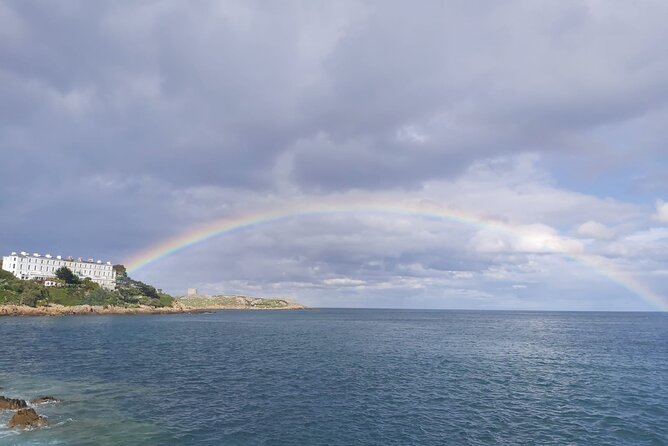
A coastal walking tour from Dún Laoghaire to Dalkey is interesting because it shows Dublin from the water side, with maritime and village history you simply do not get from the city center. You start right by the Dart line, then you gradually shift from harbors and parks into seaside villages and castle ruins.
I especially love two things. First, Marina Boyle brings the stories to life at a steady pace, with lots of local color. Second, I like that the tour includes a real anchor stop at the James Joyce Tower & Museum, including time to climb up for the rooftop views.
One possible drawback is that this is still a walking tour. Paths can be a bit uneven, and you will rack up serious steps, so plan on proper footwear and a slower, comfy mindset.
Key highlights at a glance
- Easy start near the Dart station in Dún Laoghaire, so you can get oriented fast
- Marina Boyle’s storytelling ties coastal sites to Irish maritime, railway, Viking, and Norman history
- James Joyce Tower & Museum included with a spiral staircase climb and rooftop viewpoint
- Coast plus villages so you get both big views and everyday neighborhood scenes
- Sandycove swim spot stop where people brave the cold and wind
- Finish at Dalkey DART station for a straightforward train ride back
Why this Dun Laoghaire to Dalkey walk feels different

This is not the usual “see Dublin’s main sights” plan. Instead, it leans into the coast and the suburbs that orbit the city like satellites. You get ocean air, sea walls, harbors, and those in-between places that feel lived-in. It is a very Dublin way to travel: close to the city, but not stuck inside it.
I like that the day is built around human scale stops. A harbor history bit. A park pause. A laneway story. Then a museum climb. This rhythm helps when you are walking but still want context. You also have time to ask questions, and the pace stays comfortable rather than sprinty.
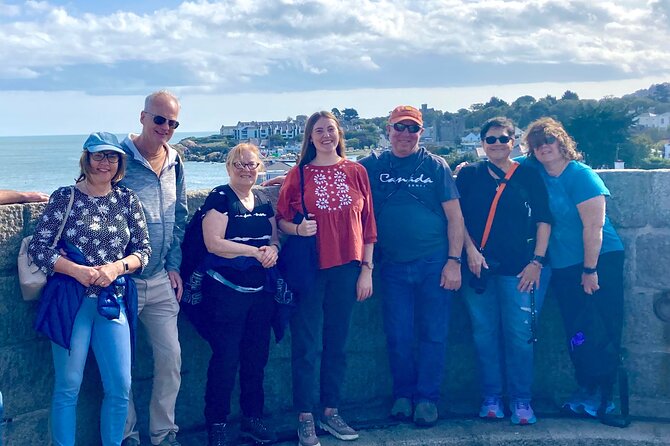
The tone is also friendly. The small group size, up to 20 people, makes it easier to actually connect with the guide and with other walkers. Several folks highlight how the tour feels like you made a few new friends, not just a number in a line.
More walking tours in Dublin:
- Dublin Highlights and Hidden Gems Guided Walking Tour
★ 5.0 · 6,020 reviews - Dublin: Highlights and Hidden Gems Walking Tour
★ 4.9 · 2,140 reviews - 1916 Rebellion Walking Tour
★ 5.0 · 1,605 reviews
Meeting point at Dún Laoghaire Harbour Road, then a guided story-walk
Your meeting point is 1 Harbour Rd, Dún Laoghaire. The good news is that it is easy to find if you’re using public transit, since it is near the DART station. If you are arriving from another part of Dublin by train, you can get your bearings quickly, then walk to the start without stress.
The tour ends at Dalkey DART station. This matters because it keeps the “getting back” part simple. You can take the train back to Dublin city centre, back to Dún Laoghaire, or onward to another DART stop. Train fare is not included, but at least you are not stuck arranging a complicated return.
Group size is capped at 20 travelers, and the experience is offered in English. That combination is ideal if you want a guided walk with enough structure to stay on track, but not so many people that you feel herded.
Timing note: it runs about 3 hours 30 minutes. In practice, you should plan for extra time if the weather changes your comfort level, or if you want to linger for photos at the harbors.
Stop by stop: what you’ll get from each coastal chapter
Dun Laoghaire Harbour, Pier history and maritime context
Your first stop is Dun Laoghaire Harbour. You get a chance to look at the pier and hear the history of the harbour right there outside. It is a classic “read the place” moment. Instead of learning facts in a lecture, you connect stories to what you can physically see: the water, the working feel of the waterfront, and the way this shoreline shaped local life.
This is also where the tour sets expectations. The guide frames the rest of the walk in a maritime lens. You start noticing things you might otherwise miss, like how transport and coastal industry overlap.
The downside is small but real: since this stop is outdoors and short, you need to keep your camera ready and your cold-weather layer accessible. When wind picks up, you will feel it at the harbour.
Same city, a different sort of day out:
- Dublin to Cliffs of Moher, including Wild Atlantic Way and Galway
★ 5.0 · 23,331 reviews - From Dublin: Cliffs of Moher, Burren & Galway City Day Tour
★ 4.8 · 18,888 reviews - Dublin: Guinness Storehouse Entry Ticket
★ 4.6 · 16,863 reviews - Dublin to Cliffs of Moher, Burren, Wild Atlantic Way, Galway Tour
★ 5.0 · 12,924 reviews
People’s Park, plus extra time on Sundays
Next is People’s Park, a beautiful local park stop with a quick pause. The purpose here is not just scenery. It is a reset point, a chance to stretch legs and reset your pace before the walk continues.
If you are on a Sunday, you spend extra time here to explore the farmer’s market. That is one of the best “why this tour, why this time” perks. It adds a more local, daily-life feel, not just historic points.
Even without the market, People’s Park works as a buffer stop. It keeps the day from becoming one long push along the shoreline.
The Metals laneway, railway history in a short walk
Then you move into The Metals, a historic laneway where you hear about railway history connected to Dun Laoghaire. This is one of those small places that rewards attention. A laneway can look like just a corridor, but in this context it becomes part of the transport story that helped shape the coast.
It is short, about 5 minutes, so you do not get dragged around. You get enough to understand why the place matters, then you keep moving.
A typical Irish village stretch, then toward the famous swim spot
Between stops, the route includes time through a typical Irish village and toward Dublin’s most famous swimming point. In plain terms, this is where the tour stops being only “history sightseeing” and becomes “seeing how people live along the coast.”
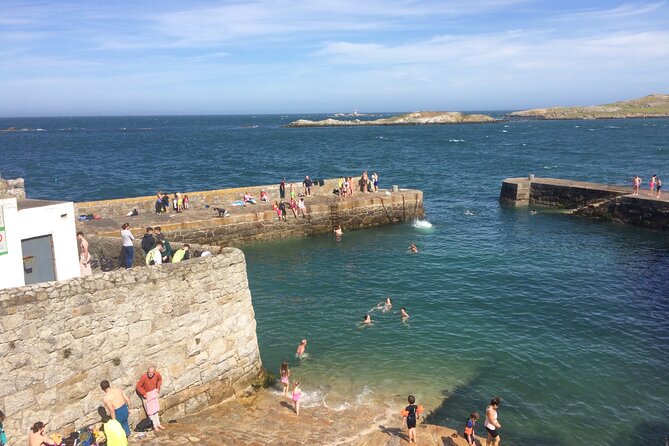
If the famous swim stop is on your day, it is Sandycove. I like this part because it adds a human detail. You learn why locals treat the water like a regular habit, even when conditions are cold and windy. It is a fun contrast to the postcard idea of Ireland as mostly rainy and couch-worthy.
One practical note: seaside wind changes how long you want to stand still for photos and stories. The guide keeps the pace steady, but you still should expect to be outside.
James Joyce Tower & Museum, spiral stairs and rooftop views
The biggest structured indoor component is James Joyce Tower & Museum. You enter the museum, hear the history, and then climb the spiral staircase up to the rooftop viewing point.
This is a strong stop for two reasons. One, it gives you a vertical change from the flat coastline. Two, the rooftop viewpoint is a natural “wrap your head around the geography” moment. When you look out from above, all those harbours, villages, and shoreline bends start to make sense as a connected system.
It is listed as about 20 minutes, and museum admission is included. That matters for value. If you have ever felt annoyed about paying extra for small museum stops on tours, this is one place where the ticket already covers a meaningful entry.
Possible drawback: if you are tight on mobility or have trouble with stairs, the spiral climb is the only part that might feel challenging. Most people can participate, but this is the segment to consider first.
Also, check the day. One Monday tour reported the James Joyce Museum being closed on that day, so if your visit lands on Monday, verify opening hours before you book.
Bulloch Harbour, seals and an industrial-to-modern shift
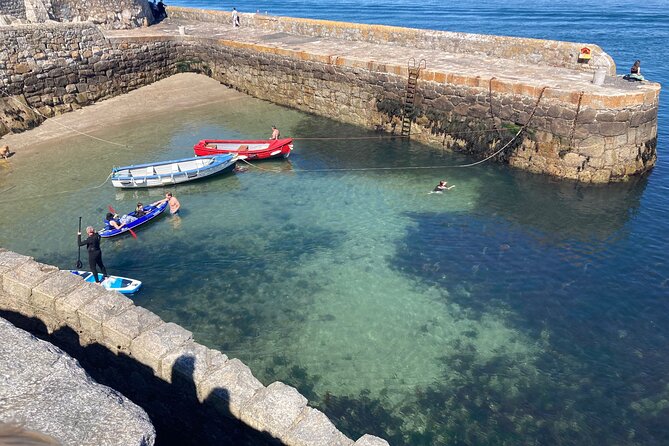
Next is Bulloch Harbour, a stunning village harbour where you hear about its industrial past and how it is used today. This stop is made for watching. You can usually see small movements in the water, and one highlight from the walk is the chance to spot seals lounging on rocks.
Even the short time works because the harbour setting does the heavy lifting. It is a quiet kind of beauty, and it turns the tour’s history lesson into something you can actually picture.
The outdoor timing means you will want a windproof layer. Coastal stops like this feel colder than they look on the map.
Bulloch Castle, medieval ruins and the seven-castle idea
Then you get Bulloch Castle, a medieval ruin stop. The tour frames it as part of the broader “castle network” around Dalkey, where Dalkey once contained seven such castles, with multiple ones you see during the route.
You only get about 5 minutes here, so you will not have time to do slow, deep ruin exploration. What you do get is context, and that makes the stonework feel less random.
The main consideration is timing and weather. Ruins are exposed. If it is wet or windy, you will want shoes with grip and a plan to move quickly to the next sheltered spot.
Dalkey village, Viking stories, and castle heritage from the outside
From Bulloch Castle, you walk through Dalkey, one of the more affluent villages in Dublin. The guide also shares nightlife and dining recommendations, which is a practical bonus if you plan to stay in the area after the tour.
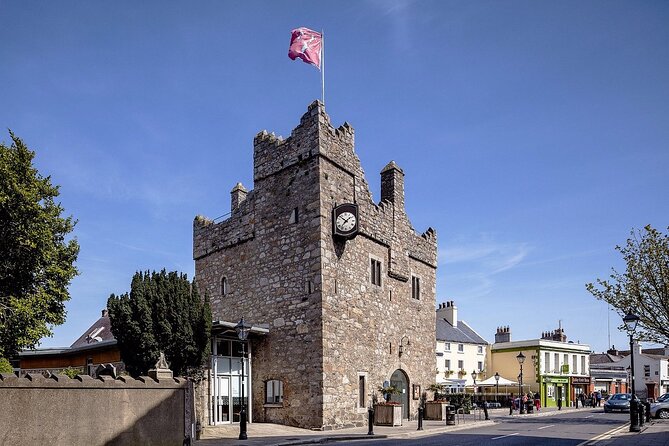
Dalkey brings in Viking history in a way that feels more connected than just a timeline. The tour then adds the Norman castle and heritage centre story through an additional viewpoint stop that focuses on one of Dalkey’s seven castle sites. You are seeing the “what,” and you are learning the “why” from the surrounding geography and architecture.
The tour also includes a viewpoint related to the village island, explained through a railway tour perspective. The emphasis is on the mix of Viking and Catholic history, which gives you a fuller sense of how cultures layered over time in this part of Dublin.
This is the closing stretch of the tour, and it is also where you start feeling that you have left the city behind. Dalkey feels like a different mood. You finish near the DART line, so it is easy to keep the day going on your schedule.
How far you’ll walk, and how to pace yourself
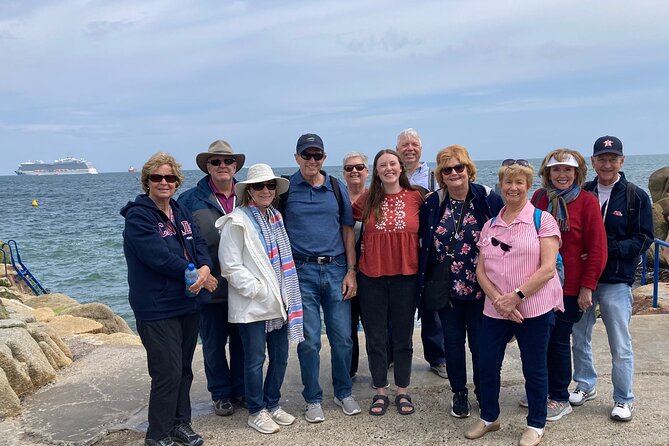
This walk is not “light strolling only.” Multiple people mention it as a long walk with lots of variety, and one person specifically pointed out they walked about 10,000 steps. Another described around 2.5 hours along the coast plus village wandering.
So here is my practical advice: treat it as a half-day walking mission, not a quick stroll. If you expect it to be easy, you might feel surprised. If you walk in with the right mindset, it feels rewarding and paced well.
The good news is the tour has rest opportunities. One strong theme from the experience is that there are lots of spots to rest, and the pace feels comfortable, not rushed. Several folks praised the guide’s ability to keep information organized and not overwhelming.
Watch your feet. Pathways can be uneven. I would avoid flip flops. You do not need hiking boots, but you do need shoes that grip and support your ankles on wet pavement.
Price and value: what you get for $114.65
At $114.65 per person for about 3 hours 30 minutes, the cost might sound high at first glance. But the value becomes clearer when you look at what you are actually buying: a guided coastal history walk plus museum entry.
Key reasons the price can make sense:
- You get all fees and taxes included, so you are not juggling surprise costs mid-walk.
- James Joyce Tower & Museum admission is included, including time in the museum and the rooftop spiral staircase viewpoint.
- You have a local guide who ties each stop together, from harbour and railway history to Viking and Norman stories.
- Group size is capped at 20, which helps keep the experience personal enough to feel worth paying for.
What is not included is equally important:
- Train fare is not included, so you’ll pay your own ticket(s).
- Snacks are not included, and you’ll want to bring water or plan to buy something near the end.
- Transportation to and from the meeting point is not included.
If you already plan to take the DART anyway, the included museum stop plus guided storytelling is where the cost feels justified. If you are looking for a fully snack-and-transit-covered day, you may want to build in your own budget for the last mile.
Who this tour is best for
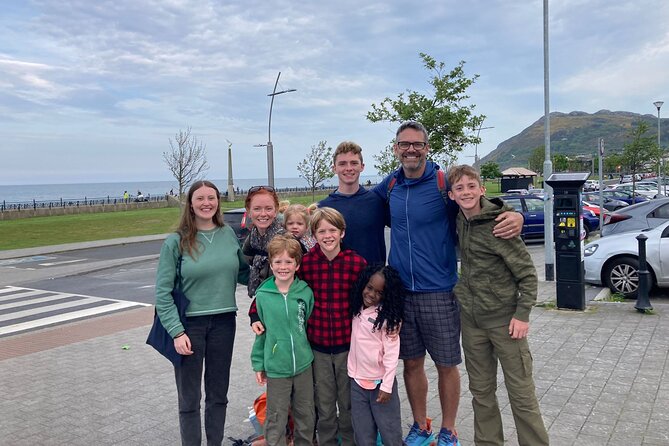
This fits best if you:
- Want to see Dublin from the coast, not just the city streets.
- Like history that is tied to places you can actually see.
- Enjoy photo stops, harbors, and village streets.
- Are comfortable walking for a few hours and want a structured route.
It is also a great option for cruise passengers if you are trying to avoid staying inside Dublin city proper. The start is near transit and has been reported as a short walk from a cruise tender drop-off.
If you hate stairs, this is the part to consider carefully. The spiral staircase at James Joyce Tower is the standout physical moment.
A few smart tips before you go
- Bring layers. Coastal weather changes fast, and wind can make temperatures feel lower.
- Wear supportive shoes. You’ll do a lot of stepping, and some pathways are uneven.
- Bring water. Snacks are not included.
- Plan your lunch on your own terms. Dalkey has pub options, and finishing in a village makes it easy to eat right after the tour.
- If you go on a Monday, double-check museum opening hours for the James Joyce Tower & Museum portion.
Should you book this Dublin coastal walk?
Yes, if your goal is a true change of scenery from the usual Dublin checklist. I like that this tour mixes harbors, parks, laneways, castle ruins, and a real museum stop with a rooftop view. The route gives you both wide shoreline moments and close-up village details.
Skip it, or at least think twice, if you want a very gentle stroll with minimal walking. This is a working walk, with real steps and some uneven paths. If you are prepared for that, you’ll get a memorable Dublin day that feels local, not touristy.
FAQ
How long is the Dublin (Dún Laoghaire) to Dalkey coastal walking tour?
It runs for about 3 hours 30 minutes.
Where do I meet the guide, and where does the tour end?
The tour starts at 1 Harbour Rd, Dún Laoghaire, Dublin, Ireland, and ends at Dalkey DART station.
What is included in the tour price?
The price includes all fees and taxes, a local guide, and admission to the James Joyce Tower & Museum.
Are train fare or snacks included?
No. Snacks are not included, and train fare is not included. Transportation to and from the meeting point is also not included.
What group size should I expect?
The tour has a maximum of 20 travelers.
Is the tour offered in English, and is it near public transportation?
Yes, it is offered in English, and it is near public transportation.
Can I cancel and get a full refund?
Yes. You can cancel for a full refund up to 24 hours before the experience’s start time.
Fresh options around Dublin
- Wicklow: Private Day Tour from Dublin★ 5.0 · 5 reviews
- Wicklow Mountains Private Day Tour including Glendalough★ 5.0 · 7 reviews
- Women Of Ireland: Trailblazers & Pioneers★ 5.0 · 4 reviews
- Wicklow Mountains & Glendalough Luxury Private Day Tour★ 5.0 · 23 reviews
- Wicklow tour of Glendalough★ 4.5 · 8 reviews
- Dublin To Kilkenny Castle Waterford Crystal Private Car – Day Tour★ 5.0 · 8 reviews
- Waterford Crystal and Kilkenny Full-Day Rail Tour from Dublin★ 5.0 · 3 reviews
- Full Day Private Wicklow Tour★ 5.0 · 12 reviews
Walking Tours, compared.
Dublin Highlights and Hidden Gems Guided Walking Tour
Read our review →
90 Minute Dublin Walking tour and Sightseeing tips
Read our review →

Historical 2-Hour Guided Walking Tour of Dublin
Read our review →
Dublin Traditional Irish 3 Course Meal Walking Tour with Local
Read our review →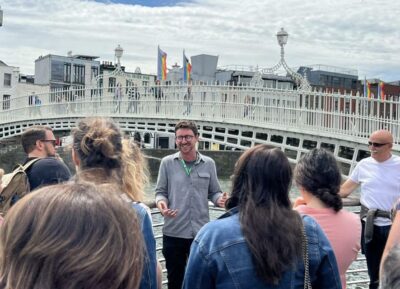
Browse the lists this tour appears in