
Reviewed · WALKING TOURS
Dublin: Mythology, Folklore and Legends Walking Tour
Dublin is full of stone and pubs, but this tour treats the city like a living legend book, where myths explain the mood of the streets. You’ll hear the stories behind figures like the banshee and the púca, and you’ll connect them to places you already recognize.
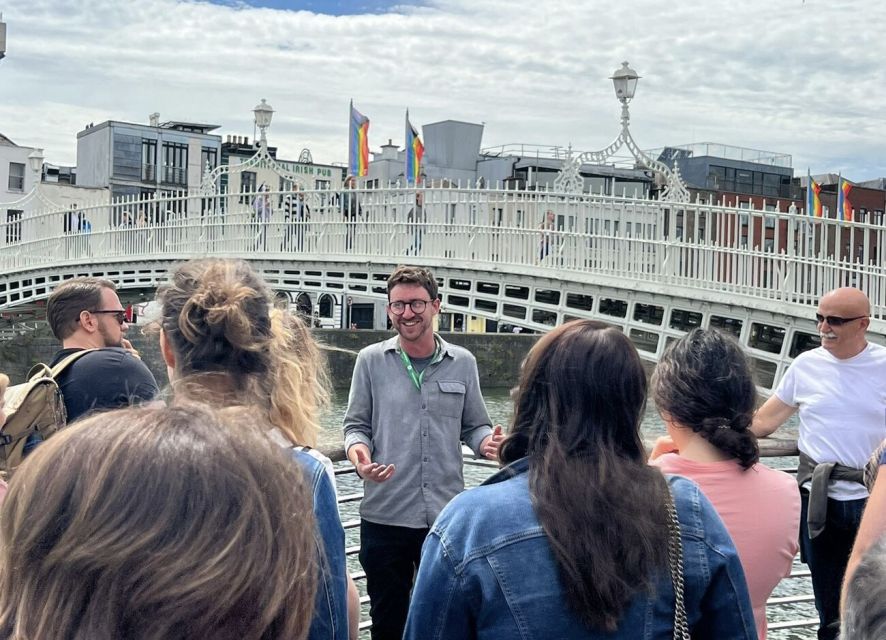
I love the way the tour is guided by a true folklore expert, and the storytelling quality is a big part of why it works. Guides such as Helena, Lee, Emily, and Dave bring real humor and energy, and that keeps the walk moving at a good pace. I also like that you see popular areas like Temple Bar and O’Connell Street through a different lens, plus you get detours into Dublin’s lesser-known corners.
The main thing to consider is that it is still a 2-hour walking experience. It is not a grueling hike, but it is not a sit-down lecture either, so wear comfortable shoes, and plan for typical Dublin street weather.
Key things to know before you go
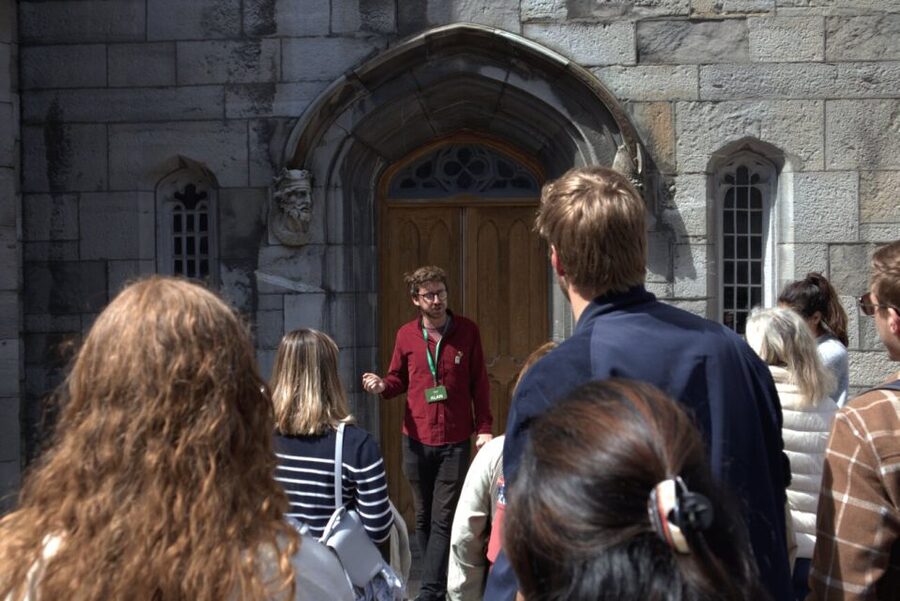
- Start outside The Old Storehouse pub and look for the green umbrella, so you can find your group fast
- Two hours on foot with multiple story stops, built for an easygoing city pace
- Fairies, banshees, púca, and leprechaun are all part of the myth mix, tied to Irish cultural themes
- Temple Bar and O’Connell Street get re-framed with origins, language revival, and street-level personality
- The Georgian Quarter brings darker themes like rebellions, grave robbing, and revolutions
- Abbey Theatre history is included, giving cultural context beyond the legends
Turning Dublin streets into myth clues
What makes this tour fun is the basic idea: you stop treating Dublin’s legends like bedtime stories and start treating them like part of how people think. Irish folklore has a habit of showing up in everyday language, place names, and even the way communities remember hardship. This walk gives you that context without drowning you in academic detail.
You’ll hear about mythical creatures such as fairies, the banshee, the púca, and even the leprechaun. But the smarter part is how the guide connects those figures to bigger themes, like identity, survival, and how storytelling carried culture forward when life got complicated.
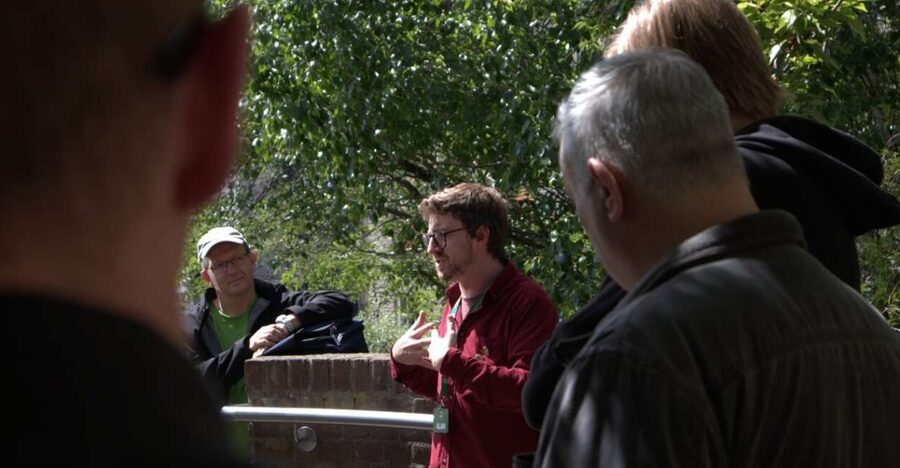
A good sign: the guides are strong performers. People mention charisma and humor, plus a guide who answers questions while you walk. That matters, because mythology can feel like a blur if the guide only lists characters. Here, the stories are framed so you remember them, and so you understand why they’re still useful.
More walking tours in Dublin:
- Dublin Highlights and Hidden Gems Guided Walking Tour
★ 5.0 · 6,020 reviews - Dublin: Highlights and Hidden Gems Walking Tour
★ 4.9 · 2,140 reviews - 1916 Rebellion Walking Tour
★ 5.0 · 1,605 reviews
Temple Bar with a folklore lens, meeting at The Old Storehouse
The tour starts in the Temple Bar area, one of those places where you can easily miss the deeper layers if you treat it as just a nightlife zone. Your meeting point is outside The Old Storehouse pub, and you should look for the green umbrella.
From that first stop, you’re not only talking about myths in the abstract. You’re getting how Celtic culture formed beliefs and traditions, and how Dublin’s origins show up in story. Temple Bar becomes a starting point for the mythology thread, not just a backdrop.
Here’s what I like about starting this way: it helps you re-orient quickly. You may come to Temple Bar already knowing it by name, but you leave with new language for what you’re seeing. Instead of only thinking about bars and crowds, you start thinking about symbols, characters, and the role stories played in shaping national identity.
Possible drawback: Temple Bar is busy. Even if your group is well managed, you should expect normal street noise. If you’re looking for a quiet, library-style experience, this is not that. If you want a lively city walk with meaning, it’s ideal.
The route’s best trick: pairing famous sights with detours
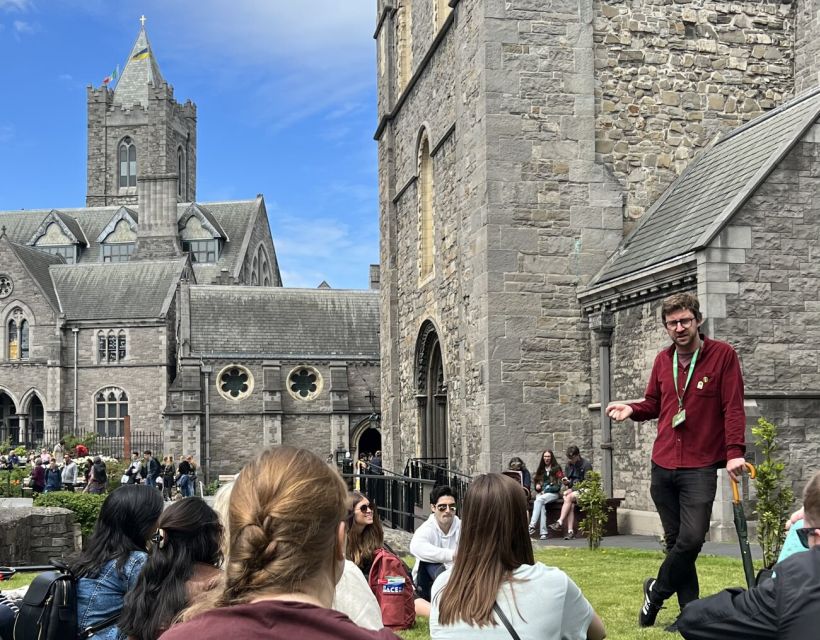
A smart part of this tour is how it mixes the obvious with the overlooked. You get a story-driven view of big names like Temple Bar and O’Connell Street, then you go off the usual tourist line.
That matters because Dublin is not only a handful of landmarks. It is also small streets, building corners, and neighborhoods that changed shape through conflict, politics, and cultural shifts. When the guide uses myths to interpret those places, the city starts to feel like it has continuity, not just photo spots.
You’ll learn about Irish ancient warriors too. That piece helps ground the creatures and legends in a real human timeline. Myths often reflect what people feared, respected, or survived, and this tour keeps that link visible as you walk.
And yes, the guide keeps the pacing friendly. People note multiple longer stops that do not feel exhausting, and the route is described as manageable even for people who do not want a marathon day. If you are planning a full itinerary in Dublin, this is a solid early activity, because it helps everything else make more sense later.
Georgian Quarter mood shift: rebellions, grave robbing, and revolutions
Then the tone shifts. The walk heads off the beaten tourist track to parts of the Georgian Quarter with a macabre edge. This is where you get the darker story ingredients, including rebellions, grave robbing, and revolutions.
This is not “scary for the sake of scary.” The value is that you start seeing Dublin as a city that has been shaped by upheaval, not just culture festivals and historic buildings. When a guide connects grim historical episodes to folklore ideas, it gives the myths a sharper purpose. They stop sounding like fantasy and start sounding like coping tools, moral lessons, and memory systems.
What to expect here:
You’ll hear how stories help define identity, especially when communities face loss or instability. Since this tour mixes myth with real political movement, you get a sense for why storytelling mattered, not just that it existed.
Possible drawback: if you prefer light and fluffy travel, the grave-robbery and revolution themes can feel heavy. You do not need to be a history buff to enjoy it, but the subject matter does have weight. The guide’s humor and pacing help, but it is still the darker chapter of the city.
Same city, a different sort of day out:
- Dublin to Cliffs of Moher, including Wild Atlantic Way and Galway
★ 5.0 · 23,331 reviews - From Dublin: Cliffs of Moher, Burren & Galway City Day Tour
★ 4.8 · 18,888 reviews - Dublin: Guinness Storehouse Entry Ticket
★ 4.6 · 16,863 reviews - Dublin to Cliffs of Moher, Burren, Wild Atlantic Way, Galway Tour
★ 5.0 · 12,924 reviews
Abbey Theatre tragedy: where culture turns into a story system
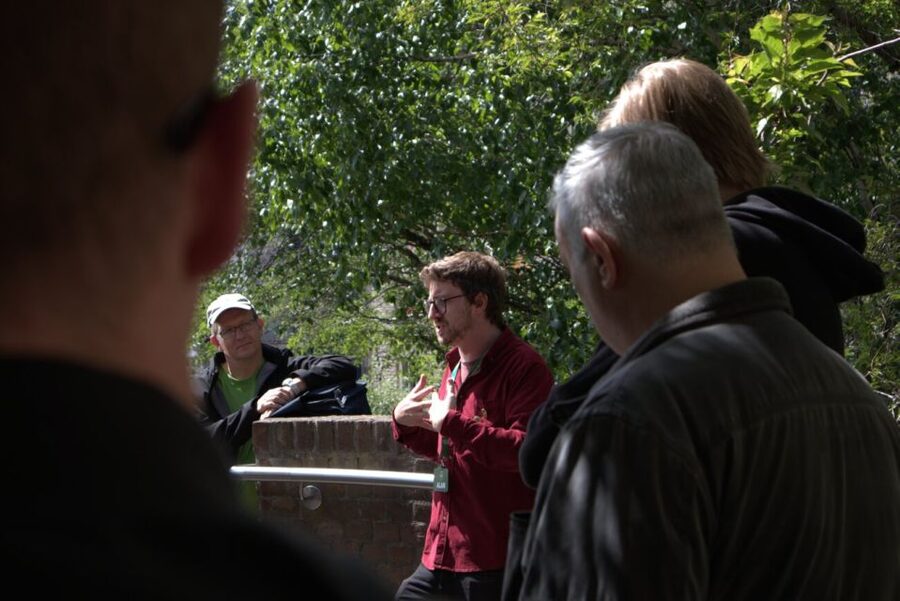
Another stand-out moment is the tragic history of the Abbey Theatre. This part matters because it shows that storytelling is not only oral folklore. It can also live onstage, shaping how people argue, grieve, and imagine the future.
Mythology and theatre might sound like two separate worlds, but the connection is the same tool: narrative. The Abbey Theatre history adds a cultural backbone. You hear myths and legends, then you see how Irish culture used performance to wrestle with national character and change.
If you enjoy thinking about how art reflects society, you’ll appreciate this stop. It also balances the earlier darker street stories, because theatre history gives you a more “human” frame for the same themes: identity, struggle, and what communities choose to remember.
Practical tip: bring your imagination. Without the guide’s framing, a theatre can look like just another building. With the story context, it becomes part of the myth lineage in a real way.
O’Connell Street ending: Gaelic revival and contemporary street characters
The tour finishes on O’Connell Street, which is a good choice for a concluding lesson. It is a central place where you can watch the present-day city in action, and the guide uses that to connect past folklore to modern Irish culture.
You’ll get an introduction to the revival of the Gaelic language and culture in Ireland. This portion helps you understand that folklore is not stuck in the past. It gets revived, adapted, and used to build identity in the present.
You also meet Dublin’s contemporary street characters as part of the ending. That closing beat is smart because it turns the walk from “old stories in old streets” into a living conversation. You leave with a sense that the city’s personality still has story energy in it.
If you want a next-step plan after the tour, this is a great ending point. O’Connell Street helps you re-find your bearings fast, and you are positioned well to keep exploring on your own.
Pacing, comfort, and what the 2 hours actually feels like
This tour runs about 2 hours, with starting times you can check for availability. It is a live walking tour with an English-speaking guide, and it is listed as wheelchair accessible.
In real terms, the “two hours” label is useful, because it tells you what kind of commitment you are making. You are not sacrificing a half day. At the same time, it is long enough for the guide to build a narrative arc, not just pass through a few monuments.
The walk also seems designed with comfort in mind. People mention long enough stops to stay engaged without feeling rushed. That’s important in a city tour, because standing around for short photo breaks is one thing, but having time for story and questions is what makes the experience feel complete.
One more practical note: you are in the center of Dublin for part of it. That means you’ll likely be exposed to street conditions, so plan for rain or wind with a light layer or rain jacket.
Price and value: what $27 buys you in Dublin
At $27 per person for a roughly 2-hour walking tour, the value comes from three things.
First, you are paying for expertise and performance. The guide is a fully accredited local folklore expert, and the reviews you’ll see reflect consistent entertainment plus real knowledge. You are not just “hearing stories,” you are learning how the stories connect to places.
Second, you’re buying route variety. If you only do the classic Dublin highlights, you miss the darker Georgian corners and the cultural angle on theatre and language revival. This tour is built to complement that, not repeat it.
Third, the tour helps you remember Dublin. When you understand the myth references, the city feels less like a list and more like a coherent place. That can actually reduce the “what did I see today?” feeling, because your brain has themes to attach to buildings and streets.
So is it worth it? If you like stories, characters, and cultural meaning, yes. If you want only dates, this is still informative, but the priority is folklore and narrative.
Who this tour is best for (and who should skip it)
This is a strong match if you:
- Like folklore and want it tied to real Dublin places
- Enjoy a guide who tells stories with humor and energy
- Want something different from the standard pub, castle, and Guinness loop
- Are bringing kids or teens who do better with storytelling than lectures (the pace is described as manageable)
- Want a tour that helps you make sense of what you’ll see afterward
You might skip it if you:
- Prefer quiet museums over street performance and talk
- Only want heavy, fact-heavy history with minimal mythology
- Get uncomfortable with the darker themes connected to grave robbing and revolutions
Quick practical checklist before you meet
- Meet outside The Old Storehouse pub and find the green umbrella
- Plan for about 2 hours of walking and standing, with multiple stops
- Wear comfortable shoes, especially if it has been rainy
- Bring curiosity. This tour rewards the “tell me more” attitude with good questions and answers
Should you book this mythology walk?
I think you should book it if you want Dublin to feel personal, not just scenic. This is one of those rare tours where you learn names and creatures, sure, but you also learn how Irish storytelling shaped identity, memory, and cultural pride. The guide quality is a major selling point, with performers like Helena, Lee, Emily, and Dave bringing humor and keeping the group engaged.
If you’re on a first visit and you want your bearings plus meaning, this tour is a smart early pick. If you love history but crave a story thread, it also works well as a bridge between the legends you hear and the places you later visit on your own.
FAQ
Where do I meet for the Dublin mythology walking tour?
Meet outside The Old Storehouse pub. Look for the green umbrella.
How long is the tour?
The tour lasts about 2 hours. Starting times vary, so you’ll want to check availability.
What’s the price per person?
The price is $27 per person.
What language is the guide?
The live tour guide speaks English.
Is there hotel pickup or drop-off?
No. Hotel pickup and drop-off are not included.
Is the tour wheelchair accessible?
Yes, the tour is listed as wheelchair accessible.
Is it free to cancel?
You can cancel up to 24 hours in advance for a full refund.
Fresh options around Dublin
- Wicklow: Private Day Tour from Dublin★ 5.0 · 5 reviews
- Wicklow Mountains Private Day Tour including Glendalough★ 5.0 · 7 reviews
- Women Of Ireland: Trailblazers & Pioneers★ 5.0 · 4 reviews
- Wicklow Mountains & Glendalough Luxury Private Day Tour★ 5.0 · 23 reviews
- Wicklow tour of Glendalough★ 4.5 · 8 reviews
- Dublin To Kilkenny Castle Waterford Crystal Private Car – Day Tour★ 5.0 · 8 reviews
- Waterford Crystal and Kilkenny Full-Day Rail Tour from Dublin★ 5.0 · 3 reviews
- Full Day Private Wicklow Tour★ 5.0 · 12 reviews
Walking Tours, compared.
Dublin Highlights and Hidden Gems Guided Walking Tour
Read our review →

90 Minute Dublin Walking tour and Sightseeing tips
Read our review →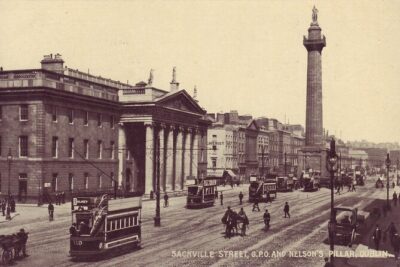

Historical 2-Hour Guided Walking Tour of Dublin
Read our review →
Dublin Traditional Irish 3 Course Meal Walking Tour with Local
Read our review →
Browse the lists this tour appears in