
Reviewed · WALKING TOURS
Vikings In Dublin (Walking Tour)
A Viking-themed walking tour in Dublin is interesting because you are walking through a city that still shows the after-effects of the Norse era. You move street to street, and the guide ties everyday places back to the idea of Dubh Linn, the Viking-linked name for Dublin.
I like two things a lot here. First, the tour starts right at the Báite – Viking Longboat (1988) sculpture by Betty Newman Maguire, which makes the whole Viking focus feel real from minute one. Second, the French guide keeps the story clear and nuanced, explaining customs and motivations in a way that stays understandable, not just a list of dates.
One possible drawback is simple: the tour is in French. If you do not read or speak French, you will want to rely on the visual clues and ask the guide to repeat key bits when you can.
Key things you’ll notice on this Viking in Dublin walk
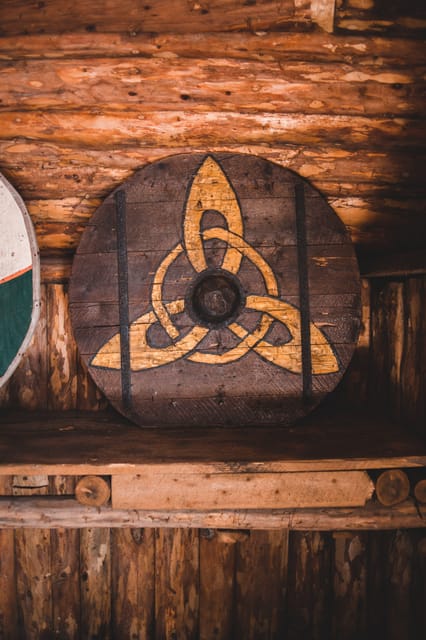
- Start at the Viking Longboat sculpture (1988), a concrete anchor for Norse-era Dublin
- Christ Church Cathedral gets explained as part of Dublin’s long timeline, not as an isolated stop
- Saint Audoen’s adds another layer of medieval Dublin to the Viking story thread
- Fishamble Street and street-level history, where markets and daily life come into focus
- Dublin Castle helps you connect power, governance, and city growth over time
- A surprise secret stop plus a hidden gem, so the tour does not feel like a straight checklist
A 1.5-hour Viking Dublin primer that stays on the ground

This is a compact, 1.5-hour walk designed to help you get your bearings fast. You are not trying to memorize everything about the Viking period. Instead, you learn how to look at Dublin and spot the threads that tie Norse influence to the city that developed afterward.
The pace also matters. A short tour like this is ideal if you only have one good morning, or if you want history that fits between bigger sights. You will still get guided stops at major anchors like Christ Church Cathedral and Dublin Castle, but you also get the human scale of street-level walking.
My advice: treat this as a foundation. When you later explore on your own, you will already know what to pay attention to, especially around the idea of Viking navigation on the Liffey and the city’s early growth as a trading hub.
More walking tours in Dublin:
- Dublin Highlights and Hidden Gems Guided Walking Tour
★ 5.0 · 6,020 reviews - Dublin: Highlights and Hidden Gems Walking Tour
★ 4.9 · 2,140 reviews - 1916 Rebellion Walking Tour
★ 5.0 · 1,605 reviews
Price and value for a guided Viking walking tour at $45
At $45 per person for about 1.5 hours, the value depends on one thing: the quality of the guide and how much you care about context. This tour includes a live guide, and the focus is specifically Viking history in Dublin, plus how Viking life and influence shaped later developments.
That guide component is the real “product” you are paying for. The strongest moments here come from the way the guide explains motivations, customs, and the less obvious angles of the period. You also get a chance to ask questions and get responses that stay relevant, which is exactly what turns a walking tour into more than sightseeing trivia.
If you are the type of person who enjoys asking why a place mattered, this price feels reasonable. If you just want a quick photo stop at famous buildings, you might find a self-guided option less costly and more flexible.
Stop 1: Báite Viking Longboat (1988) and the start of Dubh Linn
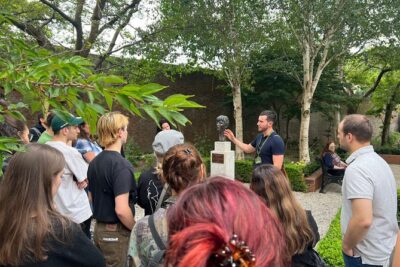
You meet at the Viking longboat sculpture, Báite – Viking Longboat (1988) by Betty Newman Maguire. Starting here is smart. It sets the scene instantly with longships and movement, and it gives you a Viking “lens” before you even reach the city center sights.
From this first stop, you get the basic framing for the walk. The guide helps you connect Norse warriors navigating the waters of the Liffey with the idea that they helped found and shape Dublin as a place people would trade, settle, and return to.
Why this matters for you: when a tour starts with an actual symbol tied to the story, you understand what the guide is going to do next. You are more likely to notice street patterns, building clusters, and the logic of where power and commerce tended to gather.
Tip: stand close enough to see the details on the sculpture, then take a moment to look up and around. Even before the walking begins, you can start building a mental map.
The guided “secret stop” that breaks up the obvious route
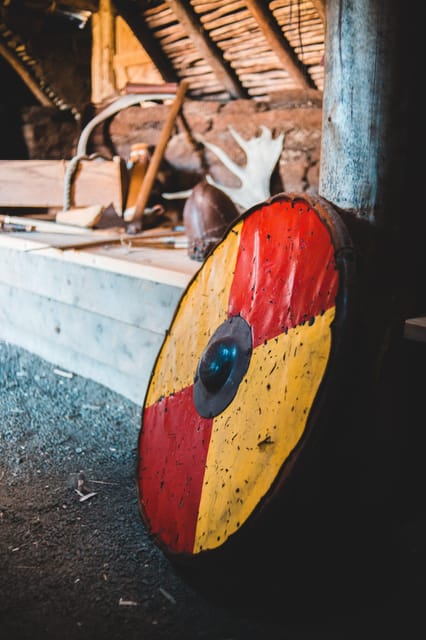
About midway early on, you get a secret stop led by the guide. It is not just a breather. It is there to keep the story from feeling like a straight line between big-ticket landmarks.
This kind of detour is where tours like this can win or lose you. When it works, it adds the “how did daily life work” layer. Here, the tour is clearly aiming at the hidden texture of Viking Dublin, including how city life formed around docks, markets, and the everyday rhythm of a settlement.
What to expect: the guide will point out connections between the Viking era and later Dublin layers. Even if the physical evidence is not always Viking-era “on the nose,” the explanation helps you understand why later buildings and street areas still matter.
If you hate surprises on tours, this may feel like a twist. But if you enjoy learning from guided interpretation rather than reading signs alone, it is one of the better reasons to book a tour instead of walking by yourself.
Same city, a different sort of day out:
- Dublin to Cliffs of Moher, including Wild Atlantic Way and Galway
★ 5.0 · 23,331 reviews - From Dublin: Cliffs of Moher, Burren & Galway City Day Tour
★ 4.8 · 18,888 reviews - Dublin: Guinness Storehouse Entry Ticket
★ 4.6 · 16,863 reviews - Dublin to Cliffs of Moher, Burren, Wild Atlantic Way, Galway Tour
★ 5.0 · 12,924 reviews
Christ Church Cathedral: learning Dublin’s timeline from a central anchor
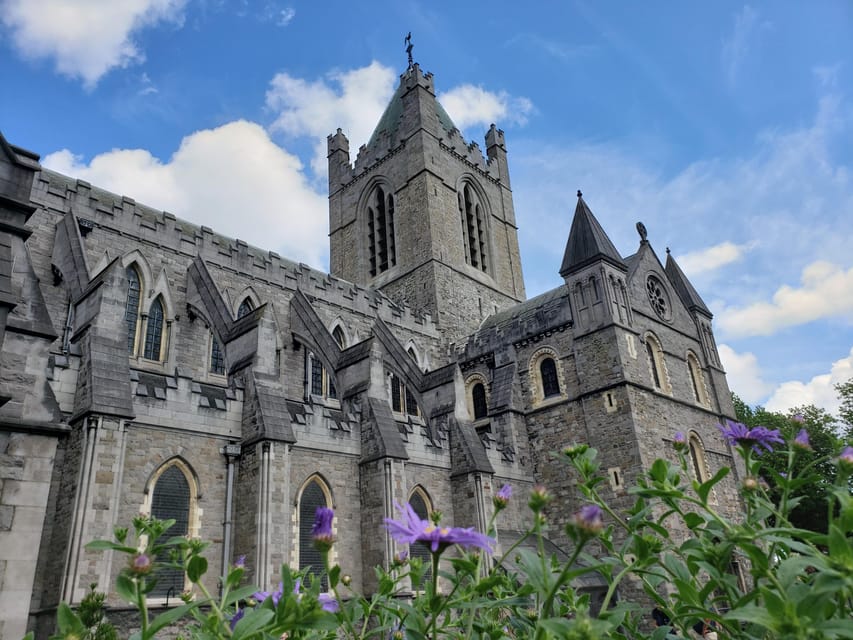
The walk brings you to Christ Church Cathedral for a guided visit. This is one of Dublin’s most imposing landmarks, and that size does something useful. It helps the guide explain Dublin as a changing power center across centuries, not just a backdrop to your photos.
In a Viking-focused tour, the value of a cathedral stop is not that Vikings worshipped there in their original way. The value is how the guide uses the place to show how Dublin evolved after the Norse era. You get an overview of the city from the viewpoint of this time period, with the cathedral serving as a prominent marker of later authority and organization.
What you should do: listen for the transitions in the story. Ask yourself, what changes in a city when it shifts from a settlement shaped by raiding and trade into a more structured medieval center? The guide’s job is to make that shift feel logical, and a strong tour turns “history” into a sequence you can follow.
Potential drawback: if you are expecting purely Viking artifacts at every stop, you may feel like you are seeing the medieval city that grew from Viking-era foundations rather than the Vikings themselves. Still, that is exactly the point of learning influence over time.
Saint Audoen’s: adding another layer to the Viking-era story thread
Next comes Saint Audoen’s, again with a guided stop. This is a chance to step away from the biggest centerpiece and see how Dublin’s older layers continue to show up in different parts of the city.
A second religious landmark also helps you understand how Dublin kept accumulating history. Viking Dublin is not a single moment. It is a period of influence that overlaps with later eras. By adding Saint Audoen’s, the tour helps you connect the dots between Norse-era beginnings and the medieval identity that eventually became more dominant.
How you’ll feel after this stop: more confident reading the city as a layered place. Even if you do not remember every detail, you will likely remember the overall arc, because the guide keeps returning to how Dublin’s development ties back to those earlier foundations.
If you are hard to please, the only thing to watch is attention span. A guided tour in historic areas can make you tune out if the explanations stop linking to bigger ideas. From what you are likely to experience here, the guide keeps the narrative moving and answers questions in a relevant way, which helps you stay engaged.
Fishamble Street: where you can picture markets and street life
Then you walk to Fishamble Street, guided along the way. The tour is explicitly aimed at bringing Viking traditions and lifestyle to life, and Fishamble Street is the kind of street where that street-level thinking works well.
The expectation set for you is about markets thriving and the city functioning as more than a place for arrivals. Vikings were not only warriors. The guide frames the period with the idea that settlement and trading mattered, and street locations like this are perfect for that kind of explanation.
What I recommend during this stop: use your imagination, but with boundaries. Do not get stuck picturing Hollywood Vikings. Instead, focus on what a market area implies: movement of goods, regular visitors, and the need for rules and roles in a growing city.
The best part of Fishamble Street in this tour context is that it connects ideas. You go from major monuments to daily life, so the Viking story stops being abstract.
Dublin Castle: seeing how power shifts after the Norse period
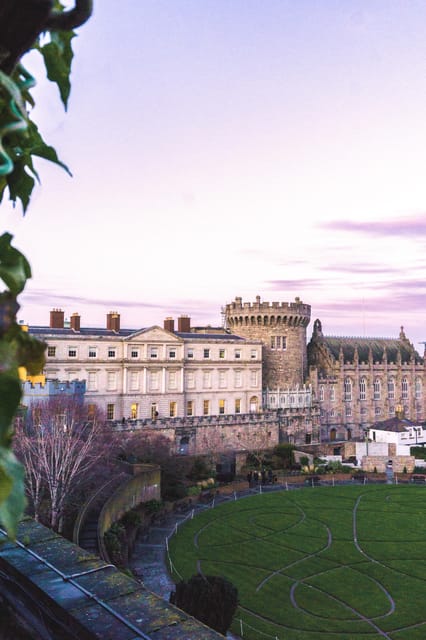
Next up is Dublin Castle, guided. Even if you know Dublin Castle as a modern symbol, this stop becomes more interesting when the guide uses it to show how the city’s centers of power developed over time.
For you, the value is in contrast. You start the walk with Viking symbolism, then you move through religious and street-level stops, and then you reach a site that represents governance and authority. That arc helps you understand the bigger question of the tour: what did Viking influence leave behind in Dublin?
Possible downside: if you only care about Vikings as a standalone topic, you might find the castle shift a little less exciting than the longboat start. But the tour is not trying to isolate a single era. It is trying to help you see influence, and influence is about change.
A hidden gem stop that makes the whole walk feel personal
After Dublin Castle, you get another guided stop described as a hidden gem. You do not get the name of this place ahead of time, but the tour format tells you what it will do. It will show you something less obvious, then connect it to Viking-era influence and the way the city keeps those layers in place.
This is often where guides shine, because the point is not to drag you to another famous building. The point is to give you a surprising angle that makes you feel like you found something, even if you did not. The best “hidden gem” moments are usually practical too, helping you learn what to look for next time you walk around Dublin.
If you are the type who hates filler, pay attention to the guide’s explanation. If it feels connected to the Viking thread, you will enjoy this stop. If it feels like a detour without meaning, that is when people get impatient on tours.
Finish at Trinity College, and turn this walk into a full day
The tour ends at Trinity College. Finishing here is convenient. You get a central place to reset, get a snack, and decide what you want to do next.
Because the walk is only 1.5 hours, it is designed to fit into a longer Dublin day. My suggestion: after the tour, use what you learned to guide your own wandering. You will likely find yourself noticing street shapes, historic anchors, and the way Dublin’s city center works.
If you like your days to have structure, book the tour earlier and let it set the storyline. If you like spontaneity, do it mid-day and let it turn random sightseeing into something with a theme.
Who this Viking in Dublin walking tour is best for
This tour is a great match if you want Viking Dublin explained in a way that stays human and understandable. You will likely enjoy it if you like:
- guided storytelling that includes customs, not just dates
- question time, with answers that stay relevant
- a route that mixes major landmarks with smaller street-level moments
It also makes sense for first-time Dublin visitors. You get Christ Church Cathedral, Saint Audoen’s, Fishamble Street, and Dublin Castle in one guided loop, plus the Viking longboat start that frames everything.
The main mismatch is language. Since the live guide is French, this is best if you can follow French explanations, or if you are comfortable picking up the main points from visuals and a bit of listening.
Wheelchair access is listed, so if mobility is a consideration, it is worth feeling good about the tour’s suitability.
Should you book? My quick decision guide
Book this tour if you want a focused Viking-themed walk that helps you understand how Norse influence relates to the city you see today. The biggest selling point is the guide quality: strong historical knowledge, clear explanations, and a story that avoids treating Vikings like a one-note villain label.
Skip it if you only want Viking artifacts and strict Viking-only locations, or if French is a deal-breaker for you. At $45 for 1.5 hours, you want to know the guide can carry the experience, and that is exactly what this tour is aiming to deliver.
If you are on the fence, here is the practical test: do you enjoy guided context? If yes, book it. If no, consider a self-guided history route and spend the money elsewhere.
FAQ
How long is the Viking in Dublin walking tour?
The tour lasts about 1.5 hours.
What start times are available?
Starting times vary, so you’ll need to check availability for the options on your date.
What language is the live guide?
The live tour guide speaks French.
Where do I meet the guide at the start?
You meet at the Viking longboat sculpture, Báite – Viking Longboat (1988) by Betty Newman Maguire.
What are the main places you visit during the walk?
You’ll visit Christ Church Cathedral, Saint Audoen’s, Fishamble Street, Dublin Castle, and you also have a secret stop plus a hidden gem stop. The tour finishes at Trinity College.
Is the tour wheelchair accessible?
Yes, wheelchair accessibility is listed for this activity.
How much does the tour cost?
The price is $45 per person.
Can I cancel and get a full refund?
Yes. You can cancel up to 24 hours in advance for a full refund.
Do I have to pay right away?
No. You can reserve and pay later, keeping your plans flexible by booking your spot and paying nothing today.
Fresh options around Dublin
- Wicklow: Private Day Tour from Dublin★ 5.0 · 5 reviews
- Wicklow Mountains Private Day Tour including Glendalough★ 5.0 · 7 reviews
- Women Of Ireland: Trailblazers & Pioneers★ 5.0 · 4 reviews
- Wicklow Mountains & Glendalough Luxury Private Day Tour★ 5.0 · 23 reviews
- Wicklow tour of Glendalough★ 4.5 · 8 reviews
- Dublin To Kilkenny Castle Waterford Crystal Private Car – Day Tour★ 5.0 · 8 reviews
- Waterford Crystal and Kilkenny Full-Day Rail Tour from Dublin★ 5.0 · 3 reviews
- Full Day Private Wicklow Tour★ 5.0 · 12 reviews
Walking Tours, compared.
Dublin Highlights and Hidden Gems Guided Walking Tour
Read our review →

90 Minute Dublin Walking tour and Sightseeing tips
Read our review →

Historical 2-Hour Guided Walking Tour of Dublin
Read our review →
Dublin Traditional Irish 3 Course Meal Walking Tour with Local
Read our review →
Browse the lists this tour appears in