
Reviewed · HISTORICAL TOURS
Historical 2-Hour Guided Walking Tour of Dublin
This is a fun way to understand Dublin because you walk right through the places where major Irish events left their mark. I like that the tour is led by Trinity College Dublin and University College Dublin history graduates, and I like the way guides turn dates into stories you can actually picture, like Jodie’s organized, witty approach or Colm’s calm, question-friendly style.
One thing to consider: it moves at a brisk walking pace for a 2-hour window, so you’ll want good walking shoes and the willingness to absorb a lot of names, eras, and context in a short time.
Key things to know before you go
- Award-winning, guide-led format that blends Irish history with humor and real city context
- Major Dublin stops including Dublin Castle, Temple Bar, City Hall, and the Medieval City
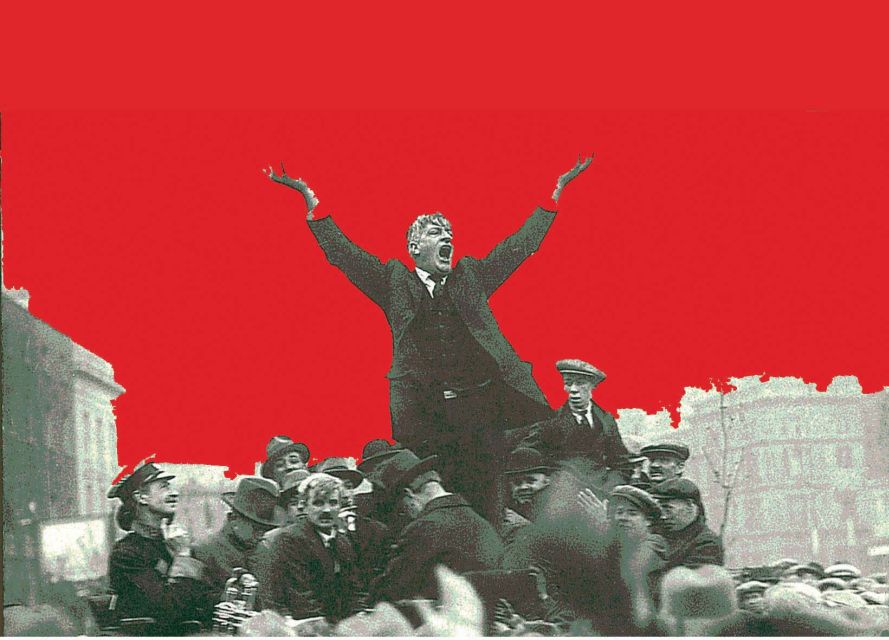
- You cover big turning points like the Potato Famine, the 1916 Rising, the War of Independence, and the Northern Ireland Peace Process
- Guides who take questions well, with some guides adding performance touches like singing verses
- Small-group feel helps you hear clearly while you’re out in busy streets
- State Apartments in Dublin Castle are not included, so plan accordingly if that’s a must-see
Where you meet: Trinity College, Henry Grattan Statue, and the easiest start
The tour starts at the Henry Grattan Statue, directly opposite the front gate of Trinity College Dublin. This is a smart meeting spot because Trinity is easy to find on foot or by transit, and it anchors your tour in the heart of the city.
Your guide will wear an Authenticity Tours badge on a lanyard. That matters more than you’d think. On a crowded street, seeing a badge right away reduces the usual first 10 minutes of stress. Once you spot the guide, you’re set.
The tour ends back at the same meeting point. That makes it easier to plan the rest of your day. You do not have to rethink your route, and you can still pop into the surrounding area after you finish.
More walking tours in Dublin:
- Dublin Highlights and Hidden Gems Guided Walking Tour
★ 5.0 · 6,020 reviews - Dublin: Highlights and Hidden Gems Walking Tour
★ 4.9 · 2,140 reviews - 1916 Rebellion Walking Tour
★ 5.0 · 1,605 reviews
How the 2-hour timeline works in real life
This is a 2-hour walking tour, designed to be informative without turning into a full day of museum time. Expect a stop-and-learn rhythm: you walk a short stretch, pause at a landmark, then move on.
Because the schedule is tight, the guide focuses on connecting key events to what you see around you. The result is that you get an overview of Irish history from older periods through modern developments, while still seeing the headline sites in central Dublin.
A practical tip: use this tour early or mid-trip, not at the very end. If you do it early, you’ll recognize names and themes as you visit other parts of Ireland. If you do it mid-trip, you’ll have enough context to ask sharper questions and compare what you’ve learned with what you’ll see next.
Dublin Castle: what you’ll see, and the one major thing you won’t
Dublin Castle is one of the tour’s headline stops, and it makes sense why. Even if you’ve only passed by once, the scale of the complex helps you understand how power and administration shaped the city over time.
The tour includes entrance fees as per the itinerary, but it does not include entrance to the State Apartments in Dublin Castle. That means you’ll likely get a solid overview of the castle grounds and the areas tied to the stories your guide shares, but you should not treat this tour as a substitute for a dedicated visit to the State Apartments if you want that specifically.
If State Apartments are on your list, plan a separate stop. Your guide will still give you the why behind Dublin Castle, but it’s good to know what is and is not covered so you can match your expectations.
Temple Bar: history at street level, not just nightlife
Temple Bar is one of those places people talk about first for its pubs and energy. On this tour, you’ll see it with a different lens: Temple Bar is also a historic neighborhood where you can trace how Dublin’s character changed over time.
You’ll also get the bigger story behind the buildings and city layout. That is what makes the stop feel more useful than a quick photo break. The guide ties landmarks to major historical moments, including the waves of political change that shaped modern Ireland.
Practical note: Temple Bar streets can be busy. The good news is that the tour format is built for hearing the guide over the city sound. In fact, multiple guides have been praised for being clear even when Dublin gets loud.
More history tours in Dublin:
- Dublin Historical Centre Food Tour with 8 Food Tastings & Drinks
★ 5.0 · 1,718 reviews - 2-Hour Historical Walking Tour from Dublin
★ 5.0 · 875 reviews - Dublin to Cork, Blarney Castle & Cóbh Heritage Centre by train
★ 4.5 · 510 reviews - Dublin: Jeanie Johnston Tall Ship Irish Famine History Tour
★ 4.8 · 431 reviews
City Hall: civic Dublin and how power shows up in stone
City Hall gives you a shift from castles and medieval streets to the civic layer of Dublin. It’s a stop that helps you understand that Dublin’s story is not only about uprisings and conflict, but also about governance, planning, and public identity.
When your guide talks about major events like the 1916 Rising and the War of Independence, City Hall helps you see how those upheavals fit into the larger arc of what becomes official and public-facing. You’re not just hearing history in the abstract. You’re watching it get translated into institutions.
If you like when a tour connects old events to modern city life, this is a key part of the walk. It’s the kind of stop that helps you make sense of what you’ll notice later when you’re wandering on your own.
The Medieval City streets: small details you might not expect
The tour includes time in the Medieval City, and this is where the walk turns from “top landmarks” into “real Dublin texture.” Medieval Dublin is all about spatial clues. Narrow lanes, old street lines, and the way buildings sit together help you picture how the city worked before today’s grids and traffic patterns.
One review detail that stands out is the idea of spotting lesser-noticed signs like bullet holes. You might see similar on-street or building details that bring a modern layer of conflict into view. The key point is that the guide uses these small features to connect to major eras covered in the tour.
This is also where having a guide matters most. If you walk the streets on your own, it’s easy to focus on what’s pretty. With a good guide, you start noticing what’s informative.
The big story arc: from revolutions to famine to 1916 and independence
This tour is built around major Irish turning points, and your guide weaves them into the sites you’re seeing. You’ll hear about the influence of the American and French revolutions, the Potato Famine, the 1916 Rising, and the War of Independence.
You don’t get this as a timeline shoved in your face. Instead, the guide uses landmark stops to show how these forces shaped society and the way people imagined Ireland’s future. That’s why a walking tour works better than a standalone lecture. You can connect the event names to physical places.
And because Dublin changed again and again, the tour doesn’t stop at independence. You’ll also learn about the effects of the Northern Ireland Peace Process. This modern thread is important because it explains why some parts of the city feel like they’re still absorbing past events, even when everything looks ordinary on the surface.
Modern Dublin at the end: using the walk to understand the present
One of the best parts of this kind of tour is the closing stretch. You see modern Dublin while the guide has your attention on historical context. That means the city doesn’t feel like a collection of separate sights. It feels like one living story.
You’ll end back at Trinity, but the impact should last. After a couple of hours like this, you’ll be better at spotting meaning in everyday things, like the difference between a historic facade and what it represents today.
This is especially helpful if your next steps include more driving or day trips. A quick guided history in central Dublin gives you a mental framework for the rest of Ireland.
Guides make the difference: what you can expect from the people leading the tour
What’s consistently praised is how the guides teach. Many guides are described as engaging, funny, and organized, with a real gift for storytelling.
Names that come up include Jodie, Colm, Daragh, Eoin, Tommy, and Grace. Several guides are highlighted for a style that feels like you’re learning while still having fun, rather than sitting through an extended lecture. One guide was described as having an actor background, and another added performance touches like singing verses linked to the historical moments being discussed.
Another practical strength is responsiveness. People mention that guides handle questions with ease, and they keep the pace moving without dismissing curiosity. That matters if you have any specific interest, like 1916 history, independence, or why certain buildings feel politically loaded.
Also, you’ll be in English. That’s great for clarity, and it means you can follow the details without constantly translating in your head.
Walking comfort and who this tour fits best
This is a walking tour through central Dublin, and reviews explicitly suggest bringing good walking shoes. Even if the distances feel manageable, you’ll be stopping and starting, and you’ll want your feet to cooperate.
Who it suits best:
- First-time visitors who want a fast, structured orientation to Dublin’s history
- History lovers who want names and eras connected to real streets and buildings
- People who like guided storytelling and Q and A, not just passive sightseeing
Who might find it less ideal:
- Anyone who hates dates and prefers slower, less structured experiences
- If you want only a few stops and deep time in museums, this 2-hour format might feel tight
Price and value: why $22 can work if you use it right
At $22 per person, the tour isn’t trying to be a budget bargain or a premium splurge. It’s positioned as a compact, high-impact introduction to Dublin’s story.
Here’s the value logic:
- It lasts 2 hours, which is efficient for a city break.
- Entrance fees are included as per the itinerary, so you aren’t paying extra for every step.
- The guide is a live expert, not a prerecorded route, which makes it easier to ask questions and get context.
- You cover multiple major landmarks plus the Medieval City, so you get more than one neighborhood in a single outing.
Is it perfect value for everyone? Not automatically. If you already know the full Irish history story and only want a light walk, you might not feel the need for a guide. But if you want to walk into Dublin and come out understanding what matters and why, it’s one of the cleaner ways to spend two hours.
Should you book this Dublin 2-hour history walk?
Book it if you want a short, guide-led way to connect Dublin Castle, Temple Bar, City Hall, and the Medieval City to the major turning points of Irish history. It’s especially worth it if you enjoy humor, clear explanations, and asking questions. The guide style is a standout feature, and the small-group feel plus strong audibility helps you get your money’s worth.
Skip it if you already have a detailed plan focused on deep museum time, especially if State Apartments in Dublin Castle are your priority. In that case, add a separate ticket for the State Apartments, and consider this tour as your context-building pairing rather than your only castle visit.
If you’re on the fence, think about your first priority for Dublin. If it’s getting your bearings fast and understanding the historical layers beneath the streets, this tour is a smart pick.
FAQ
How long is the Historical 2-Hour Guided Walking Tour of Dublin?
The tour lasts 2 hours.
Where is the meeting point?
Meet your guide at the Henry Grattan Statue opposite the front gate of Trinity College, Dublin. Your guide will be wearing a lanyard or badge with Authenticity Tours.
Where does the tour end?
The tour ends back at the meeting point near the Henry Grattan Statue.
What sites does the tour include?
You’ll see Dublin Castle, Temple Bar, City Hall, and areas of the Medieval City.
Is entrance to the State Apartments in Dublin Castle included?
No. Entrance into the State Apartments in Dublin Castle is not included.
Is the tour wheelchair accessible?
Yes, the tour is wheelchair accessible.
Fresh options around Dublin
- Wicklow: Private Day Tour from Dublin★ 5.0 · 5 reviews
- Wicklow Mountains Private Day Tour including Glendalough★ 5.0 · 7 reviews
- Women Of Ireland: Trailblazers & Pioneers★ 5.0 · 4 reviews
- Wicklow Mountains & Glendalough Luxury Private Day Tour★ 5.0 · 23 reviews
- Wicklow tour of Glendalough★ 4.5 · 8 reviews
- Full Day Private Wicklow Tour★ 5.0 · 12 reviews
- Dublin To Kilkenny Castle Waterford Crystal Private Car – Day Tour★ 5.0 · 8 reviews
- Waterford Crystal and Kilkenny Full-Day Rail Tour from Dublin★ 5.0 · 3 reviews
Historical Tours, compared.

Dublin Historical Centre Food Tour with 8 Food Tastings & Drinks
Read our review →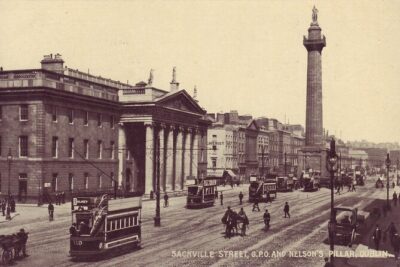

Dublin to Cork, Blarney Castle & Cóbh Heritage Centre by train
Read our review →
Jeanie Johnston Tall Ship Irish Famine History Tour
Read our review →

Deliciously Dublin: The Artisan Donut Walking & History Tour
Read our review →
Hidden Dublin: Haunted History Walking Tour v2.0 2026
Read our review →
Dublin Private Highlights & History of 1916 Easter Rising Tour
Read our review →Browse the lists this tour appears in