
Reviewed · WALKING TOURS
Dublin: Highlights and Hidden Gems Walking Tour
Dublin works best when you get your bearings fast, and this 2-hour walking tour gives you exactly that. You move through Viking to Victorian layers of the city, while your guide connects the dots between the major landmarks and the smaller streets between them.
I especially like how the tour turns big names into real stories. Stops like Dublin Castle and Christchurch Cathedral are treated as more than photos. I also like the practical side, because you leave with where to eat, drink, and catch live music ideas, not just a list of sights.
One consideration is that this is a walking-focused experience, and a few groups noted limited time for a snack or a bathroom break. If you’re strict about timing, go easy on big caffeine intake before you meet.
Key highlights to know before you go
- A full 1,000 years in a compact route that moves from Viking origins through medieval streets, Georgian boulevards, and Victorian slums
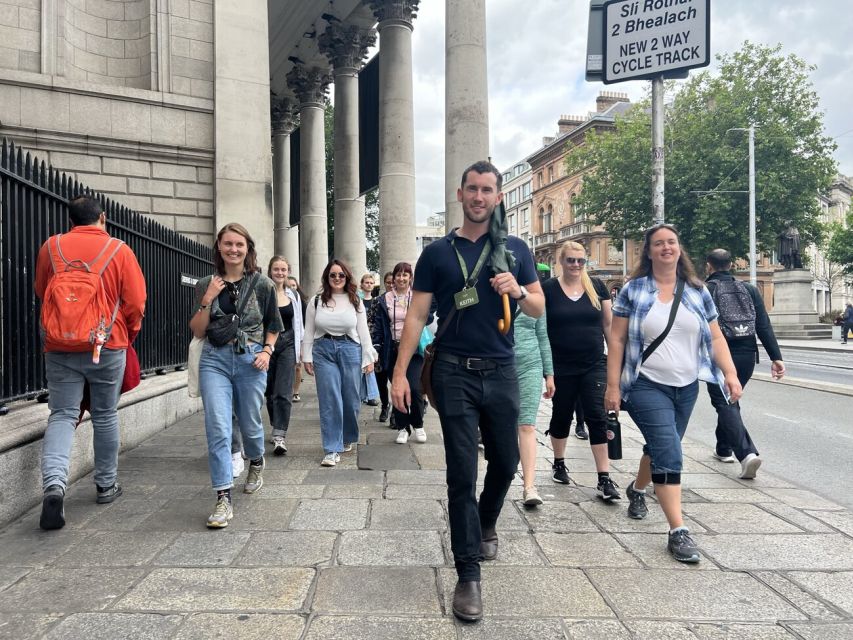
- Fully accredited, live English guide who brings the city’s characters to life with humor and stories
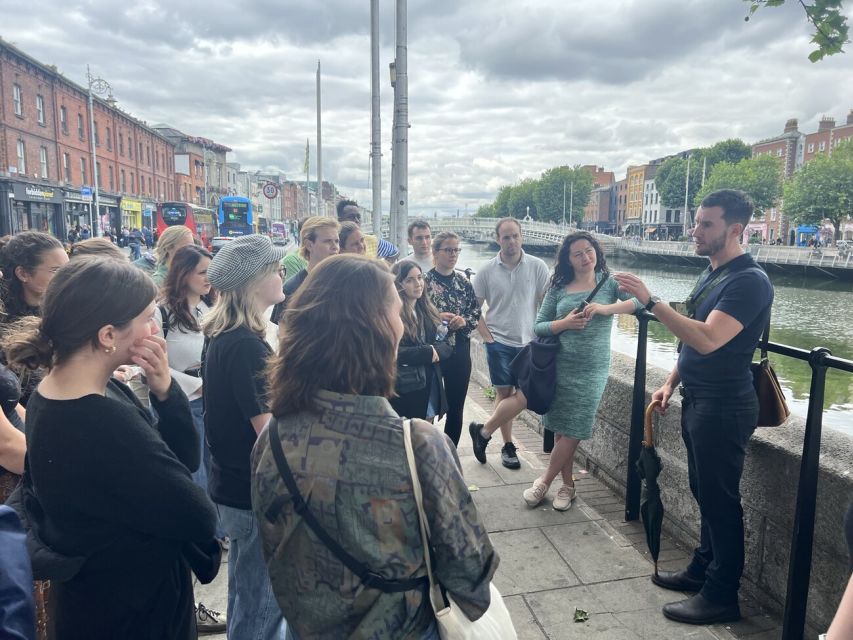
- Must-sees plus quieter corners around the River Liffey and backstreets between the big attractions
- Iconic Dublin landmarks on the route, including Dublin Castle, Christchurch Cathedral, Trinity College, Ha’penny Bridge, and the GPO
- Local recommendations included, with suggestions for food, drinks, souvenirs, and live music
- Wheelchair accessible, starting and ending back at the same meeting spot
Why this Dublin city center walk is such a smart starting point
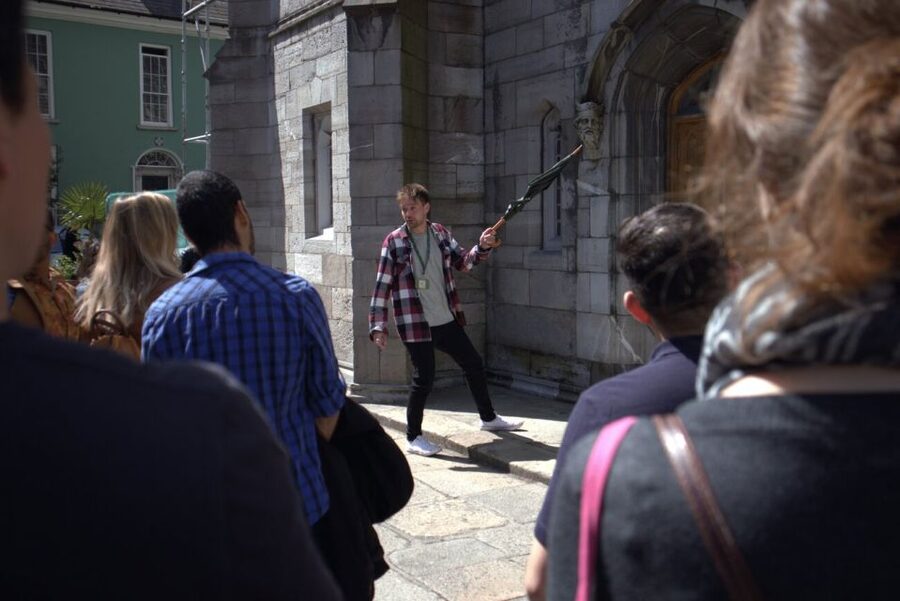
If Dublin is your first Irish city, you need two things: orientation and context. This tour gives you both without dragging you across half the city on transport. In about 2 hours, you cover a lot of ground on foot and you get the story line that makes the streets make sense.
What makes it work is the way the guide frames the route. You do not just check off attractions. You learn how Dublin’s identity changed over centuries, from Viking beginnings to later eras that shaped the city you see today. That kind of framework makes it easier to wander on your own afterward, because you start recognizing patterns.
The guide also sets a fun tone. In the feedback I saw, people kept calling out witty storytelling and humor, with named guides like Ian, Keith, Dave, Kieran, Helena, Gemma, and Alan getting praise for making history feel like conversation instead of lecture. That matters, because your attention holds longer when the facts arrive with personality.
More walking tours in Dublin:
- Dublin Highlights and Hidden Gems Guided Walking Tour
★ 5.0 · 6,020 reviews - 1916 Rebellion Walking Tour
★ 5.0 · 1,605 reviews - 90 Minute Dublin Walking tour and Sightseeing tips
★ 5.0 · 916 reviews
The route: how you move through Viking, medieval, Georgian, and Victorian Dublin
The tour is built around time travel on foot. You start in the city center and you work through Dublin in eras: Viking Dublin, then medieval Dublin, then Georgian boulevards, and finally the moodier Victorian slums era. The guide ties each stop into that timeline as you walk.
For you, that has a real payoff. When you see Dublin Castle, Trinity College, bridges, cathedrals, and civic buildings, you can place them in the bigger story instead of treating them like random photo ops. Even if you do not consider yourself a history person, this structure helps. You can follow along, ask questions, and connect what you see outside your window to what you hear.
Pacing is the key here. This is a tight, walking-based experience, so it is best for days when you want to hit the highlights and still have energy left for dinner plans. One practical note: even though the stated duration is 2 hours, some feedback mentioned it running close to 3 hours, with fewer pauses than you might want. Plan your afternoon like this tour could be a longer workout than you expected.
Dublin Castle and Christchurch Cathedral: the anchor stops that set the tone
The big landmarks are not just decorative on this route. They act like anchors for the story the guide is telling. Dublin Castle is one of the central stops, and it helps you understand why this area became a power center in the first place. You get that context as you move through the timeline, so the sight feels connected to the city’s turning points.
Christchurch Cathedral is another key stop. Again, you are not just looking at a building. You’re getting the surrounding narrative that explains how religious and civic life shaped Dublin across different eras. It’s a classic pairing on walking tours because it gives you two very different kinds of gravity: one tied to state power and one tied to long-running community life.
If you like photos, you will get them. If you like learning, you will get more than a caption. The guide approach seems consistent across praised guides like Kieran and Alan, who were specifically noted for tying historical significance to each stop and keeping the group engaged from start to finish.
Temple Bar and Smock Alley Theatre: culture in the middle of the story
Temple Bar is on the route, and yes, it is the place most people picture when they think Dublin nightlife. The value here is that you do not experience Temple Bar in isolation. You see it after you’ve been given the city’s wider historical context, so it feels like a modern layer, not a standalone theme.
Smock Alley Theatre is a great contrast stop for the same reason. It adds a cultural thread to the walking story. Instead of history being only politics and old stone, you get the sense that Dublin has always had creators, performers, and storytellers in the mix.
This is where the tour’s “characters” angle really pays off. The tour description emphasizes writers and rebels, rock stars and rogues, and the way those figures shaped Dublin’s reputation. In other words, the guide is trying to help you feel the city’s personality, not just its chronology. When people mention humor and lively delivery, that’s the engine behind it.
Same city, a different sort of day out:
- Dublin to Cliffs of Moher, including Wild Atlantic Way and Galway
★ 5.0 · 23,331 reviews - From Dublin: Cliffs of Moher, Burren & Galway City Day Tour
★ 4.8 · 18,888 reviews - Dublin: Guinness Storehouse Entry Ticket
★ 4.6 · 16,863 reviews - Dublin to Cliffs of Moher, Burren, Wild Atlantic Way, Galway Tour
★ 5.0 · 12,924 reviews
Walking the River Liffey and crossing Ha’penny Bridge and O’Connell Bridge
Dublin’s river is one of the easiest ways to understand the city’s geography. This tour uses the River Liffey as a moving point, which helps you visualize how neighborhoods connect and why certain areas became natural meeting points.
Then you hit bridges, and bridges are a cheat code for pedestrians. Ha’penny Bridge and O’Connell Bridge give you landmark moments where you naturally slow down and look around. They also create a rhythm to the walk: walk, pause, cross, regroup. That rhythm matters on a 2-hour experience, because it keeps your energy steady.
You’ll also hear how these parts fit into the bigger story the guide is building. The guide’s job is not to recite everything at high speed, it’s to explain why each stop sits where it does in Dublin’s rise, fall, and rise again narrative.
For best results, wear shoes that handle pavement and river-adjacent areas. You’ll be standing and walking enough that comfort becomes your secret weapon for enjoying the stops.
The GPO: a civic stop that connects modern Dublin to earlier eras
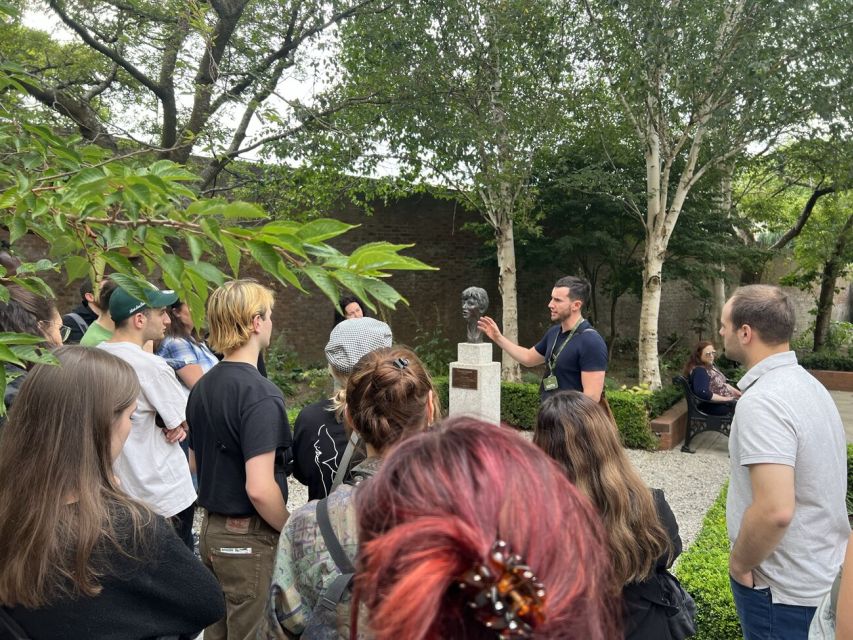
The GPO is included on the route, and it’s the kind of landmark that helps you transition from older Dublin into the more modern civic identity of the city. You’ll hear stories connected to Dublin’s turning points, and the GPO helps anchor that shift as you move forward through the timeline.
Why I like including stops like this on a walking highlights tour is simple: it prevents the tour from becoming only castles and cathedrals. You get a sense of how public institutions and major buildings helped shape what Dublin became, and you can carry that with you when you’re planning the rest of your day.
If you’re the sort of person who likes understanding why a city feels the way it does today, these civic landmarks are the bridge between the past you’re learning and the Dublin you’ll be out exploring later.
Trinity College: finishing on a must-see that makes the whole route click
Trinity College is one of the most recognizable names on the itinerary. Ending with a major educational landmark is smart, because it gives the tour a “thinker’s finish.” After the guide walks you through Viking origins, medieval streets, Georgian boulevards, and Victorian slums, you end at a place that signals continuity and the ongoing evolution of Dublin.
Even if you do not plan a full inside visit, the value here is the sense of closure. You’ve been taught how Dublin layers its past, and now you end at a site that represents how the city continued developing after earlier eras.
In the feedback, multiple guides were praised for keeping groups engaged and for making sure people left with a clearer understanding of Dublin than they would have by wandering alone. That’s the vibe you want from a finish point: you should feel like you can decode the city streets after you’re done.
What the best guides actually add: humor, names, and practical tips
This tour is built around a fully accredited guide, and the guide is the difference between a list and a story. A strong guide makes you feel like you’re walking with someone who cares, not someone reading a script.
Across the praised experiences I saw, people repeatedly mentioned humor and storytelling. Named guides like Ian and Keith were called out for being witty, funny, and very knowledgeable in a way that held attention. Dave was praised for being funny, kind, and for giving local recommendations that helped first-timers avoid dead ends. Kieran and Alan also got credit for explaining historical significance and doing it with an easygoing, engaging style.
You also get something that many history walks skip: specific ideas for what to do next. The included tips and recommendations are meant to help you plan eating, drinking, live music, and souvenirs. That can save you time later, because you’re not stuck guessing once you’re hungry or looking for an evening plan.
Price and value: what you’re paying for at about $27 per person
At around $27 per person for a 2-hour walking tour, this sits in the “do it once, then explore on your own” sweet spot. You are paying for two things you would otherwise spend time figuring out: a guided storyline and local advice.
Included in the price are the local guide and the walking tour of Dublin city center, plus exploration of history and culture, and tips and recommendations. That makes it feel less like a sightseeing ticket and more like a compact orientation session with added entertainment. If you value your time in a new city, that’s the real deal.
You also get practical flexibility options like reserve now and pay later, and free cancellation up to 24 hours in advance for a full refund. Those details matter if your plans are weather-dependent. Dublin can surprise you, and having flexibility reduces stress.
Pace, comfort, and what to do if you need a break
This is a walking tour, so plan like it is. Wear comfortable shoes, bring layers for shifting weather, and keep your phone charged if you want to capture landmarks along the way.
The one drawback I would flag is the potential for fewer breaks than you might want. Some feedback mentioned nearly 3 hours without a snack or loo stop. You can still enjoy the tour, but I recommend handling your personal needs before you start, and choosing a day when you are not already rushing between appointments.
Also, because the tour covers a lot of city center ground and multiple landmark stops, expect standing time at points where the guide is speaking. If you have mobility concerns, confirm the route fit with the operator ahead of time, especially since the tour is listed as wheelchair accessible but details of crowd flow are always real-world dependent.
Where you meet and how the tour flows without confusion
The meeting point is outside The Old Storehouse pub, and you should look for the green umbrella. Arrive no later than 10 minutes before the tour begins and present your booking to your guide.
The tour ends back at the meeting point. That matters for planning, because you can head straight to lunch or dinner without guessing where you’ll finish or scrambling for transport right after the walk.
Since it is in English and led by a live guide, it’s also straightforward to follow along even if you’re not an Irish history specialist.
Who this walking tour is best for
This tour is a strong match if you are:
- Visiting Dublin for the first time and want a quick storyline through the key eras
- Short on time but still want to see major landmarks like Dublin Castle and Trinity College
- Interested in characters and culture, not only buildings
- The type who likes local guidance for food, drinks, live music, and what to skip
It can also work well as a solo experience, because you’re in a group setting with a guide who is clearly built for engagement. A couple of guides were praised for watching out for the group and keeping people involved, which is exactly what you want from a city-center walk.
If you hate walking, or if you need long seated breaks, you might prefer a slower option. But if you’re fine with 2 hours on foot, this is a good value way to get oriented.
Should you book this Dublin highlights walking tour?
I’d book it if you want a clean first pass through Dublin’s major landmarks with an accredited guide telling the story behind the streets. The price feels reasonable for what you get: a guided timeline, named stops across the city center, and included local tips that help you plan the rest of your trip.
Skip it if you need lots of scheduled breaks, or if you only want one or two sights and nothing else. Otherwise, it is a practical way to turn a day in Dublin from wandering into understanding, and you’ll likely leave with both photos and a plan.
FAQ
How long is the Dublin walking tour?
The tour duration is 2 hours. Starting times vary, so check availability for the best slot.
Where do I meet the guide?
Meet outside The Old Storehouse pub. Look for the green umbrella, and arrive no later than 10 minutes before the tour starts.
What is included in the $27 per person price?
Included items are a local guide, a walking tour of Dublin city center, exploration of the history and culture of Ireland, and tips and recommendations to help you make the most of your trip.
Is food and drink included?
No. Food and drinks are not included.
Is the tour wheelchair accessible?
Yes, the tour is listed as wheelchair accessible.
Is there a cancellation deadline?
Yes. You can cancel up to 24 hours in advance for a full refund.
Fresh options around Dublin
- Wicklow: Private Day Tour from Dublin★ 5.0 · 5 reviews
- Wicklow Mountains Private Day Tour including Glendalough★ 5.0 · 7 reviews
- Women Of Ireland: Trailblazers & Pioneers★ 5.0 · 4 reviews
- Wicklow Mountains & Glendalough Luxury Private Day Tour★ 5.0 · 23 reviews
- Wicklow tour of Glendalough★ 4.5 · 8 reviews
- Full Day Private Wicklow Tour★ 5.0 · 12 reviews
- Dublin To Kilkenny Castle Waterford Crystal Private Car – Day Tour★ 5.0 · 8 reviews
- Waterford Crystal and Kilkenny Full-Day Rail Tour from Dublin★ 5.0 · 3 reviews
Walking Tours, compared.
Dublin Highlights and Hidden Gems Guided Walking Tour
Read our review →

90 Minute Dublin Walking tour and Sightseeing tips
Read our review →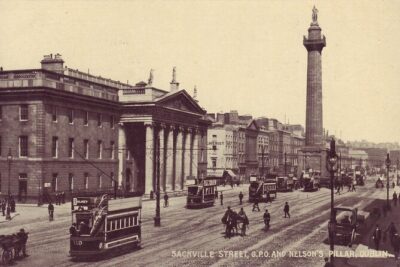

Historical 2-Hour Guided Walking Tour of Dublin
Read our review →
Dublin Traditional Irish 3 Course Meal Walking Tour with Local
Read our review →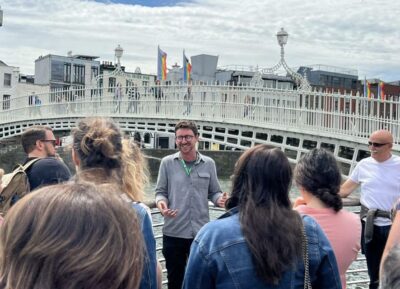
Browse the lists this tour appears in