
Reviewed · WALKING TOURS
Dublin: Highlights and Hidden Corners Walking Tour
What makes this Dublin walking tour especially interesting is the mix of big-name landmarks and off-to-the-side details you would never spot on your own. I love the small group feel and the way the guide keeps you moving with friendly, funny storytelling. I also love the human stories tied to places like the General Post Office and Trinity College. The main drawback to plan around is that almost everything you see is outside, so you should not expect guided interior visits.
You’ll start in the center at the Tree of Gold Statue (Crann an Óir) near Dame Street, then wind through the former Viking and medieval core, cross toward the River Liffey, and finish around Trinity College. If you get a guide like Joe Brennan, John O’Flynn, Jacob, Katie, or Dave, you’re in for a pace that feels well judged, with lots of context and room for questions.
The tour is built to help you get your bearings fast while still leaving time for the quirky stuff Dublin does best. Expect quick looks at Dublin Castle grounds and gardens, Christ Church Cathedral, Temple Bar area squares, the Italian Quarter streets, St Mary’s (now a famous café/bar), and the O’Connell Street stretch of monuments and milestones.
Key highlights worth planning for
- Max 16 people and often fewer, so you actually hear your guide
- Two sides of the River Liffey, starting near Dame Street and looping through northside streets
- 1916 Rising context at the GPO area, plus the surrounding street history
- Quirky surprises like a church that is not really a church, a defunct cinema, and odd art stories
- Finish near Trinity College, tying the walk to Ireland’s academic and cultural landmarks
Why this Dublin walk is a smart first-stay plan
If you are arriving in Dublin and want a fast mental map, this is a solid choice. You cover the kind of landmarks most people put on a first-day checklist, but you also get the street-level weirdness that makes Dublin feel like Dublin. The value is not only that you see famous buildings, but that you understand why they matter, who used them, and what changed over time.
The format helps. The tour runs about 2.5 hours, which is long enough to feel like a proper city introduction, but short enough that you will still have energy for a pub stop afterward. And because the group is capped at 16, it does not turn into a shuffle through crowds.
The other reason I like this style of tour is that it teaches you how to look. You get nudged to notice Dublin’s repurposing culture, from historic structures to buildings that now serve totally different roles. You also get prompted to listen for the personal angle, not just dates and facts.
More walking tours in Dublin:
- Dublin Highlights and Hidden Gems Guided Walking Tour
★ 5.0 · 6,020 reviews - Dublin: Highlights and Hidden Gems Walking Tour
★ 4.9 · 2,140 reviews - 1916 Rebellion Walking Tour
★ 5.0 · 1,605 reviews
Starting at the Tree of Gold statue on Dame Street
The walk begins at the Tree of Gold Statue (Crann an Óir), Central Plaza, Dame Street 2, at the corner of Dame Street and Fownes Street Upper. This spot is handy because it is right in the action, easy to reach, and close to major streets that you will likely use later anyway.
From there, you head into the former Viking and medieval quarter. This matters because Dublin’s center did not just grow outward in a straight line. It grew in layers. As you walk, you will notice how the city’s older structure influences the street patterns you see today, especially around castle-adjacent areas and church precincts.
The tour moves at a conversational pace, and most guides on this route seem good at balancing big photo stops with story time. That is important, because if the pace is too slow, you lose the flow. If it is too fast, you miss the point of a walking narrative. From the guide variations shared by past groups, the pacing often lands right in the middle, though one pace-adjustment request shows that you may want to mention your comfort level at the start if you walk slower than average.
Dublin Castle grounds, City Hall area energy, and the medieval core
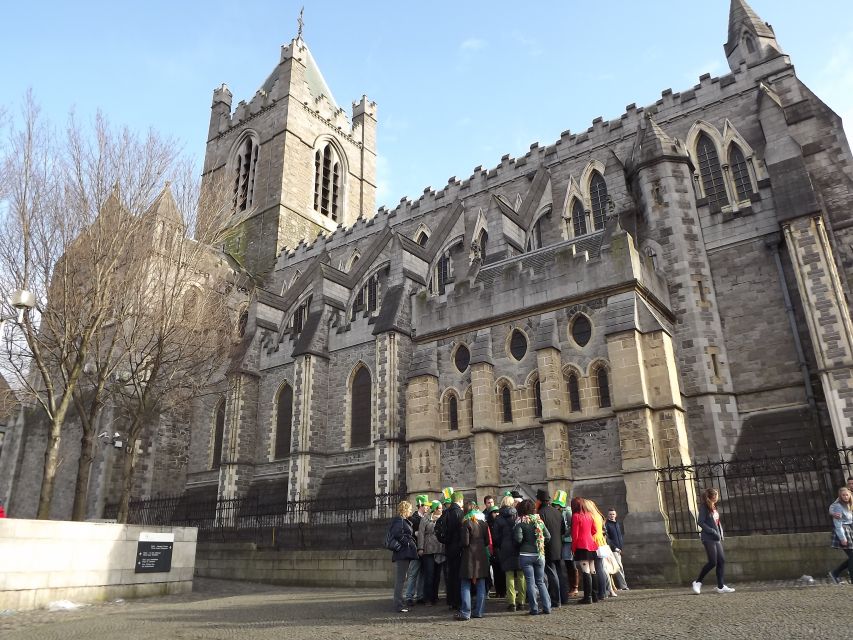
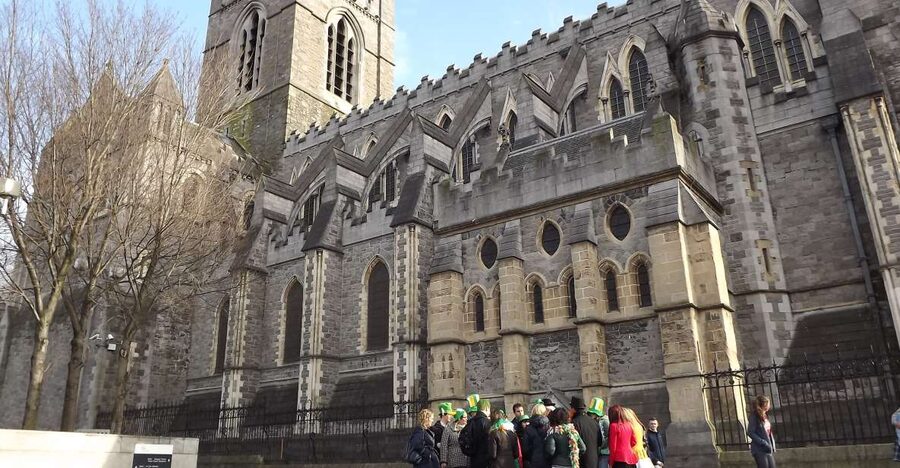
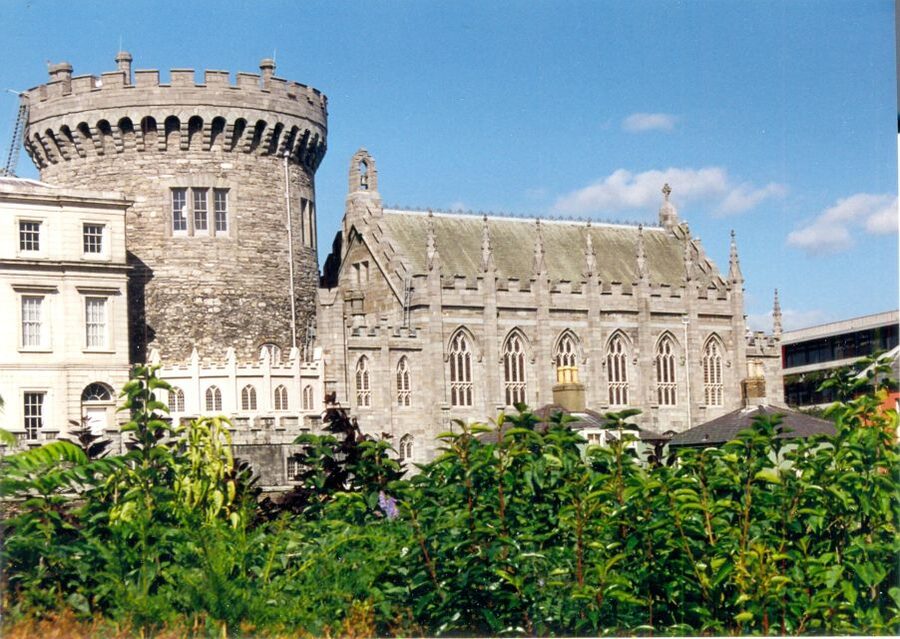
Early on, you get into the castle orbit and the cathedral zone. You will pass by Dublin Castle grounds and gardens and also see Christ Church Cathedral from the outside. Even without going inside, you can still understand the shape of power in older Dublin, because castles and major churches tend to sit like anchors in the city.
What makes these stops work on a walking tour is that they act like reference points. Once you’ve seen how the castle grounds sit relative to surrounding streets, later discoveries feel easier. You know where you are, and you can connect what you see next to what you already learned.
This part of the route also sets up the emotional side of Dublin. The guide’s job here is not only to point out stonework, but to translate how the city shifted from medieval control toward later political and civic eras. Expect the kind of talk that makes you look at ordinary street corners and think, someone important probably passed through here.
Narrow lanes and church-adjacent stories around Fishamble, Smock Alley, and St Mary’s
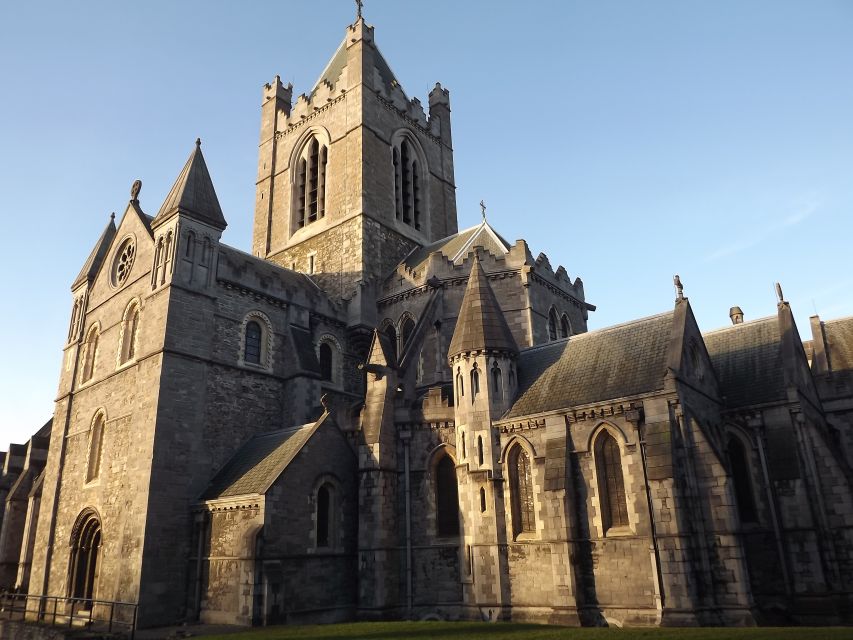
After the cathedral and castle areas, you move through the kinds of Dublin streets that feel made for wandering. You’ll pass Fishamble Street and Smock Alley, then continue toward Meeting House Square around Temple Bar.
This is where Dublin’s comedy and transformation show up. The tour is built around little surprises, not just landmarks. You should be ready to spot the type of building that looks one way but functions differently now. St Mary’s Church is part of this, and the guide points out that it is now a famous café or bar, which is a perfect example of how the city reuses its structures instead of freezing them in time.
You will also hear about odd curiosities along the way, including stories like a church that is not really a church, a former full-time cinema that no longer does what it used to, and even a café housed in a repurposed Lisbon tram. These details are fun, but they also teach a practical lesson: Dublin is not a museum. It is an operating city with layers.
Same city, a different sort of day out:
- Dublin to Cliffs of Moher, including Wild Atlantic Way and Galway
★ 5.0 · 23,331 reviews - From Dublin: Cliffs of Moher, Burren & Galway City Day Tour
★ 4.8 · 18,888 reviews - Dublin: Guinness Storehouse Entry Ticket
★ 4.6 · 16,863 reviews - Dublin to Cliffs of Moher, Burren, Wild Atlantic Way, Galway Tour
★ 5.0 · 12,924 reviews
Temple Bar to the Liffey crossing, plus the Italian Quarter vibe
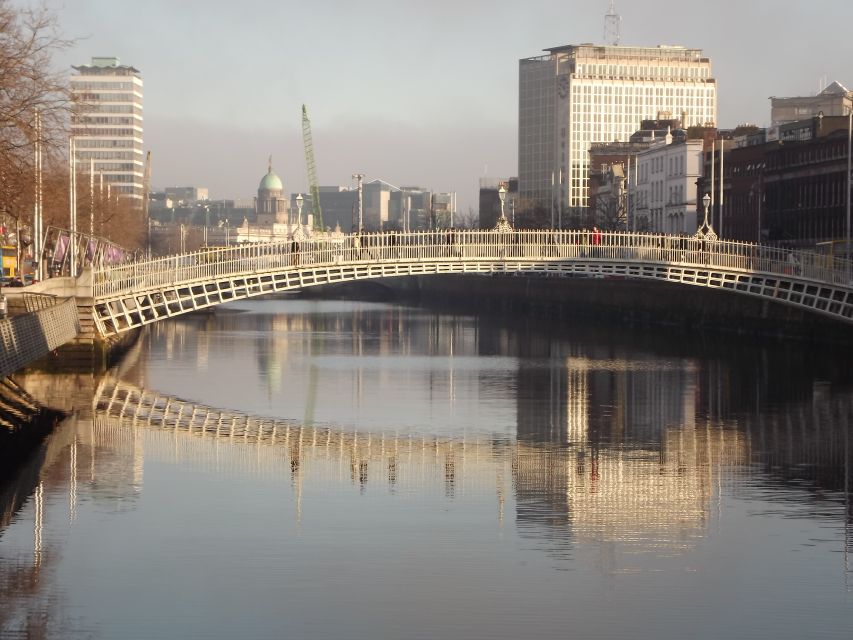
As you reach the Temple Bar area, the tour balances atmosphere with context. You will pass Meeting House Square near Temple Bar and then cross toward the River Liffey. One of the standout sections is the walk over Millennium Bridge and along the river approach.
Bridges are good for walking tours because they give you a natural pause without stopping the momentum. You get a view of the river corridor, and the guide uses that moment to talk about how both banks of the city developed. The tour intentionally covers both sides, so you do not end the day only knowing one half of central Dublin.
Then you shift toward the streets associated with the Italian Quarter. That matters if you plan to eat out after the tour, because you will now recognize a neighborhood feel, not just a name on a map. You will likely walk past Henry and Moore Streets as well, which gives you a practical sense of where shops and dining zones are, still close to the older core.
Even if you do not plan a specific meal right then, you’ll leave with a clearer idea of where to aim later.
O’Connell Street, the GPO, and the 1916 Rising markers
This is the serious stretch, but it is not cold. The tour passes by O’Connell Street and the General Post Office. The guide also points out the significance of the GPO as headquarters of rebels in the 1916 Rising and connects that to how the surrounding area was damaged afterward.
You’ll also see the O’Connell Monument area and the former Parliament House, now the Bank of Ireland. When you put these landmarks into the same walk, the city starts to read like a timeline you can feel under your feet. You stop treating history as isolated and start understanding it as a sequence that shaped the streets you are standing on.
This is one of the sections where the guide quality really matters. In past runs, guides like John O’Flynn and Joe Brennan were praised for explaining architecture and politics in a way that stays clear, with enough charm to keep you listening. The ideal outcome here is that you can look at the buildings and understand what roles they played, not just what they look like.
If you prefer to keep your day light, you can still enjoy this part. The stories tend to have a human edge, not just official labels.
Finish near Trinity College and the Book of Kells connection
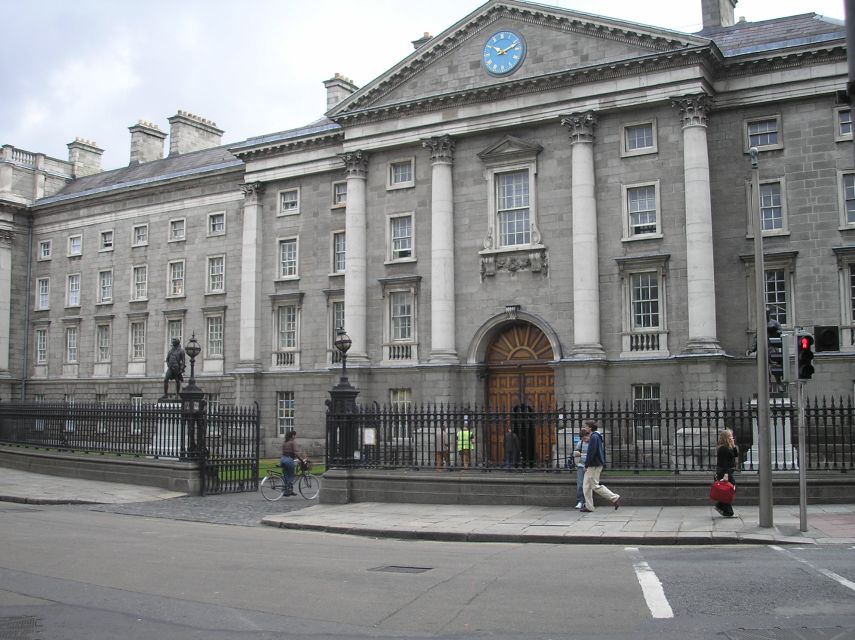
The tour ends around Trinity College, tying a big Irish cultural institution to what you’ve already walked past. Trinity is also where you get a famous finishing association: the Book of Kells. Even though you will not be doing an interior visit on this walk, the external look and the context make the area feel more meaningful.
One note to plan around: this tour is described as external visits only. You’ll be looking at buildings and streets from the outside, not stepping inside as part of the guided route. The data also suggests there may be opportunities for visits after the tour, but you should not count on included entry.
If you are hoping for a photo-heavy finish, this is a good time to have your camera ready. Trinity’s presence is strong in the cityscape, and after 2.5 hours, you want something visually satisfying to anchor the end of your walk.
Quirky stops that make it feel like Dublin, not just a list
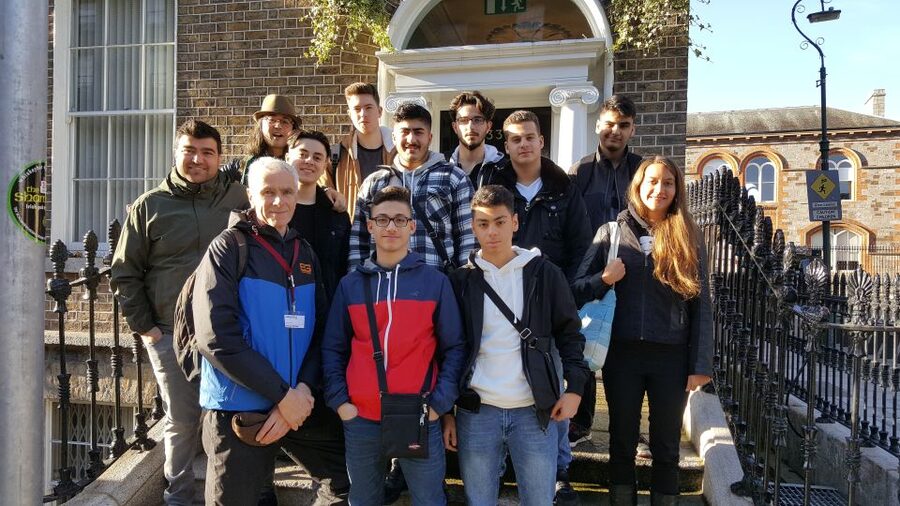
A huge reason this tour gets high marks is the way it mixes icons with oddball details. You get to hear about things that are basically Dublin trivia with a story behind them.
Expect to encounter playful items like an amusing representation of a da Vinci painting, a “wobbly bridge” moment that gets your attention in the most literal way, and a tale about a post-box that represents Ireland’s transition to independence. There is also mention of a stark-naked representation of a very famous 18th century composer. That kind of stop is not there for shock value. It’s there because it makes the city memorable.
You should treat these as part of the tour’s rhythm. The guide will likely balance them with the heavier political or architectural context, so you do not feel like you’re stuck in one mood the whole time.
If you like learning that feels personal, these moments often do the job better than another photo at a famous gate.
Price and logistics, and how to decide if the fit is right
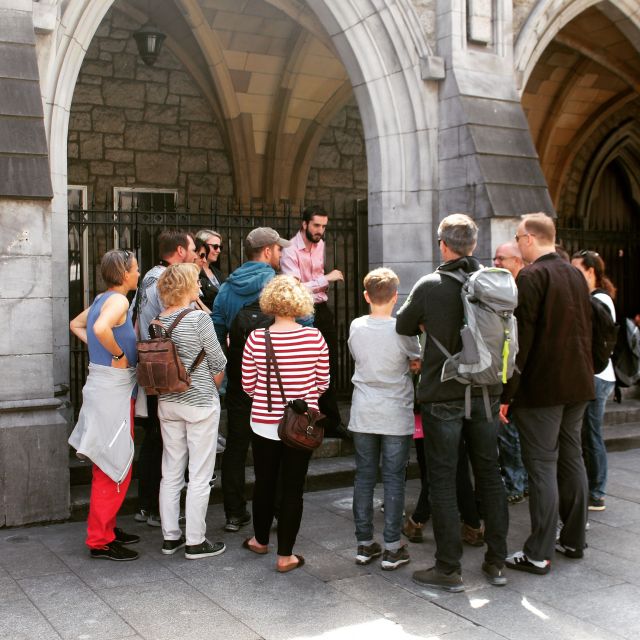
At about $31 per person for roughly 2.5 hours, this is priced as a solid city-introduction tour. It is not a bargain-tour by any stretch, but you are paying for a trained guide plus a route that covers both sides of the river and several major landmarks. For many visitors, that means fewer half-baked self-guided attempts and a better use of your first day.
The practical perks are real:
- Small group of up to 16, often less
- English live guide
- Stops include major icons plus streets you can revisit later
- Wheelchair accessible design is stated
The main consideration is the external-only format. If you want lots of interior time, plan to add museum or cathedral entries on your own schedule. Also, walking pace is not identical for every group, even with good guides. If you need a slower pace for comfort, speak up at the beginning. A small-group tour can be more flexible than big bus-style options.
Who this Dublin highlights walk suits best
This tour fits best if you:
- Want a first-day plan that helps you navigate central Dublin
- Like city stories tied to real places, especially political and cultural landmarks
- Prefer walking tours that include humor and weird facts, not just lecture-style history
- Are traveling solo, with a partner, or with friends and want a structured route without joining a huge crowd
It is also a good choice if you are the type who likes to follow up after. Once you’ve seen the key areas around Trinity, the GPO, Temple Bar, and the river crossings, you will know what to prioritize for later.
Should you book this Dublin walking tour?
Yes, if your goal is to get your bearings fast while still leaving space for Dublin’s quirks. The small-group size and the guide-led storytelling are the big strengths. You’ll leave with a map in your head, plus a handful of specific scenes and odd details that make the city feel alive.
Only skip it if you are mainly chasing indoor attractions and do not want an external-only format. In that case, you might pair a short highlights walk with an attraction that actually has guided entry.
If you want, tell me your travel dates and what you care about most, history, architecture, food areas, or photo spots, and I’ll suggest a simple Dublin follow-up plan for the rest of your day.
Fresh options around Dublin
- Wicklow: Private Day Tour from Dublin★ 5.0 · 5 reviews
- Wicklow Mountains Private Day Tour including Glendalough★ 5.0 · 7 reviews
- Women Of Ireland: Trailblazers & Pioneers★ 5.0 · 4 reviews
- Wicklow Mountains & Glendalough Luxury Private Day Tour★ 5.0 · 23 reviews
- Wicklow tour of Glendalough★ 4.5 · 8 reviews
- Dublin To Kilkenny Castle Waterford Crystal Private Car – Day Tour★ 5.0 · 8 reviews
- Waterford Crystal and Kilkenny Full-Day Rail Tour from Dublin★ 5.0 · 3 reviews
- Full Day Private Wicklow Tour★ 5.0 · 12 reviews
Walking Tours, compared.
Dublin Highlights and Hidden Gems Guided Walking Tour
Read our review →

90 Minute Dublin Walking tour and Sightseeing tips
Read our review →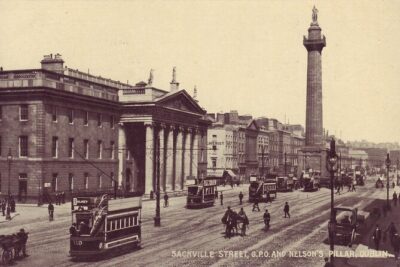

Historical 2-Hour Guided Walking Tour of Dublin
Read our review →
Dublin Traditional Irish 3 Course Meal Walking Tour with Local
Read our review →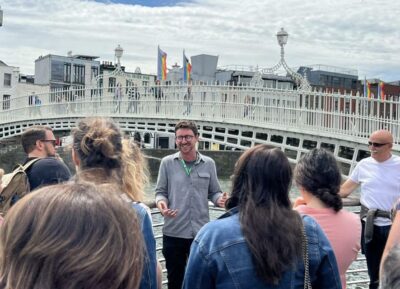
Browse the lists this tour appears in