
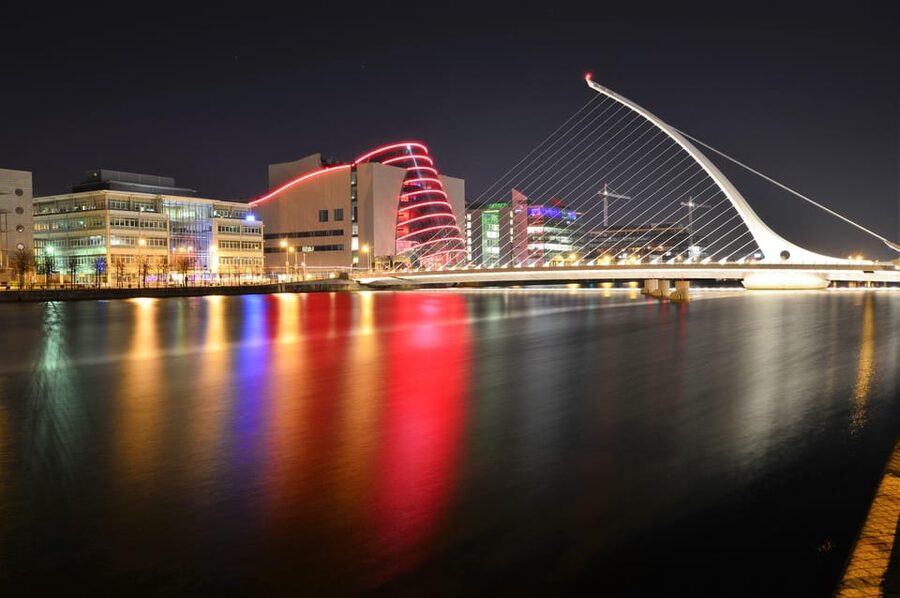
Reviewed · WALKING TOURS
Dublin Walking Tour: Top 10 highlights
Dublin’s best feature is that it’s walkable, and this tour is built for your feet. In just about 2 hours, you cover major landmarks and city landmarks in a tight loop, starting at the Spire and finishing near Trinity College. You get the kind of context that turns a photo stop into a real sense of place.
I especially like the way the guide keeps the route focused on what you can actually see and understand, from big, dramatic monuments to smaller street-level details. I also like the energy the guide brings, with real room for questions, plus humor along the way. One thing to consider: the tour explains places outside only, so you are not going inside the cathedrals, castle areas, or museums as part of this walk.
Key things to know before you go
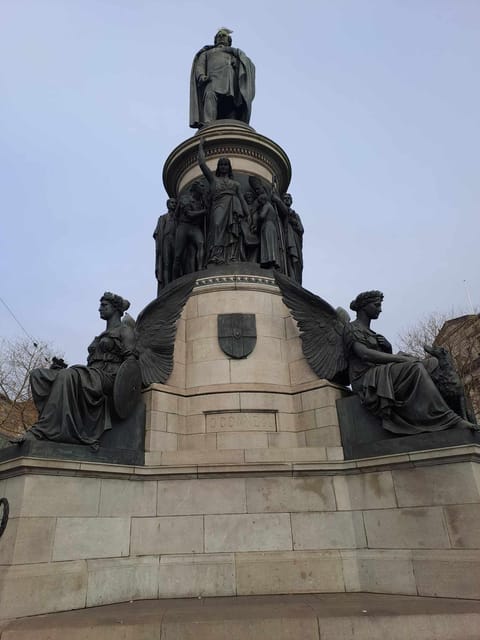
- Top 10 highlights, in a two-hour loop that helps you get your bearings fast in Dublin
- French live guide gives a guided story thread across famous streets and buildings
- Outside explanations only, so expect viewpoints and street-level context, not interior visits
- Major landmarks plus a few lesser-known stops your guide points out along the way
- A guide who takes questions seriously, including lots of facts and dates when you ask
Getting started at the Spire, and why your route makes sense

The walk begins at the foot of the Spire on the GPO side. That is a smart starting point because the Spire is a quick landmark you can orient around, and the area gives you an instant sense of Dublin’s center. You are not wandering. You are being guided onto a plan that strings together the city’s most recognizable icons in a logical order.
This is also where the tour’s tone clicks into place. The guide’s job here is not just naming things. It is teaching you how to read what you are looking at. You’ll get explanations for the buildings you pass, and you’ll learn how different eras left their marks on the same streets.
If you’re the type who likes to connect points on a map, this start helps. You’ll feel like you are building a mental route, not just collecting random stops.
More walking tours in Dublin:
- Dublin Highlights and Hidden Gems Guided Walking Tour
★ 5.0 · 6,020 reviews - Dublin: Highlights and Hidden Gems Walking Tour
★ 4.9 · 2,140 reviews - 1916 Rebellion Walking Tour
★ 5.0 · 1,605 reviews
GPO Museum area to O’Connell Street, Dublin’s main-street story
From the early meeting area, the tour moves into a stretch tied to Dublin’s public life. You’ll spend time with the GPO Museum area and then head to O’Connell Street, one of the city’s signature thoroughfares.
What I like about this portion is how it sets up Dublin as a modern city, not only an old one. The guide connects the everyday street scene with what these places meant historically. You’re likely to hear plenty of dates and facts, and you’ll have chances to ask questions, which keeps the walk from turning into one-way lectures.
O’Connell Street also matters because it is where Dublin feels broad and civic. You get that “main artery” perspective, the kind that makes later stops, like cathedrals and castles, feel more anchored. When the tour later reaches the river and older architecture, you’ll understand why the city built and organized itself this way.
The only practical downside here is pacing. O’Connell Street can feel like you’re moving through a busy corridor. Wear shoes you can walk in for 2 hours without thinking about it.
Ha’penny Bridge and the River Liffey, seeing the city connect
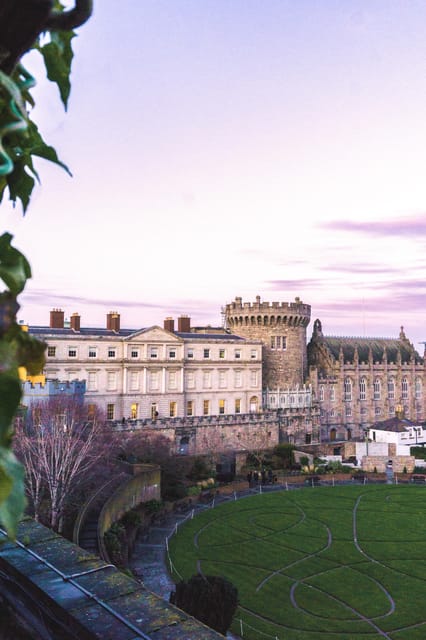
Next comes Ha’penny Bridge, followed by the bigger river-and-bridges theme tied to the Liffey and its bridges. This is where Dublin often wins people over, because the river gives you a visual reset. Buildings get reflected. Streets line up. The city suddenly looks like it has rhythm.
You are not going on a boat tour. This is a walking experience, and the value is in how the guide points out what the bridge and river tell you about Dublin’s geography and movement. A bridge is not just a photo spot, it is a piece of infrastructure that shaped where people walked, traded, and built.
If you like city design, this part is great. You get outdoor viewpoints and explanations without being stuck inside a building. And it is a good break in the route because you can look around instead of staring straight ahead.
Quick tip: bring a weather-appropriate layer. River areas can feel cooler than the streets inland, even when the rest of the city feels mild.
Temple Bar District, Irish spirit you can feel at street level

Then the tour moves toward the Temple Bar District. This section is about atmosphere as much as architecture. You’ll get the guide’s stories and significance for what you’re seeing, and you’ll experience why this area became a symbol for Irish social life.
I like that the tour doesn’t treat Temple Bar as a theme park. You get background that ties the street scene to what it represents, and you can see the cultural energy that people associate with Dublin. It’s not just “here’s where people go,” it’s “here’s why this matters.”
The main consideration is simple: this is a popular area. Even without assuming crowds, you should expect an active street vibe. If you need quiet for your brain to absorb history, take a breath when the group pauses for explanations.
Same city, a different sort of day out:
- Dublin to Cliffs of Moher, including Wild Atlantic Way and Galway
★ 5.0 · 23,331 reviews - From Dublin: Cliffs of Moher, Burren & Galway City Day Tour
★ 4.8 · 18,888 reviews - Dublin: Guinness Storehouse Entry Ticket
★ 4.6 · 16,863 reviews - Dublin to Cliffs of Moher, Burren, Wild Atlantic Way, Galway Tour
★ 5.0 · 12,924 reviews
Christchurch Cathedral, reading the city through its older core
From Temple Bar, the route heads toward the older religious center, including Christchurch Cathedral. This stop is valuable because it shifts you from street-level life to a more timeless Dublin feel. Even though you do not go inside, you still get the guided context that explains why this kind of building sits where it does and what it represents to the city.
I also like how this portion helps you “zoom out.” Earlier stops kept you in the flow of everyday Dublin. Here, the guide’s explanations make you look at the surrounding streets differently. You start noticing how older landmarks can make a modern city feel older, even when the streets change.
The outdoor-only approach is key. You’ll want to see the exterior, listen to the story, and keep moving. If you were hoping for a quiet interior moment, you’ll need to plan that separately.
Dublin Castle and the medieval Dublin layer
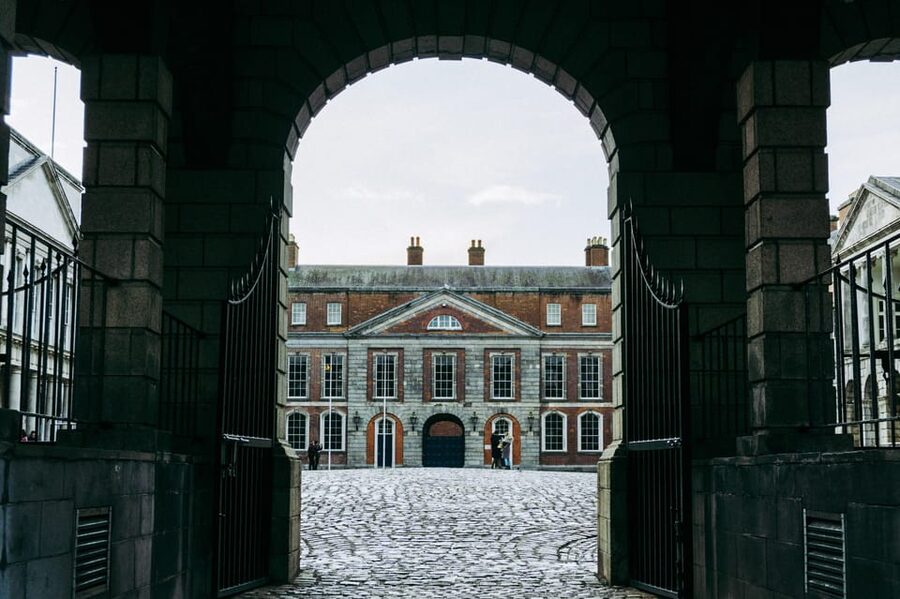
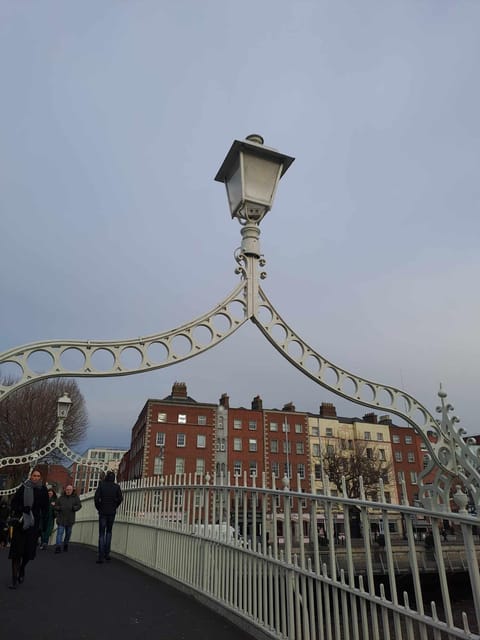
Next up is Dublin Castle / Medieval Dublin, which is one of the most dramatic stops on the route. This is where the guide connects the city’s physical landmarks to the idea of power, administration, and change over time.
What makes it work on a walking tour is the immediacy. You stand in the open air with a landmark that looks like it belongs in a different century, then you get the explanations that connect it to Dublin’s broader story. The tour stays outside, but you still get that “this is why people built here” understanding.
If you like history that feels relevant, this is a good part to ask questions. The guide style described in the tour feedback emphasizes answering lots of questions and taking time, which helps you get more out of big monuments like this.
A small practical note: castle grounds and nearby areas can involve uneven paving. Comfortable shoes really do matter here.
Guinness Heritage, when a brand becomes part of city identity
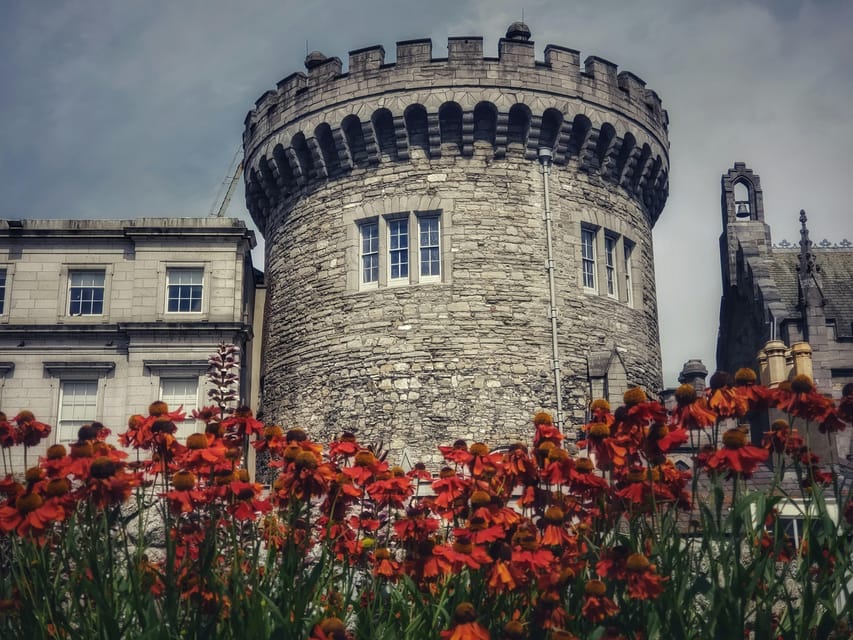
The route also includes Guinness Heritage. Since this is an outdoor walking tour, the main value is what your guide adds while you’re in the area. You’ll learn why Guinness became such a strong Dublin symbol and how that influence shows up in the city.
I like including something like this in a highlights tour. Pure “old stone” history can get heavy fast. A modern cultural icon like Guinness brings balance. You get a sense that Dublin’s identity is not only built from castles and cathedrals, it is also shaped by industry and everyday pride.
Because the tour keeps explanations focused on major buildings and city context, this stop works well even if you’re not a deep Guinness fan. Think of it as a doorway into understanding how Dublin celebrates itself.
St Patrick’s Cathedral, calm perspective after the big names
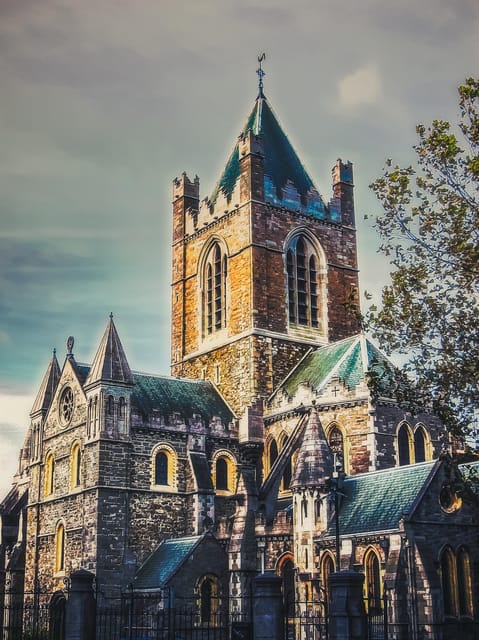
After the castle and major central landmarks, the walk heads to St Patrick’s Cathedral. The effect here is a shift in pace and mood. You’re still outdoors, still listening to the guide, but the cathedral setting tends to make you slow down, look up, and absorb the space.
What I appreciate is how this stop adds variety to the route. You’ve already seen Dublin through civic streets, bridges, and castle-era symbolism. St Patrick’s Cathedral helps round out the picture by adding a sense of solemn importance.
This is also a good place to stop asking your last-minute questions and just take a moment. The tour is 2 hours long, and you’ll want your brain fresh for the final push toward Trinity.
Trinity College finish, closing with Dublin’s academic heart
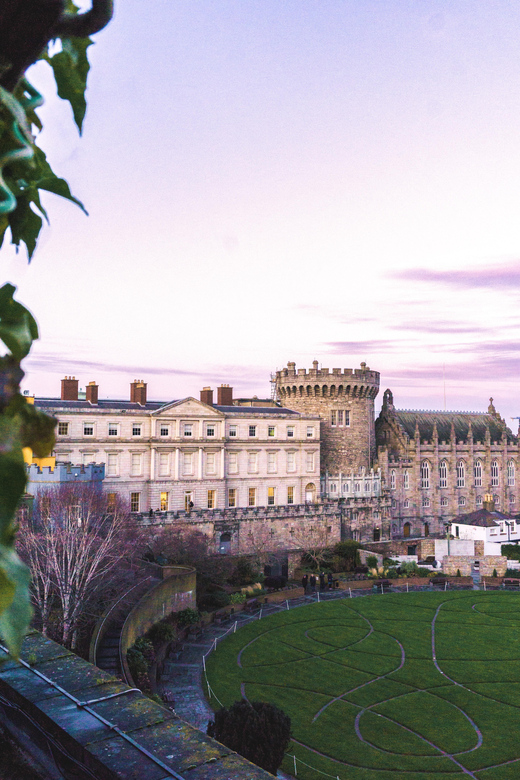
The tour finishes near Trinity College Dublin. This ending is smart, because it gives you a sense of Dublin as a place that thinks, teaches, and keeps moving forward.
Trinity College is one of the city’s most recognizable names, and finishing here helps your overall loop feel complete. You start with a modern Dublin marker (the Spire), and you end at a historic academic landmark. In between you’ve covered a mix of city power, social energy, faith landmarks, and cultural icons.
Even though the tour is outside-only, the ending still matters because it leaves you positioned to explore on your own afterward. If you want to linger, grab a coffee nearby, or connect this walk to a longer day plan, you have a solid base to start from.
The “top 10” value: what $54 buys in real life
At $54 per person for a roughly 2-hour guided walk, you’re paying for two things: a structured route and a live guide who explains what you’re seeing. For me, the best value in a tour like this is not that you get more sights. It’s that you understand the sights you choose not to skip.
When the tour includes multiple landmark types, you don’t waste time deciding what matters. You follow a path, then you can spend your free time afterwords choosing what to revisit.
Also, the guide language is French. That is a big factor in value. If you’re comfortable with French, you’ll probably get a lot more out of the explanations. If you’re not, you might still enjoy the visuals, but you’ll miss some of the story thread. If language is a concern, you should check what the experience offers and whether you can follow along comfortably.
The walking time is short enough to fit into almost any Dublin schedule. It is the kind of activity that helps you plan the rest of your day instead of stealing it.
How to get the most out of your 2 hours with MP Tour Guiding
This tour is designed to be paced. You get guided explanations for a set of landmarks, and you won’t be stuck waiting around inside buildings. That makes it a good choice when you want highlights without committing to a full museum day.
To get the most out of it, I suggest you do two simple things:
- Bring questions about what you’re seeing. Big monuments are easier to understand when you ask why they matter.
- Watch your footing. It is a city walk, not a park trail.
The tour feedback also points to guides who take time, answer lots of questions, and keep things fun. On tours where the guide talks and you never get to ask, you lose half the value. On this one, the dynamic is more interactive, and that’s a real reason to consider booking.
Who should book this Dublin highlights walk
This is a strong fit if you want:
- A fast overview of Dublin’s top icons in about 2 hours
- A guide-led story that connects buildings and streets
- An outdoor sightseeing plan that avoids interior visits
It may not be the best fit if you specifically want to enter major sites as part of the tour. The format focuses on explanations outside the buildings only. If you want cathedral interiors, castle areas inside, or museum entry as part of your paid time, plan those as add-ons.
It also fits well if you travel with mobility needs, since the experience is described as wheelchair accessible. Just remember you still need comfortable footwear for an outdoor walking route.
Should you book this Dublin Walking Tour?
If you want an efficient, guided introduction to Dublin’s most recognizable landmarks, I think this is a smart booking. The route is short, the guide experience is a big part of the value, and you finish near Trinity College, which sets you up for the next leg of your day.
I’d book it if you like learning from a live guide and you’re okay with an outdoor, outside-only format. I’d think twice if you strongly prefer interior access during the tour itself, or if French-only commentary would make the explanations feel out of reach.
FAQ
FAQ
How long is the Dublin highlights walking tour?
The tour duration is 2 hours.
Where does the tour start?
You meet at the foot of the Spire on the GPO side.
Is the tour inside buildings or outside only?
The explanations and information are provided outside, and you do not visit inside the buildings.
What language is the live guide?
The live tour guide speaks French.
Is the tour wheelchair accessible?
Yes, the activity is described as wheelchair accessible.
What should I bring for the walk?
Wear comfortable shoes and bring weather-appropriate clothing.
How much does it cost?
The price is $54 per person.
What is the cancellation policy?
You can cancel up to 24 hours in advance for a full refund.
Fresh options around Dublin
- Wicklow: Private Day Tour from Dublin★ 5.0 · 5 reviews
- Wicklow Mountains Private Day Tour including Glendalough★ 5.0 · 7 reviews
- Women Of Ireland: Trailblazers & Pioneers★ 5.0 · 4 reviews
- Wicklow Mountains & Glendalough Luxury Private Day Tour★ 5.0 · 23 reviews
- Wicklow tour of Glendalough★ 4.5 · 8 reviews
- Dublin To Kilkenny Castle Waterford Crystal Private Car – Day Tour★ 5.0 · 8 reviews
- Waterford Crystal and Kilkenny Full-Day Rail Tour from Dublin★ 5.0 · 3 reviews
- Full Day Private Wicklow Tour★ 5.0 · 12 reviews
Walking Tours, compared.
Dublin Highlights and Hidden Gems Guided Walking Tour
Read our review →

90 Minute Dublin Walking tour and Sightseeing tips
Read our review →

Historical 2-Hour Guided Walking Tour of Dublin
Read our review →
Dublin Traditional Irish 3 Course Meal Walking Tour with Local
Read our review →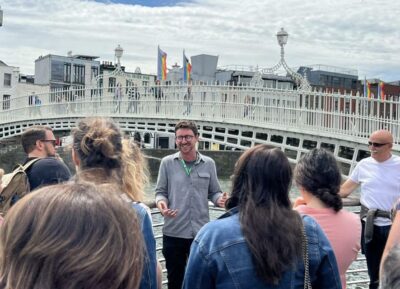
Browse the lists this tour appears in