
Reviewed · WALKING TOURS
Private Walking Tour in Dublin
If Dublin feels like a lot at once, this tour is a smart way to tame the chaos. It strings together major landmarks in a walkable loop, so you can get your bearings fast and understand how the city grew, rebelled, and rebuilt.
Two things I really like about it are the private format and the way the stops connect big Irish stories to real places. Your guide also has the freedom to steer the pace, and past guests mention that guides like Francesca (and also John, Sinead, and Yvonne) can answer questions and tailor the walk to what you care about.
One consideration: a few of the biggest sights charge entry, so you may spend extra if you want to go inside. Trinity College, the GPO Museum, Christ Church Cathedral, and Saint Patrick’s Cathedral are listed as admission not included.
Key things to know before your Dublin walk
- Private group, private pace: Only your group joins, so it feels less like a herd and more like a conversation with a local.
- A strong history thread: From Elizabethan-era Trinity to the 1916 Rising at the GPO to medieval cathedrals.
- Modern Dublin landmarks included: The Spire and Ha’penny Bridge balance the medieval stuff nicely.
- Free stops make the math easier: Several key moments are admission free, so you can spend your money where you want.
- A guide who can adapt: People specifically call out tailoring and good question answering.
- Weather matters: It requires good weather, and a bad day means a date change or refund.
Turning Dublin into a story, one stop at a time
This is a 2 to 3 hour private walking tour that starts at Trinity College Dublin on College Green and ends in front of the Molly Malone statue near Suffolk Street. That start and finish matter, because Trinity is a great “north star” for understanding the city’s geography, and Molly Malone is a fun, final pop of Dublin identity.
I like that the tour mixes eras instead of treating Dublin like a museum checklist. You’ll hit education and power, revolution and architecture, then finish in a lively part of town where the river-and-street energy is obvious.
More walking tours in Dublin:
- Dublin Highlights and Hidden Gems Guided Walking Tour
★ 5.0 · 6,020 reviews - Dublin: Highlights and Hidden Gems Walking Tour
★ 4.9 · 2,140 reviews - 1916 Rebellion Walking Tour
★ 5.0 · 1,605 reviews
Trinity College Dublin: why it feels like a city inside a city
Trinity College Dublin is where your guide sets the tone for the whole walk. Founded in 1592 from Queen Elizabeth I, it’s described as a city within the city, with more than 20,000 people working and studying.
This stop is also a handy orientation tool. You’ll learn why the university is so central to Dublin’s identity, and you’ll hear name-drops tied to Irish literature and theater, including Oscar Wilde, Bram Stoker, and Jonathan Swift.
Practical note: the tour lists about 20 minutes here, and it says admission ticket is not included. So you can still enjoy the setting from the outside, but if you want full interior access, plan on paying separately.
GPO Museum and the Easter Rising: bullet marks you can still see
Next up is the GPO Museum, in an elegant Georgian building tied directly to the 1916 Easter Rising. It’s presented as a symbol of freedom from the British Empire, and the tour highlights how Irish Volunteers and the Irish Citizen Army seized the building on Easter Monday.
The detail that makes this stop hit is the mention that bullet marks from the battle are still visible in the front pillars. That turns history from dates into physical evidence, right where you’re standing.
This is about 15 minutes, and again, the tour notes that admission ticket is not included. If you’re the type who likes to read and then look closely, this is a good place to decide whether going inside is worth it for you.
The Spire and Ha’penny Bridge: Dublin’s mix of old and new
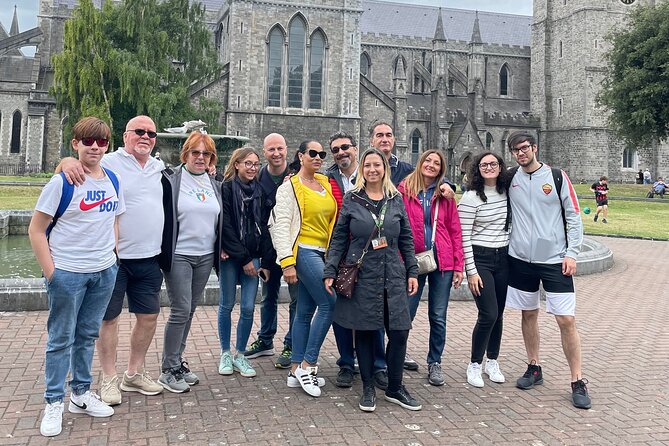
Dublin loves contrasts, and this part of the walk proves it quickly.
First comes the Spire, officially called the Monument of Light. It’s 120 metres tall, about 3 metres in diameter at the base, and it’s described as the tallest modern art monument in the world. It was built to celebrate the new millennium, so it’s a reminder that Dublin keeps building big statements, not just repeating old stories.
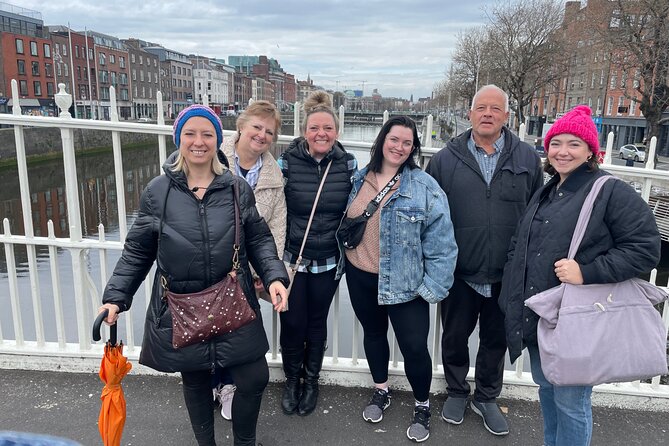
Then you’ll move to Ha’penny Bridge, officially named the Liffey Bridge, but famous as Ha’penny. The tour points out it was Dublin’s first pedestrian bridge and was built in 1816. The name makes sense if you think about history and tolls, with Ha’penny meaning half a penny, and the bridge being tall for more than 100 years.
Both stops are short, about 5 minutes each, and they’re listed as free. That means you’ll spend more time walking and listening than paying, which is exactly what you want on a guided loop.
A few more Dublin days worth comparing
- The Dublin Private Walking Tour
★ 5.0 · 701 reviews - Private Dublin Arrival Transfer – Airport to Hotel / Accommodation
★ 3.5 · 304 reviews - Private (Nearly!) All of Dublin in 5 hours (Walking Tour)
★ 5.0 · 281 reviews - Cliffs of Moher Private Award Winning Luxury Mercedes Car Tour
★ 5.0 · 176 reviews
Temple Bar, without needing to party: pubs, music, and food culture
Temple Bar is a magnet district, but this tour approaches it as a place to understand Dublin’s culture, not just bar hopping. You’ll explore the old neighborhood feel and stop to view famous pubs where traditional Irish music is played every night, plus areas tied to traditional Irish food.
This segment is about 15 minutes and listed as free. I’d treat it like a “taste the vibe” break. Even if you do not stop for a pint, you can still use the guide’s perspective to see why Temple Bar became shorthand for Dublin nightlife.
A practical consideration: Temple Bar can get crowded. Since this is a private tour, your guide can usually adjust how long you linger and where you stand, but you’ll still feel the foot traffic.
Wood Quay Amphitheatre: Viking Dublin, found under your feet
At the feet of the hill toward Christchurch, the walk turns archaeological. The tour spotlights the Wood Quay Amphitheatre and explains that archaeologists discovered the biggest Viking settlements outside Scandinavia.
The Vikings are described as starting out as marauders and traders, and then permanently settling in Dublin in 841 AD. That single date gives the whole story a backbone: Dublin didn’t just inherit trade routes, it grew from them.
This stop is about 15 minutes and admission free. It’s one of those moments where Dublin’s modern sidewalks feel like they sit on older lives. If you like “how did this place become this place” thinking, this part delivers.
Christ Church Cathedral: medieval layers and famous treasures
Christ Church Cathedral sits in the medieval district and is framed as a long-running spiritual home. The tour notes it was originally a Viking church and has welcomed pilgrims and visitors for almost 1,000 years.
You’ll also hear about named treasures connected to Irish history and English rule. The tour includes details like Strongbow’s tomb and a copy of the Magna Carta, which helps you connect Ireland to larger European political timelines.
Time here is about 15 minutes, and admission ticket is not included. If you want to step inside, it’s worth deciding early. With only a short window, you do not want to rush a place like this, so your guide can help you choose how much time to spend.
Saint Patrick’s Cathedral: where the story turns religious
Right after Christ Church, the walk goes to Saint Patrick’s Cathedral in the Liberties. The tour says the building was completed between 1225 and 1270 in honor of Ireland’s patron saint.
This stop has a narrative center: the tour highlights the idea that St. Patrick baptized Irish Gaelic people and helped convert them to Christianity. Whether you come as a history nerd or someone curious about spiritual heritage, that framing gives the cathedral more meaning than just stone and stained glass.
The tour also points to Jonathan Swift’s tomb. Like Christ Church, admission ticket is not included here, and you’ll have about 15 minutes.
Dublin Castle: the viceroy seat and the 700-year headline
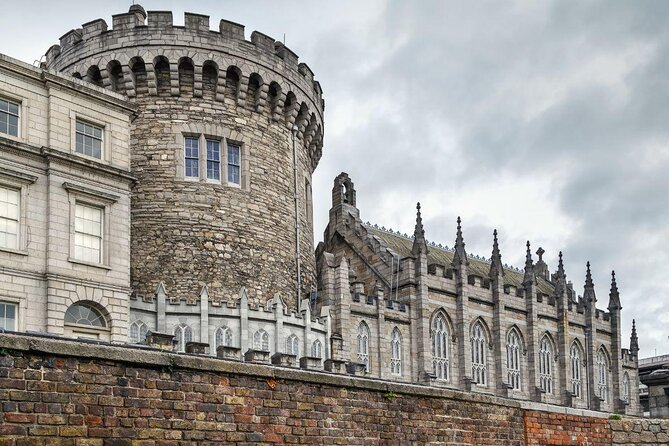
Dublin Castle is where the tour connects architecture to power. The castle is described as the seat of the viceroy, the English monarch’s representative in Ireland, from which England ruled Ireland for more than 700 years.
The guide’s key detail is the Record Tower, listed as the only remaining piece of the original medieval castle. The rest of what you see is tied to later rebuilding, with State Apartments built in the 18th century.
This is your about 20 minutes stop, and admission ticket is not included. I like how this fits the revolution theme from the GPO Museum. You go from fighting the system to understanding how the system worked in daily life.
George’s Street Arcade and Molly Malone: a quick hit of Dublin charm
After the heavy history, the tour shifts to lighter, human-scale landmarks.
George’s Street Arcade is described as Dublin’s oldest shopping centre, housed in Victorian era architecture. The tour says the arcade has been open for almost 140 years as part of the South city market buildings. It’s a great break from open streets, and it helps you see Dublin’s design sense beyond grand monuments.
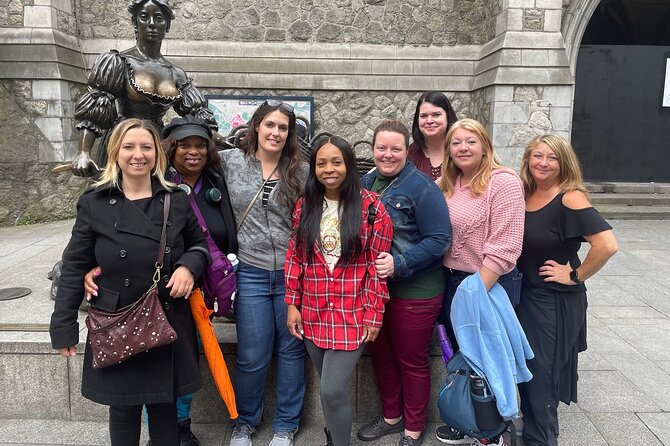
Then you finish at the Molly Malone statue. This popular figure was unveiled in 1988 to celebrate Dublin city’s first millennium. The statue ties to the famous song “Molly Malone,” treated as the unofficial Dublin anthem by the tour.
The story includes a fun uncertainty: we do not know if Molly Malone ever existed. One theory suggests she may have been based on a real woman who died in Dublin in 1699.
Molly Malone is a short, about 5 minutes stop, and it’s free. Ending here feels right because it’s both playful and quietly cultural.
Why the private guide can matter more than the checklist
The itinerary is packed, but the real difference is the guide. This is a private tour, so your pace is yours, and you can ask questions without watching the whole group tug at you.
A theme that comes through in the way guides have worked with guests is adaptability. Sinead is specifically described as tailoring the tour around what people wanted, and John is described as very knowledgeable and able to answer questions. Francesca is noted for giving a great lay of the land plus strong later recommendations, and Yvonne is praised for being accommodating and good with children.
If you have kids, this matters. One family experience mentions accommodating two children aged 6 and 8, and that’s exactly the kind of scenario where a flexible guide makes the difference between a long slog and a fun, fast-moving walk.
Price and value: what $90.11 buys you in real terms
At $90.11 per person, this is not a budget street-walk. But you are paying for time, local context, and the convenience of someone handling the order and narrative of the day.
Here’s the value math I’d use:
- Many stops are free to visit, including the Spire (admission free), Ha’penny Bridge (free), Temple Bar area (free), Wood Quay Amphitheatre (free), George’s Street Arcade (free), and Molly Malone (free).
- A few major stops list admission not included, including Trinity College Dublin, GPO Museum, Christ Church Cathedral, and Saint Patrick’s Cathedral.
So the tour cost covers the guided experience and the entry costs are optional. If you plan to go inside only one or two paid sites, the overall day stays reasonable. If you want all entrances, expect your total to rise.
Also, the tour includes a mobile ticket and is offered in English, which helps you avoid ticket chaos on the day.
Getting ready for the walk: timing, comfort, and how to make it pay off
You can expect about 2 to 3 hours on foot. That’s long enough to connect the story arcs, but not so long that you need to treat it like a hike.
Wear comfortable shoes. Dublin sidewalks can be uneven, and you’ll be stopping often, so you’ll want footing you trust. Bring a light layer too. The weather note is clear: the tour requires good weather.
If you’re the kind of traveler who likes to do your own follow-up research, use the walk to set priorities. Your guide’s job here is to help you decide what is worth your time afterward, including where to eat and what to see next.
Who should book this tour, and who might skip it
This works best for you if you want:
- a guided overview that ties places to events,
- a route that covers both historic Dublin and recognizable landmarks,
- a private pace, especially if your group includes kids or anyone who needs frequent questions answered.
You might skip it if:
- you prefer to roam without structure and you already know Dublin deeply,
- you plan to spend most of your time inside paid sites and want a longer ticket-based schedule.
For most first timers, though, this is a strong way to get oriented and leave with names, dates, and a sense of what to explore next.
Should you book this private walking tour of Dublin?
Yes, if you want a well-paced, story-driven loop that shows you Dublin’s key landmarks without making you feel lost. The best part is the guided thread, because it turns Trinity, the GPO, and the cathedrals into connected chapters, not disconnected stops.
Book it especially if you care about history but do not want to drown in museum time. And if you do want to pay for entries, this format still lets you choose which ones matter most to you.
FAQ
What is the duration of the Private Walking Tour in Dublin?
The tour lasts about 2 to 3 hours.
How much does the tour cost?
The price is $90.11 per person.
Is this tour private or shared?
It is a private tour, meaning only your group participates.
What language is the tour offered in?
The tour is offered in English.
Where does the tour start and end?
It starts at Trinity College Dublin, College Green, Dublin 2, Ireland and ends in front of the Molly Malone statue on Suffolk St, Dublin 2.
Are attraction tickets included?
Admission is listed as not included for Trinity College Dublin, the GPO Museum, Christ Church Cathedral, and Saint Patrick’s Cathedral. The Spire and the Ha’penny Bridge are listed as free, and several other stops are listed as admission free.
Is there a mobile ticket?
Yes. The tour includes a mobile ticket.
What if the weather is bad?
This experience requires good weather. If it is canceled due to poor weather, you will be offered a different date or a full refund.
How does confirmation work after booking?
Confirmation is received at the time of booking, unless you book within 12 hours of travel. In that case, confirmation is received as soon as possible, subject to availability.
Is a service animal allowed?
Yes, service animals are allowed. The tour also notes that most travelers can participate.
Fresh options around Dublin
- Wicklow: Private Day Tour from Dublin★ 5.0 · 5 reviews
- Wicklow Mountains Private Day Tour including Glendalough★ 5.0 · 7 reviews
- Women Of Ireland: Trailblazers & Pioneers★ 5.0 · 4 reviews
- Wicklow Mountains & Glendalough Luxury Private Day Tour★ 5.0 · 23 reviews
- Wicklow tour of Glendalough★ 4.5 · 8 reviews
- Dublin To Kilkenny Castle Waterford Crystal Private Car – Day Tour★ 5.0 · 8 reviews
- Waterford Crystal and Kilkenny Full-Day Rail Tour from Dublin★ 5.0 · 3 reviews
- Full Day Private Wicklow Tour★ 5.0 · 12 reviews
Walking Tours, compared.
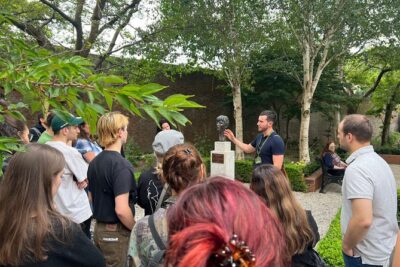
Dublin Highlights and Hidden Gems Guided Walking Tour
Read our review →

90 Minute Dublin Walking tour and Sightseeing tips
Read our review →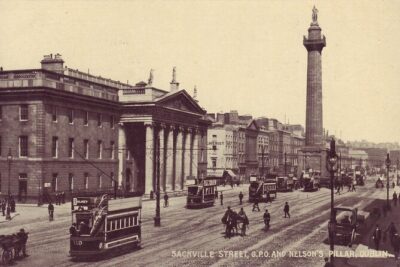

Historical 2-Hour Guided Walking Tour of Dublin
Read our review →
Dublin Traditional Irish 3 Course Meal Walking Tour with Local
Read our review →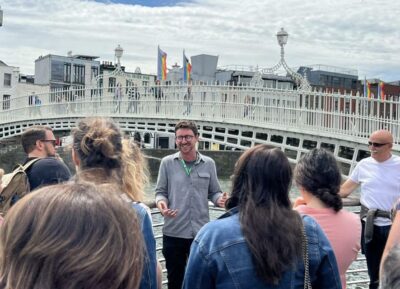
Browse the lists this tour appears in